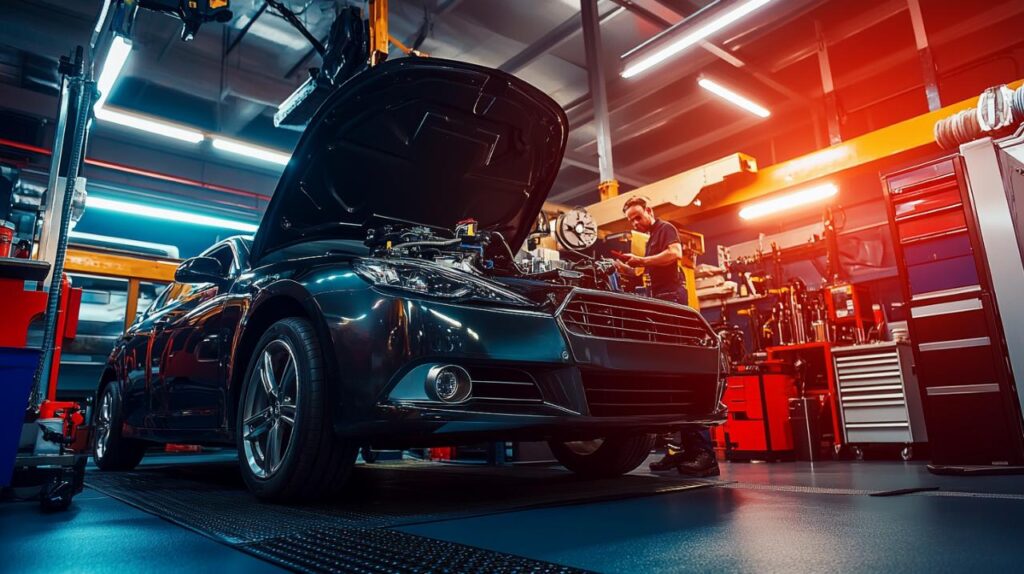
Keeping your motor running smoothly requires more than just filling up with petrol and hoping for the best. A well-maintained vehicle not only ensures safety on the road but also helps preserve its value and prevents costly repairs down the line. Understanding the fundamentals of vehicle upkeep empowers drivers to take control of their motoring experience, whether through hands-on involvement or informed decision-making when visiting a professional garage.
Regular servicing and fluid checks
Understanding your service schedule
Adhering to a consistent service schedule forms the backbone of effective vehicle care. Most manufacturers recommend a full service at least once a year or every twelve thousand miles, whichever milestone arrives first. This routine inspection allows trained technicians to identify potential problems before they escalate into serious mechanical failures. For those with vehicles over three years old, the annual MOT test becomes a legal requirement in the United Kingdom, serving as an essential safety checkpoint that examines everything from emissions to structural integrity. Combining your MOT with a comprehensive service ensures that your car receives thorough attention and helps catch issues early, potentially saving considerable expense in the long run. Following car maintenance tips diligently means respecting these intervals rather than postponing them until dashboard warning lights begin to illuminate.
Monitoring engine oil and coolant levels
Engine oil serves as the lifeblood of your vehicle, lubricating moving parts and preventing excessive wear. Checking oil levels regularly and changing the oil according to manufacturer guidelines keeps the engine running efficiently. The process involves warming the engine briefly, safely jacking up the car, draining the old oil into an appropriate tray, and refilling with fresh oil to the correct specification. Recycling the used oil through a government-approved facility ensures environmental responsibility. Equally important is maintaining proper coolant levels, typically requiring a fifty-fifty mixture of water and coolant to prevent overheating and protect against freezing temperatures. Topping up screen wash, brake fluid, and engine coolant should become routine checks, especially before long journeys. Neglecting these fluids can lead to serious mechanical problems, including engine overheating or brake failure, making regular monitoring a non-negotiable aspect of responsible vehicle ownership.
Tyre care and safety inspections
Maintaining proper tyre pressure and tread depth
Tyres represent the only contact point between your vehicle and the road surface, making their condition paramount for safety. Checking tyre pressure monthly ensures optimal fuel efficiency and handling characteristics while preventing uneven wear patterns. The legal minimum tread depth in the United Kingdom stands at one point six millimetres, but many experts recommend replacing tyres before reaching this threshold to maintain adequate grip in wet conditions. Visual inspections should look for cuts, bulges, or embedded objects that could compromise structural integrity. Properly inflated tyres with sufficient tread depth not only enhance safety but also contribute to improved fuel economy, reducing running costs over time. Rotating tyres according to manufacturer recommendations helps distribute wear evenly across all four corners, extending their overall lifespan and maintaining balanced handling characteristics.
Checking brakes and lights regularly
Brake systems demand particular attention given their critical role in vehicle safety. Listening for unusual noises such as squealing or grinding, feeling for vibrations through the pedal, and monitoring the brake fluid level helps identify potential issues before they become dangerous. While brake work typically requires professional expertise due to the precision and safety implications involved, being alert to warning signs enables prompt action. Testing all exterior lights regularly, including headlights, brake lights, indicators, and fog lights, ensures visibility to other road users and compliance with legal requirements. Replacing blown bulbs promptly prevents potential accidents and avoids penalties during MOT tests. Keeping windscreens clean and washer fluid topped up maintains clear visibility in all weather conditions. Regular washing of the entire vehicle not only preserves its appearance but also prevents rust formation by removing salt and road grime, particularly important during winter months when de-icing treatments coat British roads.