
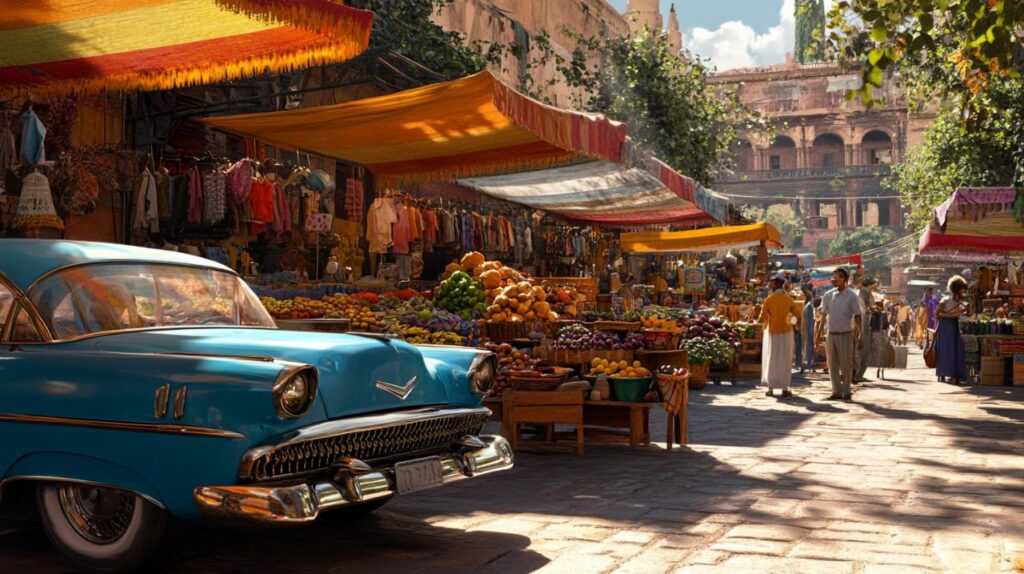
London’s vibrant marketplace scene offers an extraordinary tapestry of flavours, crafts, and cultural experiences that reflect the city’s diverse character. From the historic Borough Market to the bustling weekend bazaars dotted across the capital’s varied neighbourhoods, these trading hubs provide more than just a shopping opportunity. They serve as communal gathering spaces where locals and visitors alike can discover artisan goods, sample international street food, and immerse themselves in the authentic spirit of the city. Navigating these bustling venues requires a bit of insider knowledge to make the most of your visit, whether you’re hunting for fresh produce, unique vintage finds, or simply soaking up the lively atmosphere.
Essential shopping strategies for london’s borough markets
Successfully exploring the great local markets begins with understanding the rhythm and flow of these dynamic spaces. Each market has its own personality and peak times, and knowing when to arrive can make all the difference between a leisurely browse and a frustrating scrum. The art of market shopping lies not only in finding quality goods but also in mastering the timing and tactics that seasoned shoppers employ. London’s markets have evolved over centuries, much like traditional markets around the world that have existed since ancient times, serving as essential hubs for trade and social exchange. Today’s markets blend this historical legacy with contemporary demands, creating spaces that honour tradition while embracing modern sustainability practices.
Timing your visit: early birds and late bargains
Arriving at the crack of dawn offers distinct advantages for the dedicated market enthusiast. Many vendors begin setting up their stalls in the early morning hours, and those who arrive before the crowds can enjoy a more relaxed atmosphere and first pick of the freshest produce. Borough Market, for instance, comes alive well before most shops open their doors, with traders arranging their displays of artisan cheeses, freshly baked bread, and seasonal vegetables. The early hours also provide opportunities to chat with vendors who have more time to share their knowledge about products and preparation tips. This approach mirrors the practice recommended at renowned markets worldwide, such as La Boqueria in Barcelona, which dates back to 1217 and welcomes its most discerning customers when it opens at eight in the morning. Similarly, those visiting Tokyo’s famous Tsukiji Fish Market are advised to arrive before nine to witness the incredible array of seafood at its freshest.
For those who prefer a more leisurely start to their day, the late afternoon presents another strategic window. As closing time approaches, many vendors become more willing to negotiate prices on perishable goods rather than pack them away. This is particularly true for flower sellers at Columbia Road Flower Market, where the final hour often sees dramatic price reductions. The late shopping strategy can yield excellent bargains on everything from bouquets to potted plants, though selection naturally diminishes as the day progresses. The same principle applies to food vendors who would rather sell their remaining stock at reduced prices than transport it back. This pattern of late bargains can be observed across markets globally, from the evening hours at the Souks of Marrakech, which boast over three thousand stalls and more than a millennium of trading history, to the closing moments at St. George’s Market in Belfast, which has operated since 1890 and runs themed events every Friday, Saturday, and Sunday.
Navigating Crowds and Securing the Best Deals
Managing the human traffic at popular markets requires both patience and strategy. Weekends naturally draw larger crowds, particularly at destinations like Borough Market, which can become quite congested between late morning and mid-afternoon. Savvy shoppers often adopt a reconnaissance approach, making an initial circuit to survey offerings before committing to purchases. This method prevents impulse buying and allows for price comparisons between different vendors selling similar products. Walking against the flow of foot traffic, when possible, can also help avoid bottlenecks at particularly popular stalls. It’s worth noting that some markets, such as Chatuchak Weekend Market in Bangkok, manage to accommodate enormous numbers of visitors, with over two hundred thousand people navigating more than fifteen thousand stalls each week, demonstrating that even the most crowded venues can be successfully explored with the right approach.
Developing rapport with regular vendors can unlock access to better quality products and insider information about upcoming seasonal offerings. Many market traders appreciate customers who show genuine interest in their craft, whether it’s a cheese monger explaining the ageing process or a fishmonger recommending the catch of the day. This relationship-building aspect of market shopping harks back to the fundamental purpose of these spaces as social as well as commercial venues. Carrying cash remains important despite the increasing prevalence of card readers, as some smaller vendors still operate on a cash-only basis, and having exact change can speed up transactions during busy periods. While exploring these vibrant spaces, it’s prudent to remain aware of your belongings, as crowded environments can occasionally attract those with less honest intentions, much like visitors to Ver-o-Peso in Brazil or the Souks of Marrakech are advised to guard against pickpockets while enjoying the sensory overload of these magnificent trading centres.
London’s hidden gem markets you simply cannot miss
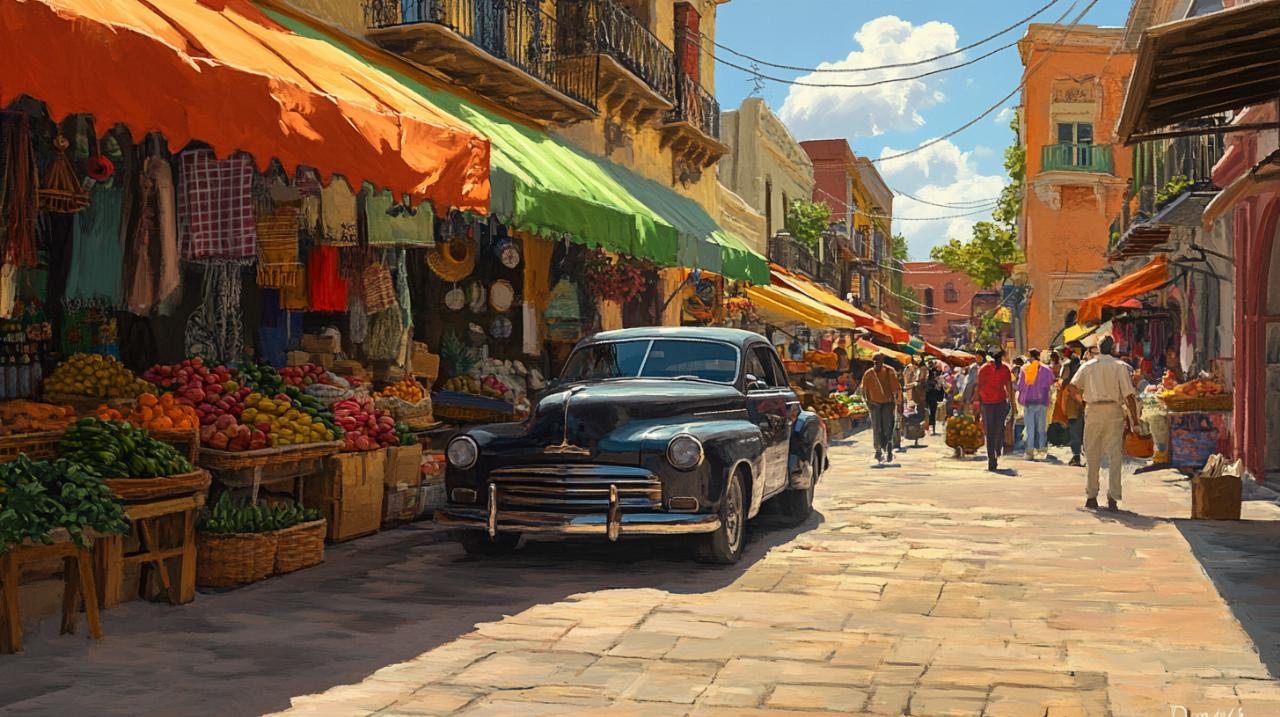
Beyond the well-trodden paths of the capital’s most famous markets lie smaller, equally captivating venues that offer distinctive experiences and exceptional finds. These lesser-known spots often provide a more intimate shopping environment where the community atmosphere feels palpable and authentic. Discovering these hidden gems requires venturing into different neighbourhoods, but the rewards include unique products, better prices, and encounters with passionate traders who pour their hearts into their offerings.
East end treasures: columbia road and broadway market
Columbia Road Flower Market transforms a narrow East End street into a riot of colour and fragrance every Sunday morning. This beloved institution has been operating for well over a century, drawing gardeners, decorators, and flower enthusiasts from across London and beyond. The market’s compact layout means that dozens of plant stalls line both sides of the street, creating a verdant corridor where the calls of vendors advertising their wares blend with the chatter of customers deliberating over orchids, succulents, and seasonal blooms. The surrounding independent shops, many selling vintage homewares, antiques, and artisan goods, open specifically for market day, adding another layer of discovery to the experience. Arriving early ensures the widest selection, though the aforementioned late-afternoon bargains can be spectacular for those willing to gamble on availability.
Just a short walk away, Broadway Market offers a different but equally compelling experience on Saturdays. Stretching along a historic street in Hackney, this market combines food stalls offering everything from Venezuelan arepas to traditional British pies with vendors selling vintage clothing, records, and handmade jewellery. The market has evolved significantly over recent years, reflecting the neighbourhood’s transformation while maintaining its community focus. Local residents do their weekly shopping here, creating an authentic atmosphere that contrasts with more tourist-oriented venues. The cafes and bakeries that line the street provide perfect spots to rest between browsing sessions, and many offer outdoor seating that allows you to watch the market’s ebb and flow while enjoying a flat white and pastry. This blend of food, crafts, and community mirrors the multifaceted nature of traditional markets worldwide, from the Grand Bazaar in Istanbul, which sprawls across sixty-one streets with over four thousand stalls and welcomed ninety-one million visitors in 2014, to the more intimate Le Condamine Market in Monaco, which dates back to 1880 and hosts around twenty traders in a beautifully renovated space.
South london’s finest: brixton and maltby street market
Brixton Market stands as a testament to London’s multicultural heritage, offering an unparalleled array of Afro-Caribbean produce, spices, and ingredients that reflect the community’s rich cultural tapestry. The market actually comprises several interconnected areas, including covered arcades and the famous Brixton Village, where permanent shops and pop-up food stalls create a labyrinthine experience. Here you can find everything from fresh plantains and exotic fish to specialist hair products and traditional African fabrics. The atmosphere buzzes with energy, particularly during weekend afternoons when the area fills with families doing their weekly shopping and young Londoners seeking out the latest street food sensation. The market’s evolution demonstrates how these spaces adapt to changing demographics while preserving their essential character as community anchors. Evening visits reveal yet another dimension, as many of Brixton Village’s restaurants and bars come alive, transforming the market into a dining and entertainment destination.
Maltby Street Market represents a more recent addition to London’s market scene but has quickly established itself as a destination for serious food lovers. Tucked beneath railway arches in Bermondsey, this market operates primarily on weekends and focuses heavily on artisan producers and quality street food. The relatively small scale creates an intimate atmosphere, though popularity has inevitably led to increased crowding during peak hours. Vendors here often source ingredients with exceptional care, whether it’s a coffee roaster explaining the provenance of their beans or a cheese merchant offering samples of unpasteurized British varieties. The market’s location in a traditionally industrial area adds to its distinctive character, with the rumble of trains overhead providing a rhythmic soundtrack to the proceedings. This commitment to quality and authenticity in a unique setting echoes the appeal of specialist markets globally, from the Spice Bazaar in Istanbul, renowned for its herbs, teas, and traditional remedies, to Chandni Chowk in Delhi, where visitors can explore streets filled with spices, street food, and artisan products that showcase India’s rich culinary heritage.