
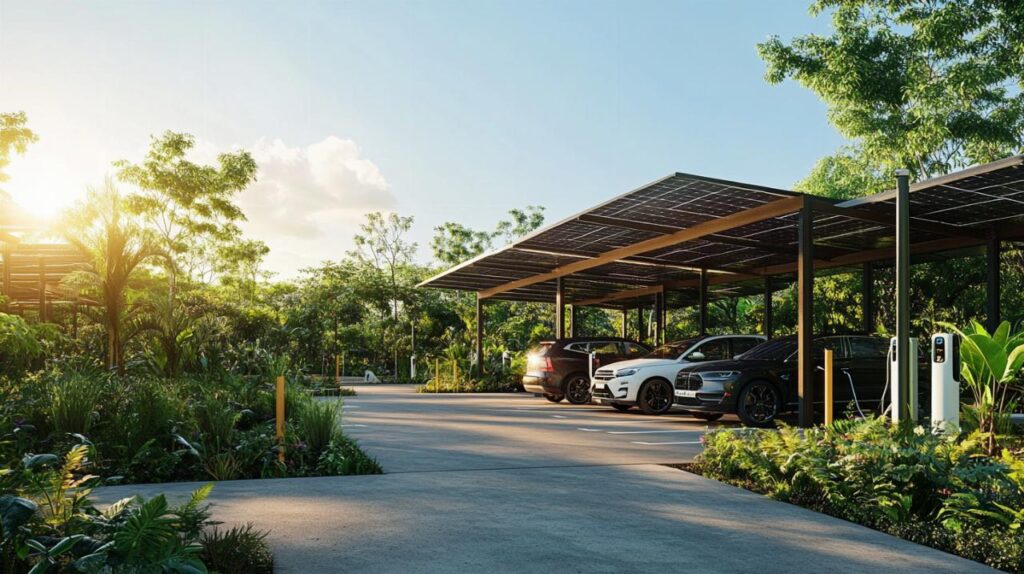
As urban centres across the United Kingdom grapple with the dual challenges of rising energy demands and mounting environmental concerns, the transformation of traditional car parks into multifunctional, eco-responsible spaces has emerged as a compelling solution. By harnessing solar power and integrating sustainable design principles, parking facilities are evolving from mere storage areas for vehicles into dynamic hubs of renewable energy generation and ecological stewardship. This shift not only addresses the urgent need to reduce carbon footprints but also aligns with broader urban planning goals that prioritise community wellbeing and climate resilience.
Transforming traditional car parks into sustainable spaces through solar integration
The concept of installing solar panels atop car park structures represents a significant leap forward in the quest for renewable energy sources within densely populated areas. Across the United Kingdom, innovative projects are demonstrating that these installations can deliver substantial environmental and economic benefits. The average cost for installing ten solar panels hovers around seven thousand eight hundred and sixty pounds, yet when scaled up to cover a multi-storey car park spanning two thousand square metres, the initial investment can range from three hundred and ninety-three thousand to five hundred and fifty thousand pounds. While these figures may appear daunting, the long-term advantages in terms of energy cost reduction and greenhouse gas mitigation are considerable.
The Role of Photovoltaic Canopies in Modern Parking Infrastructure
Photovoltaic canopies have become a cornerstone of modern parking infrastructure, offering a dual function that marries practicality with sustainability. These structures not only generate clean electricity but also provide shade and protection for vehicles parked beneath them, thereby enhancing the overall user experience. In the United Kingdom, notable installations such as the solar carport at Bentley Motors and the BBC Glasgow facility exemplify how car park roofs can be repurposed to support renewable energy ambitions. By efficiently utilising space that would otherwise remain underutilised, these canopies contribute to a more responsible use of urban land. Moreover, the electricity generated can be fed directly into the grid or stored in solar batteries, ensuring that surplus energy is not wasted and can be deployed during periods of peak demand or inclement weather.
Combining electric vehicle charging stations with renewable energy generation
The rise of electric vehicles has created a pressing need for accessible charging infrastructure, and integrating these facilities within solar-powered car parks offers a synergistic approach to meeting this demand. By pairing photovoltaic panels with electric vehicle charging stations, parking facilities can provide drivers with a green alternative to conventional fossil fuel sources. This combination not only reduces reliance on the national grid but also ensures that the energy used to power vehicles is derived from sustainable sources. As more motorists transition to electric cars, the presence of solar carports equipped with charging points will become an increasingly attractive feature, encouraging further adoption of eco-friendly transport options. In addition, the financial incentives associated with renewable energy generation, such as grants and subsidies, can help offset the initial investment costs and make these installations more accessible to both public and private sector stakeholders.
Ecological management strategies for climate-resilient parking areas
Beyond the installation of solar panels, a comprehensive approach to sustainable parking infrastructure must also address broader ecological management strategies. Climate resilience is a growing concern for urban planners, particularly as extreme weather events become more frequent. By incorporating features such as permeable surfaces, grassed slabs, and rainwater harvesting systems, car parks can play a vital role in mitigating the impacts of heavy rainfall and reducing the urban heat island effect. These measures not only enhance the environmental performance of parking facilities but also contribute to the creation of more liveable and attractive urban spaces.
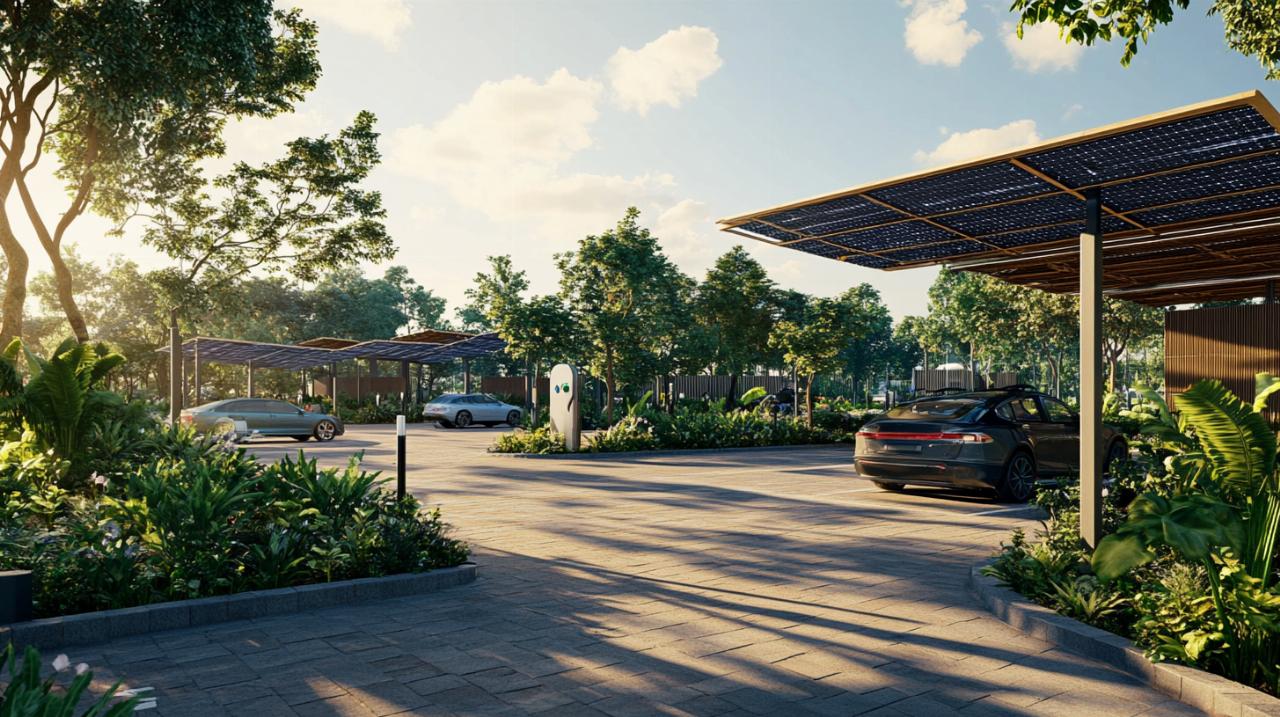
Implementing Permeable Surfaces and Grassed Slabs for Natural Water Infiltration
Traditional asphalt and concrete surfaces are notorious for their impermeability, which can lead to rapid runoff and increased pressure on drainage systems during heavy rainfall. In contrast, permeable surfaces and grassed slabs allow water to infiltrate naturally into the ground, thereby reducing the risk of flooding and replenishing local aquifers. These solutions are particularly effective in urban areas where green spaces are limited and the demand for sustainable water management is high. By allowing rainwater to percolate through the surface layers, grassed slabs also support the growth of vegetation, which in turn helps to filter pollutants and improve soil quality. This approach not only addresses immediate drainage concerns but also fosters a more resilient ecosystem that can adapt to changing climatic conditions. The integration of such features into car park design represents a forward-thinking strategy that balances functionality with environmental responsibility.
Rainwater Harvesting Systems and Their Benefits for Sustainable Park Management
Rainwater harvesting systems offer another layer of ecological management by capturing and storing precipitation for later use. In the context of car parks, this can involve the installation of collection tanks and filtration mechanisms that channel runoff from roofs and permeable surfaces. The harvested water can then be used for a variety of purposes, including irrigation of surrounding green spaces, cleaning of vehicles, or even as a supplementary supply for adjacent facilities. This approach not only reduces the demand on municipal water supplies but also minimises the volume of stormwater entering drainage networks, thereby alleviating pressure on ageing infrastructure. As climate patterns continue to shift and water scarcity becomes a more pressing issue, the ability to capture and utilise rainwater within urban environments will prove increasingly valuable. The implementation of these systems in car parks underscores a commitment to sustainable resource management and demonstrates how everyday infrastructure can be reimagined to support broader environmental goals.
Urban Planning Revolution: Creating Green Islands and Reducing Emissions in City Centre Parking
The transformation of car parks into green islands within urban centres represents a broader revolution in urban planning, one that prioritises ecological health and community wellbeing alongside economic efficiency. As cities across the United Kingdom and beyond seek to reduce their carbon footprints and improve air quality, the role of parking infrastructure as a potential site for environmental innovation cannot be overstated. By integrating vegetated canopies, renewable energy systems, and climate-responsive design features, car parks can contribute to a more sustainable urban fabric that benefits residents, businesses, and the natural environment alike.
Vegetated Canopies and Their Impact on Air Quality and Urban Heat Reduction
Vegetated canopies, which combine greenery with structural elements, offer a powerful means of mitigating some of the most pressing environmental challenges facing modern cities. By incorporating plants into the design of parking facilities, these canopies can help to filter airborne pollutants, absorb carbon dioxide, and release oxygen, thereby improving local air quality. Additionally, the presence of vegetation has been shown to reduce ambient temperatures through the process of evapotranspiration, which can significantly alleviate the urban heat island effect that plagues many densely built-up areas. This cooling effect not only enhances the comfort of those using the car park but also reduces the energy required for air conditioning in nearby buildings. Furthermore, vegetated canopies provide habitat for insects and birds, contributing to urban biodiversity and fostering a greater connection between city dwellers and the natural world. As urban planners and developers embrace these green solutions, the potential for car parks to serve as multifunctional spaces that support both human and ecological health becomes increasingly apparent.
Aligning Car Park Design with Future Environmental Regulations and Community Wellbeing
Looking ahead, the design and management of car parks will need to align with evolving environmental regulations and the expectations of communities that are increasingly attuned to sustainability issues. Internationally, mandates such as France's requirement for solar panel installation on large car parks signal a growing recognition of the role that infrastructure can play in the transition to renewable energy. In the United Kingdom, similar trends are emerging as local authorities and private developers seek to future-proof their investments and meet ambitious climate targets. By prioritising features such as renewable energy generation, ecological water management, and the creation of green spaces, car park projects can not only comply with regulatory requirements but also enhance the overall quality of urban life. The integration of electric vehicle charging stations, solar carports, and permeable surfaces reflects a holistic approach to design that considers long-term environmental impact alongside immediate functional needs. As public awareness of climate change continues to grow, the demand for eco-responsible parking solutions will only intensify, making it imperative for planners and policymakers to embrace innovative strategies that transform car parks into exemplars of sustainable urban infrastructure.