When your vehicle begins to exhibit unusual behaviour such as difficulty getting started or a noticeable drop in power, the culprit might be hiding within the fuel delivery system. Understanding how to identify these issues and knowing your options for replacement components can save you time, money, and frustration. Whether you drive a petrol, diesel, or hybrid vehicle, recognising the early warning signs and understanding the differences between original equipment manufacturer parts and aftermarket alternatives is essential for maintaining reliable performance.
Recognising the warning signs: is your fuel delivery system failing?
Modern vehicles rely on a complex network of components to deliver fuel efficiently from the tank to the engine. When any part of this system begins to deteriorate, the effects can manifest in several ways. One of the most common indicators is difficulty starting the engine, particularly after the vehicle has been sitting for a while. If you find yourself turning the key multiple times before the engine catches, this could be an early signal that the fuel delivery mechanism is struggling to maintain adequate pressure. Another telltale sign is sputtering during acceleration or when the vehicle is under load, which suggests that fuel is not reaching the combustion chamber in a consistent manner.
Common Symptoms That Indicate Pump Deterioration in Petrol and Diesel Vehicles
Power loss is another symptom that should not be ignored. If your car feels sluggish or fails to respond as it once did, especially when climbing hills or overtaking, the issue might stem from insufficient fuel pressure. Poor fuel economy can also be a sign of trouble, as a failing component may cause the engine to work harder to maintain performance, thereby consuming more fuel than usual. Unusual noises, such as whining or buzzing from the rear of the vehicle, are often associated with a struggling pump that is nearing the end of its service life. These sounds indicate that the internal components are wearing out and may soon fail completely.
In diesel engines, the symptoms can be slightly different but equally concerning. Diesel systems operate under higher pressures and are more sensitive to contamination, so any degradation in the fuel delivery system can lead to hard starting, loss of power, and increased emissions. Additionally, diesel vehicles may experience rough idling or a noticeable drop in performance during cold weather, which can be exacerbated by a failing pump or related components.
Understanding the Role of the Fuel Relay in Modern Vehicle Operation
The fuel relay plays a crucial role in the overall operation of the fuel delivery system. This small electrical component controls the power supply to the pump, ensuring that it receives the correct voltage to operate efficiently. When the ignition is turned on, the relay activates and sends power to the pump, which in turn pressurises the fuel line. If the relay is faulty or has developed poor connections, it can cause intermittent starting issues or complete failure of the pump to engage. Diagnosing relay problems typically involves checking for voltage at the relay socket and ensuring that the relay itself is functioning correctly. A malfunctioning relay can mimic the symptoms of a failing pump, so it is important to rule out electrical issues before committing to a replacement.
Diagnostic Procedures: Pinpointing the Source of Power Loss and Running Troubles
Accurate diagnosis is the first step towards resolving any vehicle performance issue. Before replacing any components, it is essential to confirm that the fuel delivery system is indeed the source of the problem. This process involves a combination of visual inspections, electrical tests, and pressure measurements. By systematically checking each element of the system, you can avoid unnecessary expenses and ensure that the correct part is replaced.
Step-by-Step Methods for Testing Fuel Pressure and Electrical Circuits
Testing fuel pressure is one of the most definitive ways to determine whether the pump is functioning correctly. This procedure requires a fuel pressure gauge, which is connected to the fuel rail or test port. With the engine running, the gauge will display the current pressure in the system. Most manufacturers provide specifications for the expected pressure range, and any significant deviation from these values indicates a problem. Low pressure typically points to a failing pump or a clogged filter, while excessively high pressure may suggest a faulty regulator.
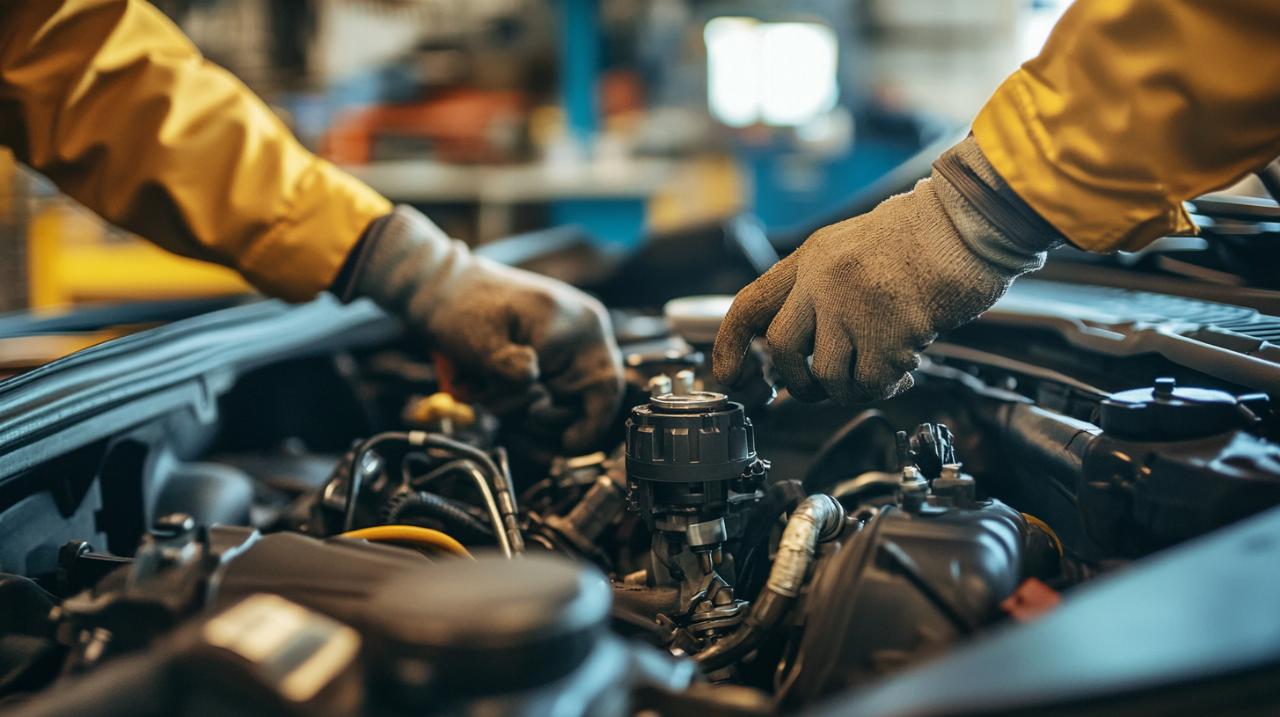
Electrical testing is equally important, as many fuel delivery issues are caused by wiring problems or faulty connectors. Begin by inspecting the electrical connectors at the pump for signs of corrosion, damage, or loose connections. Using a multimeter, check for voltage at the pump when the ignition is turned on. If voltage is present but the pump does not operate, the pump itself is likely at fault. Conversely, if no voltage is detected, the issue may lie with the relay, fuse, or wiring harness. It is also advisable to inspect the ground connection, as a poor ground can prevent the pump from receiving adequate power.
Special considerations when diagnosing electric vehicles and hybrid systems
Electric vehicles and hybrids introduce additional complexity to the diagnostic process. While pure electric vehicles do not have a traditional fuel system, hybrid models often feature both internal combustion engines and electric motors, each with their own set of potential issues. In hybrids, the fuel system must work in tandem with the electric drivetrain, and any malfunction can affect overall performance. Additionally, some hybrids use low-pressure fuel systems due to the intermittent nature of engine operation, which requires different diagnostic approaches compared to conventional vehicles. It is also worth noting that the integration of electronic control units means that faults can sometimes be detected through onboard diagnostics, making a visit to a garage equipped with advanced scanning tools beneficial for accurate troubleshooting.
Replacement choices: weighing oem components against aftermarket alternatives
Once you have confirmed that a replacement is necessary, the next decision involves choosing between original equipment manufacturer components and aftermarket alternatives. Both options have their merits, and the best choice often depends on your specific needs, budget, and vehicle requirements. Understanding the differences in quality, warranty, and compatibility can help you make an informed decision.
Quality, Warranty, and Compatibility Differences Between Original and Third-Party Parts
Original equipment manufacturer parts are designed and produced by the same companies that supplied components to the vehicle manufacturer. These parts are guaranteed to meet the exact specifications of your vehicle, ensuring perfect fitment and reliable performance. However, they often come at a premium price. On the other hand, aftermarket options, such as those offered by companies like Quantum Fuel Systems, provide competitive pricing without necessarily compromising on quality. Many aftermarket suppliers offer lifetime warranties on their products, which can provide peace of mind and long-term value. For instance, reputable sources like HighFlowFuel.com offer a wide catalogue of fuel pumps, including in-tank, external, and inline models, all backed by verified customer reviews numbering in the thousands.
When selecting a replacement, compatibility is paramount. Factors such as fuel type, engine size, and the specifications of electrical connectors must all be considered to ensure proper operation. Flow rate is another critical specification, particularly for vehicles with modified engines or high-horsepower applications. Standard pumps may deliver sufficient flow for everyday driving, but enthusiasts and those with performance modifications often require high-performance models. Options such as the 340LPH and 525LPH pumps are designed to meet the demands of more powerful engines, providing the necessary fuel volume to support increased output without compromising reliability.
When to Seek Professional Assistance at Your Local Garage for Repairs
While many motorists are capable of performing their own diagnostics and even some repairs, there are situations where professional assistance is advisable. If you lack the necessary tools or experience, or if the diagnostic process reveals complex electrical issues, it is prudent to consult with a qualified mechanic. A reputable garage will have access to advanced diagnostic equipment and can often complete the job more efficiently, reducing the risk of further complications. Additionally, if your vehicle is still under warranty, any work should be carried out by an authorised service centre to avoid voiding coverage. For those who do choose to undertake the installation themselves, detailed guides are often available, including tips on accessing the pump via the rear seat or trunk, ensuring that even relatively inexperienced DIY enthusiasts can complete the task with confidence. Customer service support, such as the assistance available at 1-818-574-3835, can also provide valuable guidance throughout the process, from selecting the correct part to troubleshooting installation challenges.
In summary, maintaining a healthy fuel delivery system is essential for optimal vehicle performance. By recognising the warning signs, employing systematic diagnostic procedures, and carefully considering your replacement options, you can address issues promptly and effectively. Whether you opt for original components or choose a high-quality aftermarket alternative, ensuring compatibility and seeking professional help when needed will help keep your vehicle running smoothly for years to come.