Throughout the annals of British motoring, the care and maintenance of wheels has occupied a position of surprising prominence, evolving from rudimentary practices to the sophisticated solutions we see today. The investment in quality wheel cleaners and scrubbers is not merely a modern indulgence but rather a continuation of centuries-old traditions that recognised the importance of maintaining the integrity and appearance of these vital components. As vehicles have transformed from horse-drawn carriages to high-performance automobiles, so too have the methods and tools employed to keep their wheels in pristine condition, reflecting both technological advancement and an enduring commitment to excellence in vehicle care.
The Historical Evolution of Wheel Cleaning: From Medieval Times to Modern Motoring
Early Wheel Maintenance Practices in Britain and Continental Europe
The story of wheel maintenance stretches back far beyond the advent of the motorcar, finding its roots in the medieval period when wooden cart wheels and iron-rimmed carriage wheels demanded regular attention. In the middle ages, cleanliness held a central role in the upkeep of transportation, as accumulated mud, grime, and debris could compromise the structural integrity of wooden wheels and accelerate wear on metal components. Craftsmen and stable hands employed simple yet effective methods, utilising stiff-bristled brushes fashioned from natural fibres and copious amounts of water drawn from wells and streams. The phenomenon of wheel washing became a routine task in both Britain and Continental Europe, where the first usage of dedicated scrubbing tools marked a significant advancement in maintenance practices. These early implements, though rudimentary by contemporary standards, laid the groundwork for the specialised equipment we recognise today, demonstrating that the principle of investing in proper cleaning tools has been understood for generations.
The Transition from Manual Scrubbing to Contemporary Wheel Care Solutions
As the industrial revolution swept across Britain, bringing with it the mechanisation of transport, wheel maintenance evolved alongside technological progress. The massive shift from wooden wheels to metal alloys, particularly with the widespread adoption of aluminium wheels in the twentieth century, necessitated new approaches to cleaning and preservation. Traditional methods proved inadequate for the sophisticated alloy wheels that became popular among car owners, as these materials demanded specialised care to maintain their lustrous appearance and structural integrity. The old works in France and Britain alike began developing chemical formulations specifically designed to address the unique challenges presented by modern wheel materials, including the stubborn brake dust build-up that accumulates on contemporary braking systems. This transition marked a pivotal moment in automotive care, as manufacturers recognised that alloy wheel cleaners could effectively remove dirt and grime whilst protecting against corrosion and wear, thereby extending the lifespan of wheels far beyond what manual scrubbing alone could achieve.
The Massive Role of Water in Wheel Washing Through the Centuries
Traditional water-based cleaning methods and their effectiveness
Water has always occupied a central position in wheel maintenance, serving as the foundation upon which all cleaning practices are built. From the earliest days of cart maintenance through to modern vehicle care, the massive use of water has remained a constant, though the sophistication of its application has evolved considerably. In centuries past, stable hands and carriage keepers would employ buckets of water combined with sand or ash to scrub away accumulated road dirt, a labour-intensive process that nonetheless proved remarkably effective for the materials of the time. The way wheel cleaning developed over the years saw water transition from a simple solvent to a carefully controlled element in the maintenance process. Even as chemical cleaners emerged in the twentieth century, water retained its essential role, serving as both a delivery mechanism for active ingredients and a rinsing agent to remove loosened contaminants. This enduring reliance on water reflects its unparalleled ability to penetrate accumulated grime and facilitate the removal of particles that would otherwise adhere to wheel surfaces, causing long-term damage.
Modern Water Usage Techniques in Wheel Maintenance and Conservation
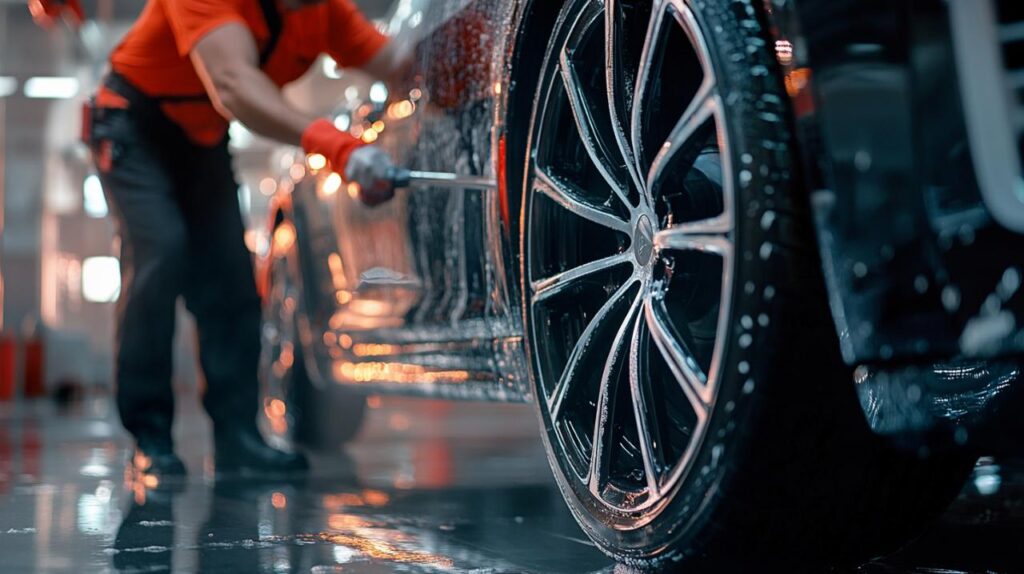
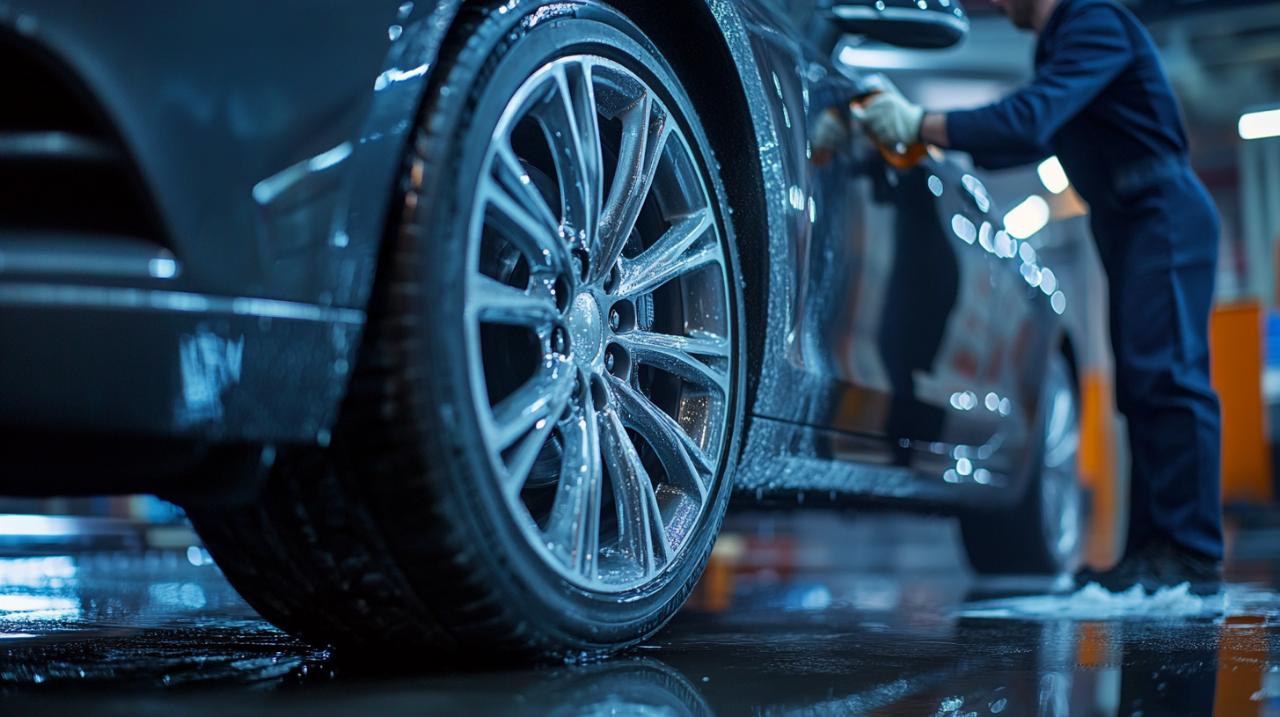
Contemporary wheel cleaning practices have refined the massive use of water into a precise science, balancing effectiveness with conservation concerns. Modern formulations of wheel cleaners work in harmony with water to break down the complex mixture of brake dust, road salt, and organic matter that accumulates on wheels over time. Wheels can accumulate dirt, dust, and grime with remarkable speed, particularly in the British climate where wet roads and industrial fallout create a persistent challenge for vehicle maintenance. The present form of wheel washing incorporates pressurised water systems and pH-balanced cleaning solutions that maximise cleaning power whilst minimising waste. High-quality cleaners are recommended for best results, as these formulations are safe for all wheel types, whether aluminium, chrome, or painted surfaces, and work efficiently with water to dissolve contaminants without requiring excessive volumes. This evolution represents a remarkable journey from the medieval practice of hauling buckets from wells to the controlled application of treated water through modern equipment, demonstrating how tradition and innovation can combine to produce superior results.
Why Investing in Quality Wheel Cleaners and Scrubbers Remains Essential
The Central Importance of Proper Wheel Care for Vehicle Longevity
The preservation of wheel integrity stands as one of the most overlooked yet crucial aspects of vehicle maintenance, with implications that extend far beyond mere aesthetics. Regular use of appropriate cleaning products can extend the lifespan of wheels substantially, protecting against the corrosion and wear that inevitably result from exposure to the harsh conditions of British roads. The benefits of using alloy wheel cleaners include not only enhanced visual appeal for vehicles but also the critical function of removing stubborn brake dust build-up, which contains metallic particles that can bond chemically with wheel surfaces if left untreated. This chemical bonding, if allowed to persist, can lead to permanent discolouration and even structural weakening of the wheel material. Furthermore, proper wheel care contributes to the overall safety of the vehicle, as wheels free from corrosion and excessive grime maintain their structural integrity and proper balance, ensuring optimal performance of the braking system and suspension components. The investment in quality cleaning tools and products thus represents not merely a cosmetic consideration but a fundamental aspect of responsible vehicle ownership.
Cost-Benefit Analysis of Premium Wheel Cleaning Equipment for British Motorists
Investing in alloy wheel cleaners and quality scrubbing equipment proves beneficial for vehicle maintenance when examined through the lens of long-term cost and value preservation. Whilst premium cleaning products may carry a higher initial price point than generic alternatives, the protection against corrosion and wear they provide can save substantial sums over the life of the vehicle. Replacement of damaged or corroded alloy wheels represents a significant expense, often running into hundreds or even thousands of pounds depending on the vehicle specification, whilst regular maintenance with appropriate products requires only a modest investment of time and money. The cleaners help protect against the accelerated deterioration that results from neglect, preserving both the functional capabilities and the resale value of the vehicle. For the discerning British motorist, this represents a compelling economic argument that echoes the practical wisdom of our ancestors, who understood that proper maintenance of transportation equipment, whether horse-drawn carriage or modern automobile, ultimately proves more economical than costly repairs or premature replacement. The evolution from medieval wheel care to contemporary solutions thus reveals a consistent truth: quality tools and proper techniques remain a worthwhile investment across all ages of British motoring.