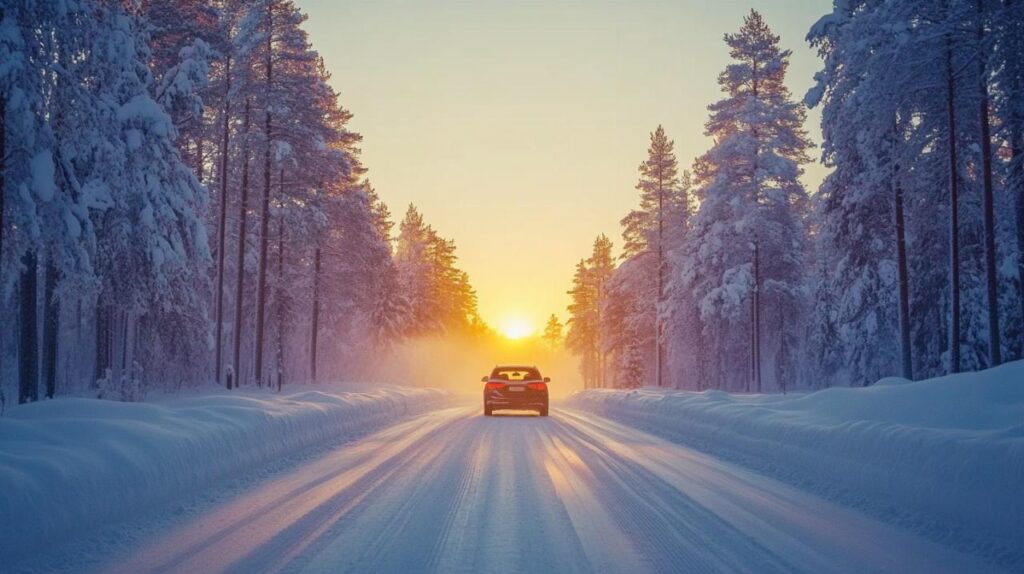
Finland transforms into a captivating winter wonderland from November through March, offering intrepid travellers the chance to explore remote northern landscapes blanketed in snow. Navigating these pristine Arctic roads requires careful preparation and respect for the unique challenges posed by ice, darkness, and the occasional reindeer crossing. Whether you're journeying to witness the Northern Lights or exploring the charming villages dotted throughout Lapland, understanding the essentials of winter driving in Finland ensures both safety and unforgettable memories.
Essential winter driving preparation and vehicle requirements
Mandatory Studded Tyres and Equipment for Finnish Winter Roads
When embarking on a winter adventure in Finland, ensuring your vehicle is properly equipped is not merely advisable but a legal requirement. From the first of November until the first of March, all vehicles must be fitted with winter tyres. In the northern reaches of the country, particularly throughout Lapland and areas near the Arctic Circle, studded tyres are strongly recommended to tackle the ice and compacted snow that characterise these regions. The law reflects the reality that roads can become treacherous quickly, and whilst Finnish authorities maintain them diligently, black ice remains a persistent hazard that even the most experienced drivers must respect.
Beyond tyres, drivers should consider additional equipment to enhance safety and comfort. Warming up your vehicle before setting off is advisable in freezing temperatures, ensuring both engine efficiency and passenger comfort. Keeping a safe braking distance becomes especially critical in winter, as icy conditions can significantly extend stopping distances. It is also mandatory to have headlights on at all times when driving, a rule that applies throughout the year but becomes particularly important during the long hours of darkness that dominate the Finnish winter. This regulation holds even during the brief periods of the midnight sun, emphasising the importance of visibility in all conditions.
Choosing the Right Rental Car for Lapland's Arctic Conditions
For those planning to rent a vehicle, selecting the right car for Arctic conditions can make all the difference. Many rental companies, including Green Motion Car and Van Rental, offer vehicles equipped with winter tyres as standard during the colder months, ensuring compliance with Finnish regulations. Rental agencies often require drivers to be at least twenty or twenty-one years old, despite the national minimum driving age being eighteen. This reflects the additional responsibility and skill required to navigate winter roads safely.
Opting for a vehicle with good ground clearance and reliable heating is wise, especially if you intend to venture into remote northern territories where temperatures can plummet well below freezing. Electric cars are increasingly available, but potential renters should be aware that cold weather can reduce battery performance and range. Dressing warmly and carrying extra clothing is essential for unexpected stops or emergencies. A rental car enhances access to remote areas and experiences, allowing you to explore beyond the reach of public transport and immerse yourself fully in the stunning winter landscapes Finland offers.
Mastering Finnish Road Safety and Navigation in Snowy Terrain
Understanding winter road rules and driving regulations
Finnish road rules are designed with safety as the paramount concern, and understanding them is essential for any driver. The country enforces strict drink-driving limits, with a blood alcohol concentration of just 0.05 percent marking the legal threshold. Seatbelt laws are rigorously applied, and all occupants must be properly restrained. Speed limits vary depending on the type of road and the season. In urban areas, the limit is typically fifty kilometres per hour, whilst rural roads allow eighty kilometres per hour. On major highways during summer, drivers may travel at one hundred kilometres per hour, and motorways permit speeds up to one hundred and twenty kilometres per hour. However, in winter, these limits are reduced to eighty kilometres per hour on highways and one hundred kilometres per hour on motorways, reflecting the need for cautious driving in adverse conditions.
Traffic enforcement in Finland relies heavily on automatic cameras positioned in busy areas, and fines for speeding or other violations can be substantial. Finns drive on the right-hand side of the road, and traffic jams are uncommon, with even short delays rarely considered heavy traffic. This reflects the relatively low population density and the efficiency of the road network. Drivers should always park in designated areas and remain vigilant for local traffic signs, which may provide important information about road conditions or temporary restrictions.
Planning your route through remote northern territories
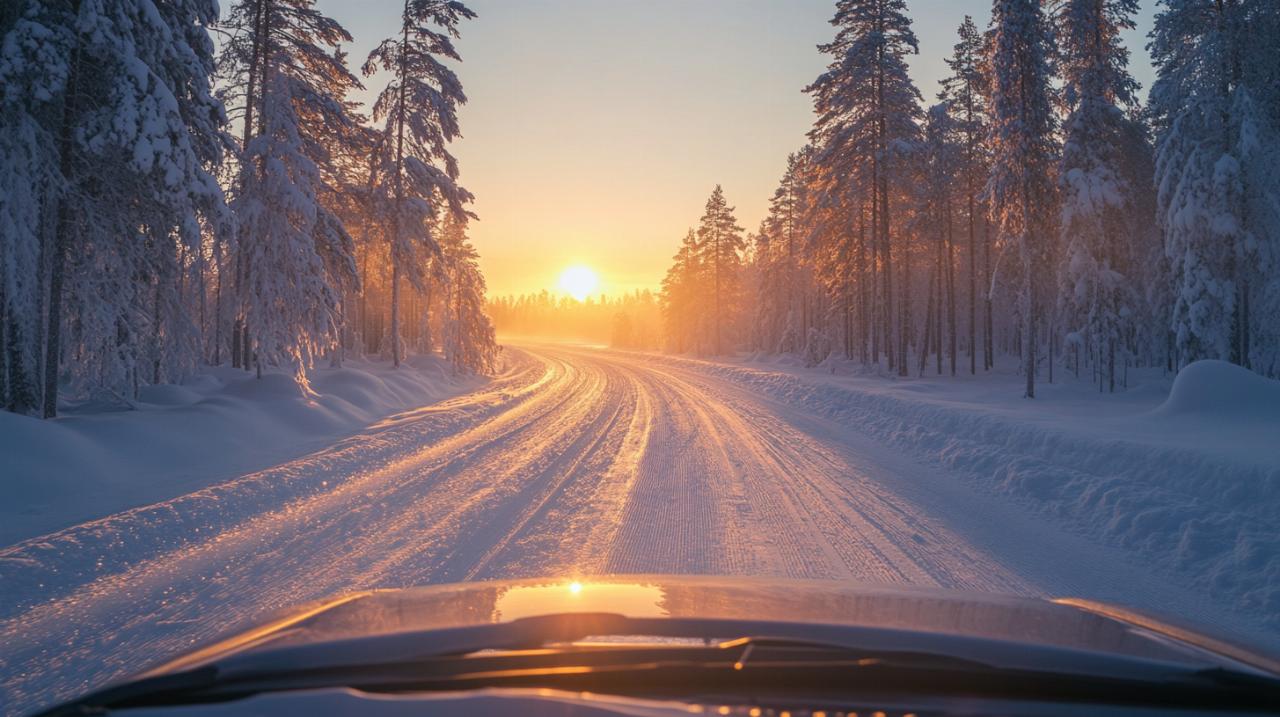
Careful route planning is crucial when exploring Finland's northern territories, where distances between settlements can be considerable and services sparse. Notable driving routes include the Arctic Ocean Road, which offers breathtaking views and access to some of the most remote areas near the Norwegian and Swedish borders. The King's Road and Archipelago Trail provide alternative scenic journeys for those seeking variety. Route 5, stretching from Helsinki to Kuopio, is another popular choice, showcasing the beauty of Finnish Lakeland even in winter.
Utilising maps and online resources before setting out helps ensure you are aware of road conditions and weather forecasts. Winter travel times are invariably longer due to icy roads and heavier snow, so building extra time into your itinerary is wise. Emergency services in Finland can be reached by calling 112, a number that should be saved in your phone before venturing into remote areas. Being aware of potential wildlife crossings, particularly reindeer and elk, is essential. These animals are common sights in Lapland and rural areas, and drivers should be prepared to stop suddenly if they appear on the road. Using high beams at night, when visibility is poor, can help spot wildlife earlier, though they should be dimmed for oncoming traffic.
Experiencing finland's winter wonderland whilst driving safely
Wildlife Awareness and Rural Driving Near the Norwegian and Swedish Borders
Driving through the remote northern territories near the borders with Norway and Sweden offers a unique blend of solitude and natural beauty, but it also demands heightened awareness of wildlife. Reindeer are a common sight in Lapland, and these animals can appear suddenly on the road, especially during dusk and dawn. Elk also pose a significant hazard, particularly in rural areas where forests meet open land. Being cautious and ready to slow down or stop is not merely a recommendation but a necessity for safe travel.
The recommendation to use studded tyres in these regions is not without good reason. The combination of compact snow, ice, and the unpredictability of wildlife means that every advantage in traction and control can prevent an accident. Maintaining adequate distance between vehicles ensures that even if you must brake suddenly, you have the space to do so without collision. The Finnish approach to road safety emphasises patience and vigilance, values that align well with the serene, unhurried pace of life in these northern regions.
Discovering Northern Lights and Picturesque Villages from Rovaniemi to the Arctic Circle
The journey from Rovaniemi, the capital of Lapland, to the Arctic Circle and beyond is one of the most enchanting drives in Finland. This route offers unparalleled opportunities to witness the Northern Lights, a natural phenomenon that draws visitors from around the globe. The picturesque villages scattered along the way, with their charming wooden architecture and warm hospitality, provide perfect stops for rest and reflection. Skiing activities and other winter sports are abundant, making the region a playground for outdoor enthusiasts.
Driving through this winter wonderland requires not only technical skill but also an appreciation for the landscape's delicate beauty. The absence of toll roads and bridges in Finland means that the journey is straightforward, with no unexpected fees to interrupt the flow of travel. The midnight sun, though a summer phenomenon, gives way in winter to long hours of darkness punctuated by the ethereal glow of the aurora borealis. Keeping headlights on at all times, as mandated by law, ensures visibility and safety during these extended periods of low light.
Weather conditions can change rapidly, and being aware of these shifts is crucial. Checking forecasts regularly and adjusting your plans accordingly helps avoid being caught in a sudden snowstorm or whiteout. The well-maintained roads are a testament to Finnish infrastructure, but they cannot eliminate every risk. Black ice, in particular, can form without warning, and even the most cautious driver must remain alert. By combining respect for the environment, adherence to road rules, and careful planning, you can safely experience the magic of Finland's winter landscapes whilst driving through some of the most remote and beautiful territories in Europe.