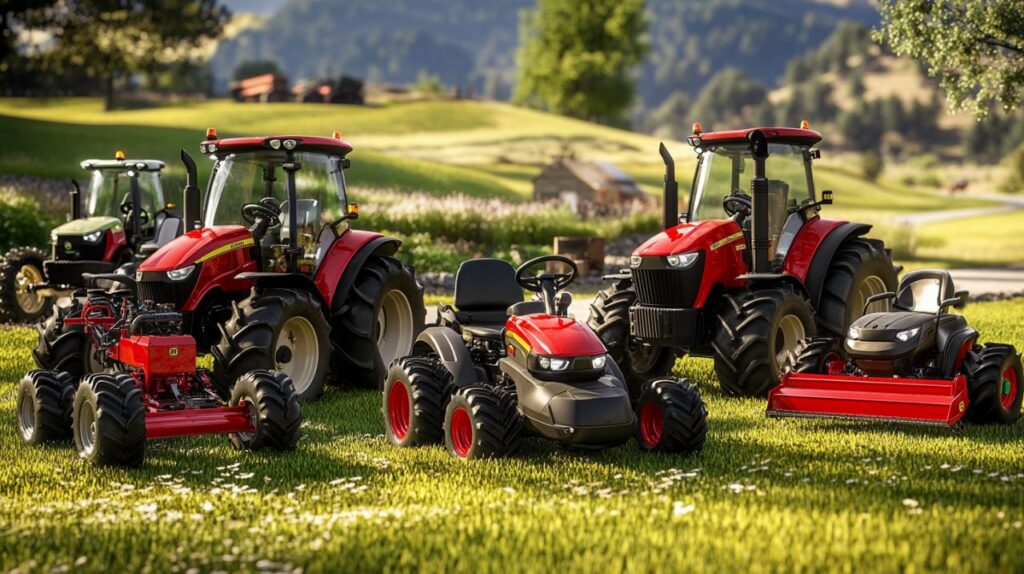
For homeowners and professionals managing extensive outdoor spaces, understanding the nuances of ride-on mowers and lawn tractors is essential to making an informed purchase. These machines represent a significant investment, and choosing the right model involves balancing cost, cutting performance, speed, and ongoing maintenance. Whether you are tending a modest residential garden or overseeing large-scale commercial grounds, a comprehensive grasp of pricing structures, deck dimensions, and terrain adaptability will ensure you select equipment that meets your specific needs whilst delivering long-term value and reliability.
Understanding Pricing Structures for Tractors and Ride-on Mowers in the UK Market
The cost of acquiring a ride-on mower or lawn tractor varies considerably depending on the type, brand, and intended application. Basic ride-on mowers typically start at around one thousand pounds, making them an accessible option for those with medium to large lawns. For homeowners managing areas under an acre, these entry-level machines offer a practical alternative to walk-behind models, particularly when lawn size exceeds the threshold where manual mowing becomes impractical. Petrol and cordless mowers remain viable for smaller properties, often handling lawns over one hundred and fifty square metres at a cost of less than five hundred pounds. Robot mowers also present an appealing solution for those seeking automation, though their price points and operational parameters differ from traditional ride-on equipment.
Entry-level vs premium models: what influences cost
Examining the product ranges of leading manufacturers reveals substantial price variation. Mountfield and Stiga both offer entry-level ride-on mowers starting just above one thousand pounds, positioning them as budget-friendly choices for domestic users. Honda mowers, renowned for their reliability and engineering quality, range from two thousand to over four thousand pounds, reflecting their premium build and performance characteristics. Husqvarna provides a broad spectrum of options, with domestic models beginning around two thousand pounds and commercial variants reaching approximately twelve thousand pounds. John Deere lawn tractors start above two thousand pounds, whilst Kubota models commence near four thousand pounds, catering to users who demand robust construction and enhanced capabilities.
Garden tractors, which are designed for properties exceeding five acres and offer versatility beyond mowing, typically cost between two thousand and five thousand pounds, with some specialist models reaching twenty-five thousand pounds. These machines are engineered to accommodate attachments such as sweepers, aerators, spreaders, and dump carts, transforming them into multi-functional equipment for comprehensive grounds maintenance. The substantial investment in a garden tractor is justified by its capacity to perform a wide array of tasks, from snow removal to soil preparation, thereby reducing the need for multiple standalone machines.
Long-Term Value and Total Cost of Ownership Considerations
Evaluating the total cost of ownership extends beyond the initial purchase price. Servicing costs can reach up to two hundred pounds annually, depending on the model and the extent of maintenance required. Operating costs encompass fuel, replacement parts, and routine servicing, all of which contribute to the ongoing financial commitment. Depreciation is another critical factor, as equipment values decline over time, particularly for machines subjected to intensive commercial use. Warranty coverage and manufacturer support play a significant role in mitigating unexpected expenses, with extended warranties offering peace of mind and protecting against costly repairs.
For those weighing capital investment against operational flexibility, the decision between ownership and rental merits careful consideration. Rental arrangements can reduce upfront costs and provide access to the latest technology without long-term commitment, making them attractive for seasonal needs or projects with variable equipment requirements. Conversely, ownership ensures availability and familiarity with the machinery, fostering efficient operation and consistent performance. A phased approach, combining owned and rented equipment, may offer a balanced strategy, particularly for businesses experiencing growth or fluctuating demand.
Cutting Width Specifications and Their Impact on Terrain Management
The cutting width, or mower deck size, directly influences productivity and efficiency. Selecting an appropriate deck size for your property ensures optimal performance whilst minimising mowing time. Mower decks ranging from thirty to forty inches are suitable for yards up to one and a half acres, providing a balance between manoeuvrability and coverage. For properties spanning one and a half to three acres, a deck width of forty to forty-eight inches is recommended, enabling faster completion of larger areas without sacrificing precision. Lawns exceeding three acres benefit from decks measuring forty-eight to sixty-one inches, which deliver the speed and capacity required for expansive grounds.
Matching deck size to property requirements
Understanding the relationship between lawn size and deck dimensions is fundamental to achieving efficient results. A ride-on mower is best suited for lawns under an acre, where its compact design and moderate cutting width allow for effective navigation around obstacles and tight spaces. Lawn tractors, by contrast, are designed for large areas and tough terrain, offering enhanced traction, power, and cutting capacity. Their robust construction and larger decks make them ideal for properties with varied topography, including slopes and uneven ground. Garden tractors, with their expansive decks and multi-tasking capabilities, excel on properties exceeding five acres, where their ability to handle attachments and diverse tasks justifies their higher price and operational complexity.
Terrain considerations also influence deck size selection. Flat lawns permit the use of wider decks, maximising coverage and reducing mowing time. Sloped or uneven ground, however, may require narrower decks to maintain stability and cutting precision. Operators managing landscaped gardens with intricate features, such as flowerbeds and ornamental structures, often prefer smaller decks that facilitate careful manoeuvring and minimise the risk of damage to plantings.
Performance variations across residential and commercial applications
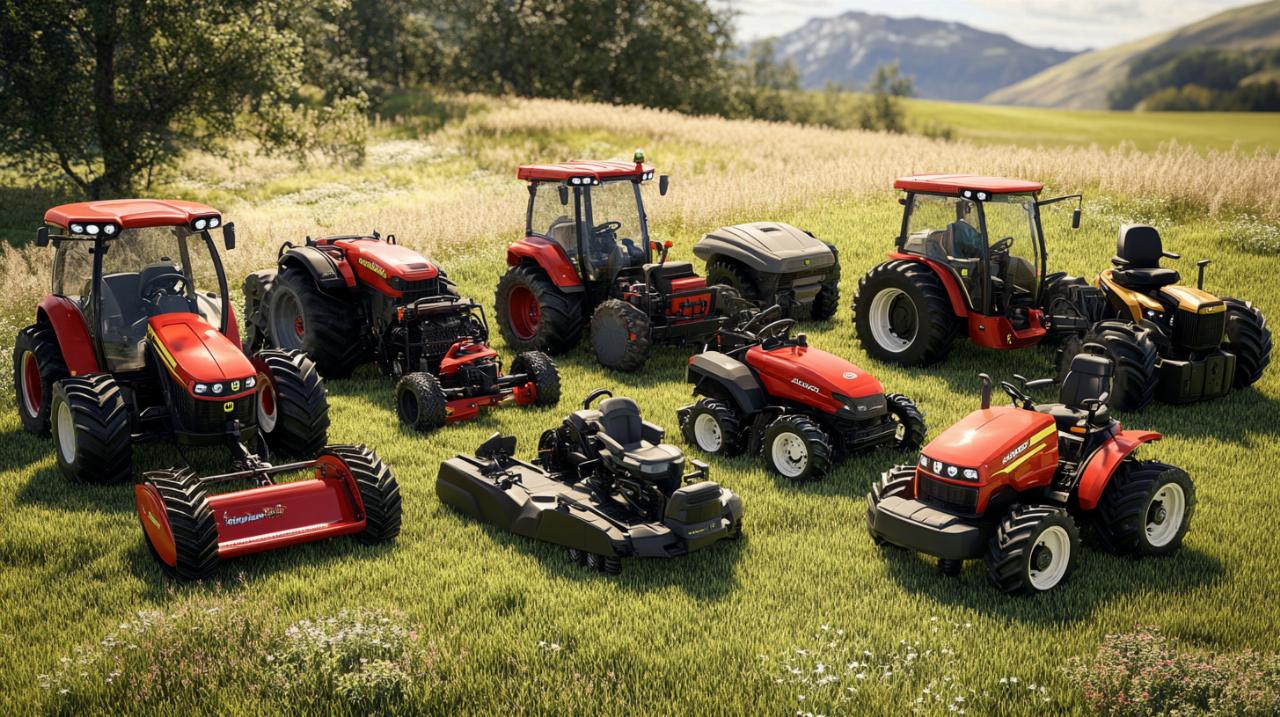
Commercial applications demand equipment capable of withstanding intensive use and delivering consistent results across diverse environments. Commercial-grade ride-on mowers and lawn tractors feature reinforced components, larger fuel capacities, and enhanced durability to meet the rigours of daily operation. Deck sizes in commercial contexts are often at the upper end of the spectrum, prioritising productivity and minimising downtime. Husqvarna commercial mowers, for instance, can cost around twelve thousand pounds, reflecting their heavy-duty construction and advanced features.
Domestic mowers, whilst equally effective for residential lawns, are designed with a focus on ease of use, affordability, and moderate maintenance requirements. Their deck sizes and engine specifications are calibrated to handle typical garden dimensions and mowing frequencies, making them a practical choice for homeowners. The selection of reputable brands such as Honda, John Deere, Kubota, Mountfield, and Stiga ensures access to reliable machinery supported by comprehensive dealer networks and parts availability.
Operational Speeds and Terrain Adaptability for Optimal Performance
The operational speed of a ride-on mower or lawn tractor influences both productivity and the quality of the cut. Machines capable of higher speeds reduce mowing time on large, flat lawns, yet must balance velocity with control and safety, particularly on uneven or sloped terrain. Understanding how speed capabilities interact with different ground conditions is essential for achieving optimal performance and operator safety.
Speed capabilities across flat, sloped and uneven ground
On flat terrain, modern lawn tractors can achieve forward speeds that significantly reduce the time required to complete large areas. However, speed must be moderated on slopes and uneven ground to maintain traction, prevent scalping, and ensure operator safety. Sloped lawns demand careful throttle management and, in some cases, the use of additional weights or traction aids to prevent slippage. Uneven ground, characterised by ruts, bumps, and irregular contours, requires slower speeds to maintain cutting quality and protect the mower deck and undercarriage from damage.
Terrain adaptability is enhanced by features such as adjustable cutting heights, robust suspension systems, and differential locking mechanisms. Lawn tractors designed for tough terrain incorporate these elements to deliver consistent results across varied landscapes. Commercial operators managing large estates or golf courses often prioritise machines with superior terrain handling capabilities, ensuring that mowing schedules are maintained regardless of ground conditions. Emerging technologies, including GPS integration and automated controls, further enhance precision and efficiency, enabling operators to optimise speed and cutting patterns in real time.
Essential Maintenance Practises for Sustained Efficiency and Longevity
Regular maintenance is paramount to preserving the performance, safety, and lifespan of ride-on mowers and lawn tractors. Daily care involves visual inspections, fluid level checks, and safety system tests, ensuring that potential issues are identified and addressed before they escalate. Fluid levels, including engine oil, hydraulic fluid, and coolant, must be monitored and replenished as necessary. Safety systems, such as seat switches and blade engagement interlocks, should be tested before each use to prevent accidents and ensure compliance with operational protocols.
Scheduled maintenance follows manufacturer guidelines, incorporating preventive measures and seasonal preparation. Engine oil and filters require regular replacement, with intervals determined by usage intensity and environmental conditions. Air filters, spark plugs, and fuel filters are equally critical, as neglect can lead to reduced performance, increased fuel consumption, and engine damage. Mower blades demand frequent sharpening and balancing to maintain cutting quality and reduce strain on the engine and drive system. Seasonal preparation, particularly before winter storage, includes fuel stabilisation, battery maintenance, and thorough cleaning to prevent corrosion and mechanical degradation.
For businesses such as 4 Seasons Grounds & Landscaping, managed by Neil Plevey and providing comprehensive grounds maintenance across Worcestershire and the West Midlands, equipment upkeep is integral to operational success. The firm employs a diverse fleet, from ride-on and walk-behind mowers to cylinder mowers, hedge trimmers, chainsaws, scarifiers, aerators, rotavators, spreaders, irrigation systems, and utility vehicles. Equipment selection is guided by site size, terrain, access, seasonal variations, staff skills, and client expectations, with financial considerations encompassing capital investment, operating costs, and depreciation. Emerging technologies, such as battery-powered equipment and robotic mowers, are increasingly adopted for their environmental benefits, reduced noise, and autonomous capabilities, though safety systems and oversight remain essential.
Strategic decisions regarding ownership versus rental hinge on usage analysis, total cost modelling, and risk evaluation. A phased approach, combining owned and rented equipment, offers flexibility and access to the latest innovations without prohibitive capital outlay. Partnership opportunities and technology updates further enhance operational efficiency, enabling businesses to respond dynamically to client demands and market trends. For homeowners and professionals alike, informed decision-making, diligent maintenance, and a thorough understanding of pricing, cutting widths, and speed capabilities are the cornerstones of successful lawn and grounds management.