
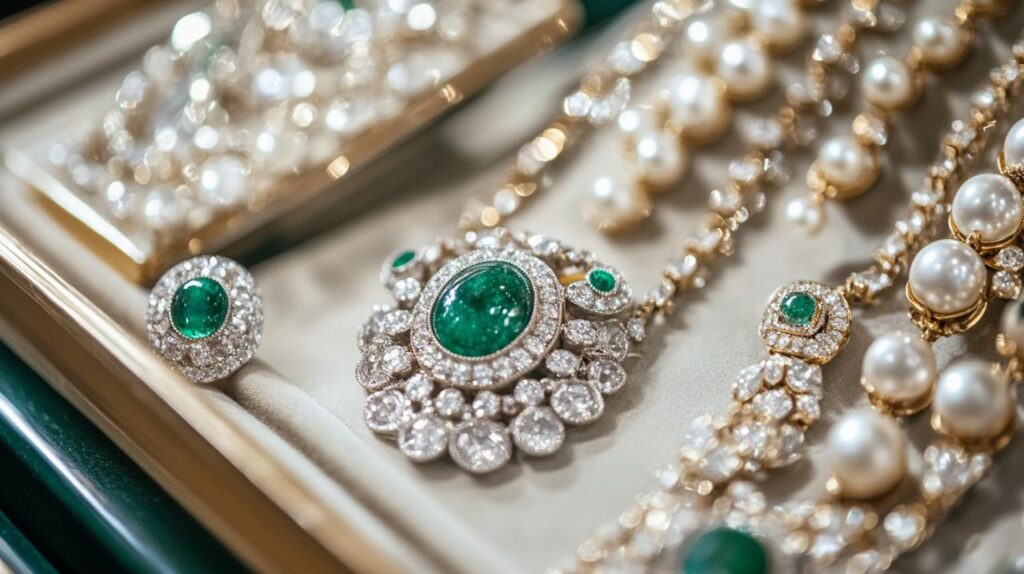
Caring for your jewellery collection is about more than just aesthetics; it is an investment in preserving beauty, value, and sentimental worth for years to come. With gold and silver prices on the rise, proper maintenance has never been more critical. Even the hardiest gems and metals can suffer from neglect, so understanding the fundamentals of jewellery care ensures that each piece continues to sparkle and shine as brilliantly as the day you acquired it.
Proper Cleaning and Storage Techniques for Your Jewellery
Regular cleaning methods to keep your pieces sparkling
Keeping your jewellery gleaming requires a gentle yet effective approach to cleaning. Much like automobile maintenance tips and tricks emphasise regular servicing to keep vehicles running smoothly, your precious metals and gemstones benefit from consistent care. For most pieces, a simple solution of lukewarm water mixed with a mild dish soap such as Dawn works wonders. Using a soft toothbrush, you can carefully scrub away any accumulated muck and grease, ensuring that every facet catches the light. Windex is another alternative that some jewellers recommend for certain pieces, though it is always wise to check compatibility with your specific materials first.
Sterling silver, however, demands special attention due to its tendency to tarnish, particularly if you have a gas stove in your kitchen. The sulphur compounds released during cooking can accelerate oxidation, leaving your silver looking dull and discoloured. To combat this, specialist cleaning solutions designed for silver are highly effective. Alternatively, a mixture of lukewarm water and washing-up liquid can do the job, and for more stubborn tarnish, a white vinegar and water mix or a paste made from baking soda and water can restore the original lustre. Gold pieces, on the other hand, are more forgiving and can generally withstand exposure to water during a shower, unless they are gold-plated, in which case the plating may wear off over time.
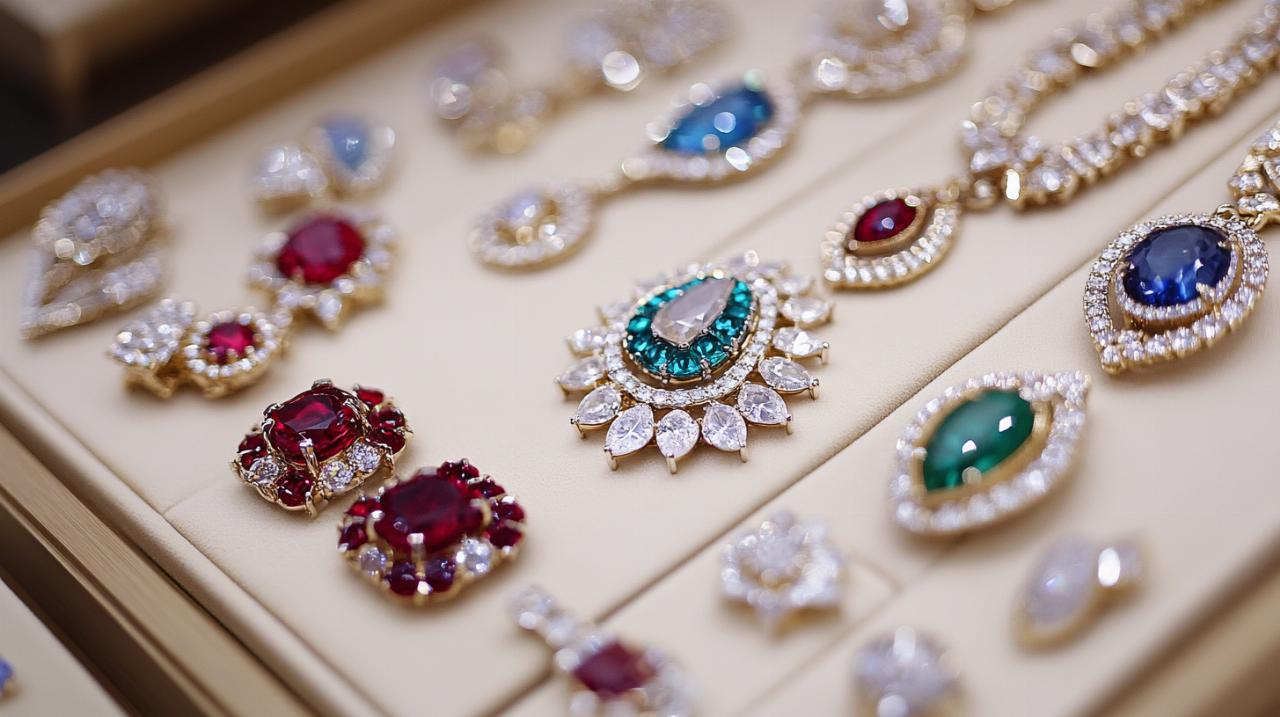
Diamonds and other hard stones like rubies, sapphires, and emeralds can be cleaned with warm water and a degreasing solution, using a soft brush to reach into the settings where dirt often hides. It is crucial to avoid harsh abrasives and bleaches, as these can damage even the toughest of stones. For organic gems such as pearls, opals, and amber, a damp, soft cloth is all you need. These delicate materials should never be submerged in water or exposed to steam, boiling water, or ultrasonic cleaning tools, as such treatments can cause irreversible damage. Malachite, another soft stone, should be cleaned with cool water only, ensuring that its vibrant green hues remain intact.
Smart Storage Solutions to Prevent Scratches and Damage
Storing your jewellery properly is just as important as cleaning it. The common mistake of tossing all your pieces into one container can lead to scratches, tangles, and even permanent damage. Each piece should be stored separately, ideally in soft pouches or fabric-lined boxes. This prevents harder stones like diamonds from scratching softer metals or gemstones, and it keeps delicate chains from becoming knotted messes. Necklaces, in particular, benefit from being hung on hooks within a jewellery box, with clasps closed to avoid tangling. If you are travelling, a plastic zipper bag can serve as a makeshift solution, though it is best to avoid wrapping jewellery in tissue, as this can lead to accidental disposal or loss.
Humidity is another enemy of fine jewellery. Bathrooms, with their fluctuating moisture levels, are the worst places to store your precious pieces. Instead, choose a cool, dry location and consider placing chalk sticks or moisture-absorbing packets in your jewellery box to keep dampness at bay. Sterling silver, in particular, tarnishes more rapidly when exposed to humid environments, so storing it away from moisture when not in use can significantly extend its shine. For rings and other small items, jewellery dishes or ring holders placed near sinks can serve as helpful reminders to remove your jewellery before washing your hands or preparing meals, reducing the risk of accidental loss down the drain.
Protecting Your Jewellery from Daily Wear and Environmental Hazards
When to Remove Your Jewellery: Activities and Substances to Avoid
Everyday activities can pose surprising risks to your jewellery, and knowing when to take off your pieces is essential for preventing damage. Swimming, whether in a chlorinated pool or the ocean, should always be done without your jewellery. Chlorine is a particularly harsh chemical that can corrode metals and weaken settings, leading to lost stones and irreparable harm. Similarly, exposure to beauty products such as hairspray, perfume, and lotion can dull the finish of your jewellery and accumulate residue that is difficult to remove. Sweat, too, can contribute to tarnishing, especially in silver pieces, so removing your jewellery before vigorous exercise or on particularly hot days is a wise precaution.
Showering with your jewellery on is another habit best avoided, even if the piece is made from a water-resistant material like solid gold. Soap and shampoo can leave a film on gemstones, reducing their brilliance, and the constant exposure to water can weaken adhesives used in certain settings. Before bed, it is advisable to remove all jewellery and store it properly, rather than leaving earrings on a bedside table where they can easily be knocked to the floor and lost. Cooking and cleaning are also activities that warrant caution. The combination of heat, grease, and cleaning chemicals can damage delicate pieces, and the risk of catching a ring on a pot handle or snagging a bracelet on a cupboard door is all too real.
Certain substances and environments should be avoided entirely. Bleach and other harsh abrasives can strip away metal plating and damage even the hardest of gemstones. Direct sunlight and excessive heat can cause some stones, such as opals, to crack or lose their colour, while damp conditions can accelerate tarnishing in silver. Magnets, too, can interfere with the delicate mechanisms of luxury watches, so it is best to keep your timepieces away from magnetic sources. By being mindful of these hazards and removing your jewellery before engaging in potentially damaging activities, you can significantly extend the lifespan and beauty of your collection.
Professional Maintenance and Annual Check-ups with Your Jeweller
Even with the most diligent home care, professional maintenance is an indispensable part of jewellery upkeep. Visiting a jeweller at least once a year for a thorough inspection can catch potential issues before they become serious problems. Worn claws, loose stones, and weakened clasps are common issues that a trained eye can identify and address swiftly. Hard stones like diamonds, rubies, sapphires, and emeralds benefit from having their settings checked every few years, as the constant wear can loosen the metal holding them in place. Pearls, which are softer and more delicate, should be restrung every few years to prevent the silk thread from weakening and breaking.
Luxury watches require even more specialised care. Mechanical watches should be wound clockwise at the same time each day, ideally while removed from the wrist to avoid damaging the delicate crown mechanism. Servicing by a certified technician every three or four years is essential to maintaining the watch's precision and ensuring that the warranty remains valid. Water resistance ratings can be misleading, and a watch with a rating of one hundred metres or greater is recommended for swimming. Regular professional cleaning, whether through ultrasonic methods for durable pieces or gentle hand cleaning for delicate items, ensures that your jewellery remains in pristine condition.
Having your jewellery valued for insurance purposes is another critical step. A detailed description and valuation can protect you financially in the event of loss or theft. Look for the National Association of Jewellers' Grant-of-Arms when choosing a jeweller, as this ensures that you are working with a vetted professional who adheres to high standards of service and expertise. By combining regular home care with professional maintenance, you can preserve the value, beauty, and sentimental significance of your jewellery collection for generations to come.