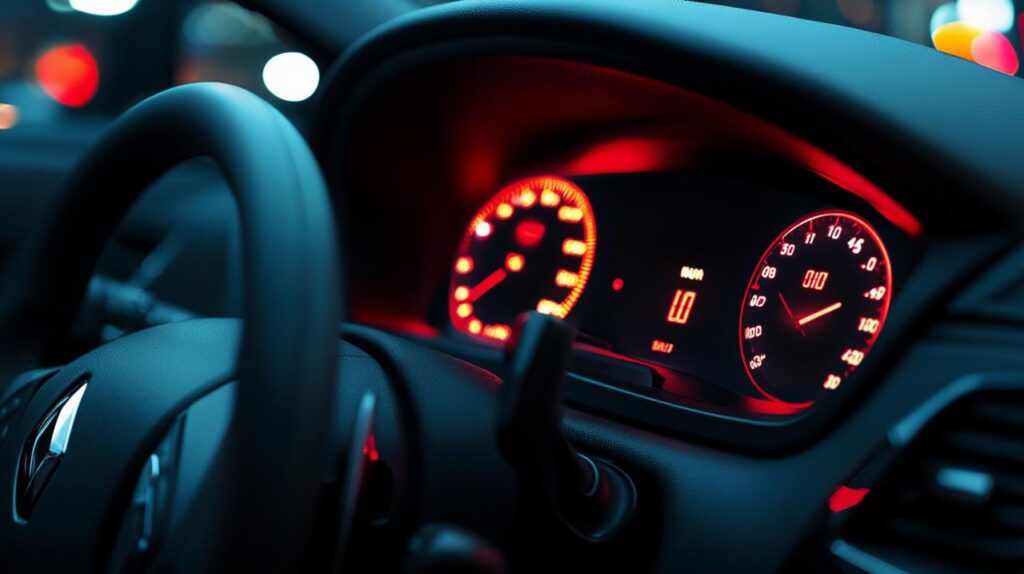
Driving along in your Renault Megane 3, you might suddenly notice an unwelcome glow on the dashboard: the injection warning light. This small but significant indicator can cause immediate concern, especially when it appears without warning. Understanding what this light signifies and knowing how to respond appropriately can make the difference between a minor inconvenience and a serious, costly repair. Whether you experience a sudden loss of power, rough idling, or simply see the light illuminate whilst the engine appears to run normally, taking prompt and informed action is essential to protect your vehicle's health and your wallet.
Understanding the Injection Warning Light in Your Renault Megane 3
What Does the Injection Control Light Mean on Your Dashboard?
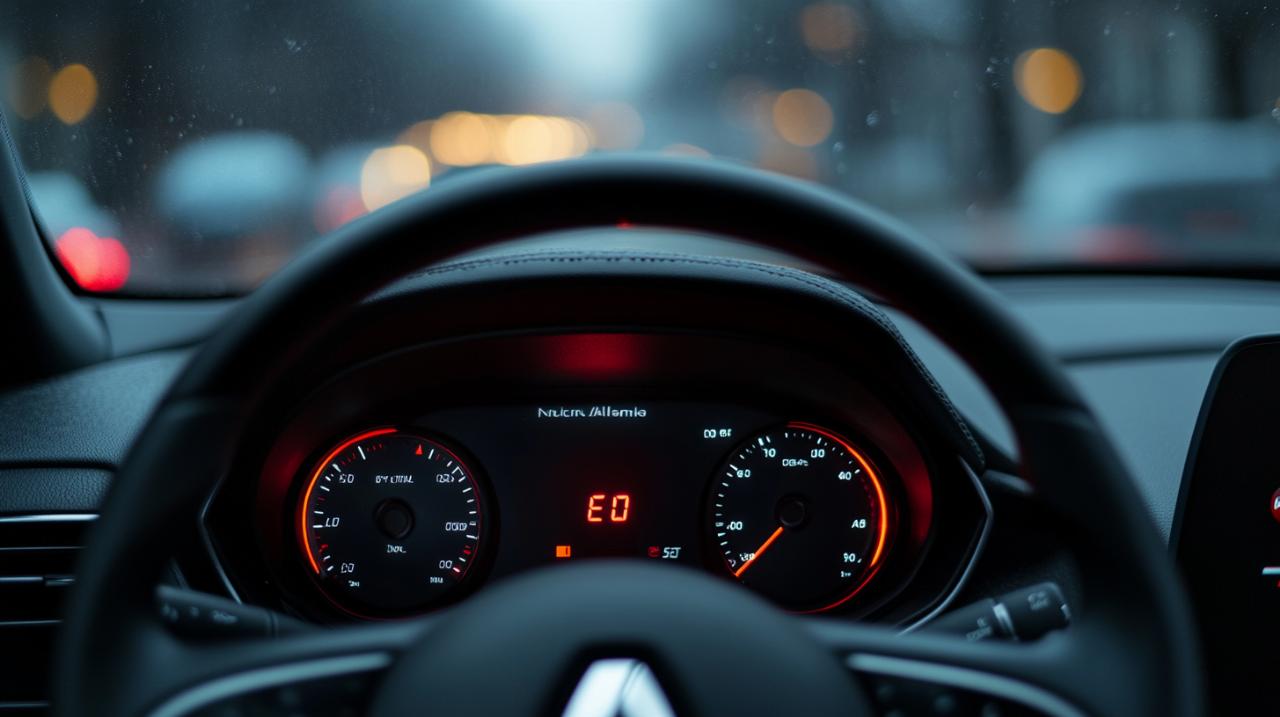
When the injection control light appears on the dashboard of your Renault Megane 3, it serves as an alert that the engine management system has detected a potential issue within the fuel injection system or related emissions components. This warning is not something to dismiss lightly, as it indicates that the electronic control unit has registered a fault that could affect engine performance, fuel efficiency, or emissions output. The light may appear alongside messages such as 'check anti pollution system', which further narrows down the nature of the problem. In vehicles like the Renault Clio Megane Captur and other models in the range, this warning system is designed to help drivers identify issues before they escalate into more severe mechanical failures. The injection system fault could stem from a variety of sources, ranging from minor sensor glitches to more significant problems involving faulty injectors or a clogged EGR valve. Recognising the warning early and understanding its implications allows you to take appropriate measures to prevent further damage.
Common Symptoms Accompanying the Warning Light in Megane 3 Models
The injection warning light rarely appears in isolation. Most drivers will notice additional symptoms that provide clues about the underlying problem. Rough idling is a common complaint, where the engine feels unsteady or shakes whilst stationary. You might also experience difficulty starting the vehicle, particularly noticeable in dCi diesel models where the injection system plays a critical role in ignition. Power loss is another frequent symptom, often described as the engine entering limp mode, which restricts performance to protect internal components from further harm. Black smoke billowing from the exhaust is a telltale sign of incomplete combustion, often linked to faulty injectors or issues with the diesel particulate filter. Increased fuel consumption can accompany these symptoms, as the engine struggles to operate efficiently. Some drivers report jerking or hesitation during acceleration, which can make the vehicle feel unpredictable and unsafe. If these symptoms are mild and the engine continues to run relatively normally, cautious driving to a garage is advisable. However, if you experience severe power loss, excessive smoke, or significant jerking, stopping immediately and seeking professional assistance is the safest course of action to avoid engine damage prevention.
Diagnosing the Root Causes of Injection System Faults
Fuel Quality Issues and Faulty Injectors: Key Culprits to Investigate
One of the primary causes behind the injection warning light in a Megane 3 is related to the quality of fuel or the condition of the injectors themselves. Poor quality fuel can introduce contaminants into the injection system, leading to blockages or inefficient combustion. Over time, deposits can build up on the injectors, affecting their ability to deliver the precise amount of fuel required for optimal engine performance. Faulty injectors can result in rough idling, difficult starting, and the emission of black smoke from the exhaust. When injectors fail to atomise fuel correctly, the engine struggles to maintain a smooth and consistent operation. This is particularly problematic in diesel engines, where precise fuel delivery is crucial. Cleaning the injectors can sometimes resolve the issue, but in cases where they are severely damaged or worn, replacement may be necessary. Fuel quality issues are often overlooked, yet they can have a significant impact on the health of the injection system. Using reputable fuel stations and occasionally adding a fuel system cleaner can help maintain the integrity of the injectors and prevent the buildup of harmful deposits.
Problems with the EGR Valve and Antipollution System Components
Another frequent cause of the injection warning light is a clogged EGR valve, which plays a vital role in reducing nitrogen oxide emissions by recirculating a portion of the exhaust gases back into the engine. When the EGR valve becomes blocked with carbon deposits, it can no longer function correctly, leading to poor engine performance and increased fuel consumption. The engine management system detects this malfunction and triggers the warning light. Similarly, faults with the diesel particulate filter, commonly referred to as a DPF fault, can cause the engine to enter limp mode, restricting power to prevent further damage. The DPF is designed to trap soot particles from the exhaust, but over time it can become saturated, especially if the vehicle is frequently used for short trips where the filter does not reach the temperature required for regeneration. Faulty sensors can also contribute to the problem, as they provide incorrect data to the ECU, leading to improper adjustments in fuel delivery or emissions control. An OBD2 scanner is an invaluable tool for diagnosing these issues, as it can read fault codes such as P0087, which indicates a fuel rail pressure issue, P0401, which points to insufficient EGR flow, or P2002, which signals a DPF efficiency problem. Identifying the specific fault code allows for a more targeted approach to resolving the issue.
Practical Solutions and When to Seek Professional Assistance
Simple checks you can perform before visiting a mechanic
Before rushing to a garage, there are a few simple checks you can perform that might resolve the issue or at least provide useful information for a mechanic. Start by ensuring that the fuel cap is properly tightened, as a loose cap can sometimes trigger the warning light by affecting the pressure within the fuel system. Inspect the engine bay for any obvious signs of damage, such as disconnected hoses or visible leaks. If you have access to an OBD2 scanner, reading the fault codes can give you a clearer picture of the problem. This device plugs into the vehicle's diagnostic port and retrieves codes stored by the engine management system. Once you have identified the codes, you can research their meanings or share them with a professional for more accurate diagnosis. Some drivers attempt a warning light reset by disconnecting the battery for ten to fifteen minutes, which can clear temporary faults. However, this approach is only a short-term solution, and if the underlying problem persists, the warning light will return. It is important to remember that whilst these checks can be helpful, they are not substitutes for professional diagnosis. Ignoring persistent warnings can lead to expensive engine damage, so if the light reappears after a reset, further investigation is necessary.
Why a Diagnostic Check is Essential for Your Megane 3's Engine Health
A professional diagnostic check is the most reliable way to identify and resolve injection system faults in your Renault Megane 3. Mechanics use advanced diagnostic equipment to read fault codes, monitor live data from various sensors, and perform tests on individual components. This level of detail is crucial for pinpointing the exact cause of the problem, whether it involves faulty injectors, a clogged EGR valve, a DPF fault, or issues with the antipollution system. Attempting to diagnose complex engine issues without the proper tools and expertise can result in misdiagnosis and wasted money on unnecessary parts. A skilled mechanic will not only identify the fault but also assess the overall condition of the engine and related systems, ensuring that any repairs address the root cause rather than just the symptoms. Driving with a serious injection fault can cause expensive engine damage, making timely professional diagnosis a wise investment. Many garages offer diagnostic services at a reasonable cost, and the information gained can save you significant expense in the long run. For drivers in France, Klavkarr, founded in 2009, is a trusted name in automotive services, offering comprehensive diagnostic and repair solutions. You can reach them on +33 977 803 642 for assistance. Ultimately, taking your Megane 3 to a qualified professional when the injection warning light appears is the best way to ensure your vehicle remains safe, reliable, and efficient for years to come.