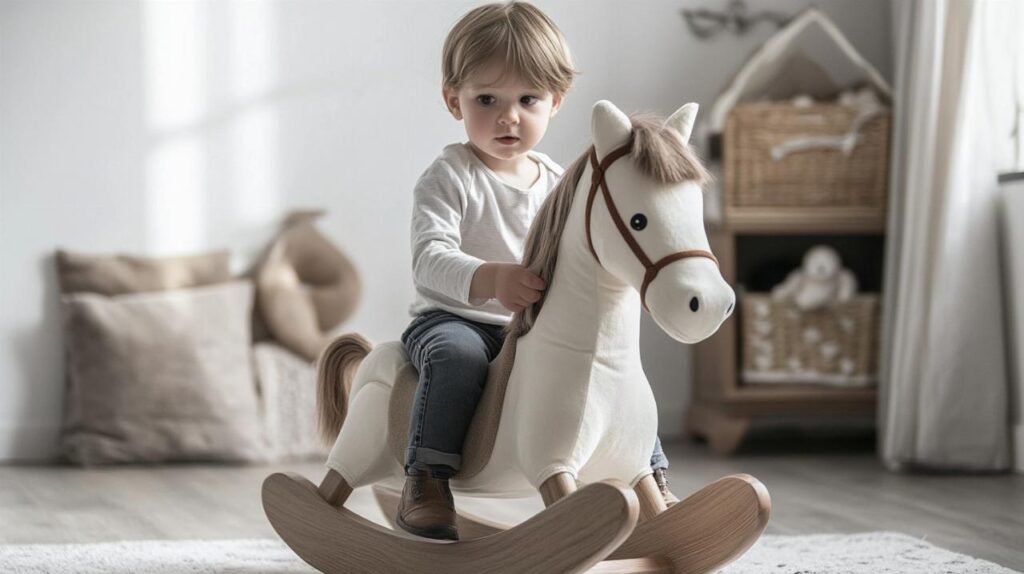
Choosing the right rocking horse for your child can feel like a delightful journey through childhood memories and modern-day parenting decisions. This classic toy remains a beloved staple in nurseries and playrooms across the country, offering not just entertainment but also developmental benefits. As you embark on selecting the perfect rocking companion for your little one, several important considerations will help guide your choice towards a toy that brings joy, safety, and lasting value to your family.
Age and Size Considerations for Your Little One
Matching the Rocking Horse to Your Nipper's Development Stage
Understanding your child's developmental stage is crucial when selecting a rocking horse that will truly suit their needs. The age suitability of these wonderful toys varies considerably, with different models designed specifically for various stages of early childhood. Baby rockers typically accommodate the youngest riders from around six months onwards, whilst more substantial models cater to children well into their primary school years. When considering toddler toys, it's essential to recognise that your little one's abilities and confidence will grow rapidly during these formative years. A rocking horse that seems perfect today might be outgrown sooner than you'd expect, which is why many parents opt for models that offer longevity across several developmental milestones.
Ensuring Proper Fit for Comfort and Safety
The seat height of a rocking horse serves as the most reliable indicator of whether a particular model will suit your child comfortably and safely. For the smallest riders from around six months, a seat height between twenty-eight and thirty-two centimetres typically works well, providing a secure position close to the ground. As children grow, models with seat heights progressing through thirty-four to forty centimetres for nine-month-olds, up to sixty-six centimetres for three-year-olds, ensure proper positioning. The weight capacity also demands attention, as baby rockers generally support children up to fifteen or twenty kilograms. Ensuring your child can comfortably reach any footrests whilst maintaining a secure seated position will make their rocking experience both enjoyable and safe, encouraging confident play that supports their physical development.
Assessing construction quality and sturdiness
What to Look for in a Well-Built Rocking Horse
The craftsmanship behind a rocking horse significantly influences both its safety and longevity, making construction quality a paramount consideration. Superior wooden rocking animals showcase meticulous attention to detail, with joints that fit seamlessly and finishes that feel smooth to the touch. Handcrafted models often exhibit a level of care that mass-produced alternatives simply cannot match, with each piece carefully shaped and assembled to create a toy that will withstand enthusiastic play. The stable design of a well-constructed rocking horse ensures it won't tip easily, even when your energetic youngster rocks with considerable enthusiasm. Examining how securely components attach to one another, checking for any rough edges or potential pinch points, and assessing the overall balance of the piece will reveal much about its quality.
Identifying potential safety concerns in construction
Vigilance regarding safety concerns in construction can prevent accidents and ensure peace of mind. Look carefully for any protruding screws, splinters, or sharp edges that might pose risks during play. The rocking mechanism itself, whether a classic bow rocker or glider base design, should operate smoothly without catching or jerking unexpectedly. Each type offers distinct advantages, with bow rockers providing that traditional rocking motion many of us remember from childhood, whilst glider-type bases often deliver a gentler, more controlled movement suitable for younger children. Ensure that all decorative elements are firmly attached and cannot be easily removed by curious little fingers. The structural integrity of the base deserves particular scrutiny, as this foundation supports all the dynamic forces generated during rocking and must remain solid and reliable throughout years of use.
Materials matter: durability and safety
Choosing non-toxic and child-safe materials
The materials used in constructing a rocking horse directly impact both its safety profile and environmental footprint. Non-toxic materials are absolutely essential when selecting children's toys, as little ones inevitably explore their world through touch and taste. Solid oak and solid pine represent excellent choices for wooden rocking animals, offering natural beauty alongside robust structural properties. These eco-friendly options not only provide peace of mind regarding chemical exposure but also contribute to a more sustainable approach to toy selection. Finishes and paints applied to the wood must meet rigorous safety standards, ensuring no harmful substances can transfer to your child during play. The timeless appeal of natural wood brings warmth to any room whilst offering a sensory experience that plastic alternatives simply cannot replicate.
Evaluating Long-Lasting Materials for Years of Play
Durability extends the value of your investment considerably, transforming a rocking horse from a temporary amusement into a cherished heirloom. Quality wooden rocking horses demonstrate remarkable longevity, often serving multiple children within a family before being passed along to the next generation. The value retention of well-crafted wooden pieces makes them economically sensible despite potentially higher initial costs. Premium materials resist the wear and tear of daily play, maintaining their structural integrity and aesthetic appeal through countless rocking sessions. Moreover, wooden rocking horses prove eminently repairable should minor damage occur, allowing simple fixes to restore them to perfect condition. This stands in stark contrast to many modern toys that become destined for landfill at the first sign of wear, making quality wooden rockers a more sustainable choice for environmentally conscious families.
Essential safety features to look for
Secure seats, footrests and easy-to-grip handles
Safety features integrated into a rocking horse's design provide the foundation for worry-free play and confident exploration. A secure seat represents perhaps the most critical element, offering sufficient support to keep your child comfortably positioned throughout their rocking adventures. Many models designed for the youngest riders incorporate protective rings or raised backs that prevent backwards tumbles whilst children develop their balance and coordination. Footrests serve dual purposes, providing a place for little feet whilst also encouraging proper posture during play. Easy-to-grip handles positioned within comfortable reach allow children to hold on confidently, giving them control over their rocking motion and helping develop their gross motor skills. These thoughtful additions transform a simple toy into a development tool that supports growing confidence and physical capabilities.
Additional safety elements that provide peace of mind
Beyond the fundamental safety features, several additional elements contribute to a thoroughly safe rocking experience. Products sold within the European market must meet CE Safety Standards, providing assurance that the toy has undergone rigorous testing for child safety. This CE certification indicates compliance with established safety requirements, offering parents confidence in their purchase. Some manufacturers go beyond minimum requirements, incorporating enhanced stability features or additional padding in strategic locations. The overall stable design of quality rocking horses ensures they remain firmly planted during use, whilst the width of the base prevents tipping during enthusiastic rocking sessions. Rounded edges throughout the design eliminate sharp corners that might cause injury, whilst smooth finishes prevent splinters and scrapes. These comprehensive safety considerations create a play environment where children can explore confidently whilst parents can relax knowing their little one is well protected.
Style and design: sparking your child's imagination

Traditional versus modern rocking horse designs
The style and design of a rocking horse can significantly influence how it captures your child's imagination and integrates into your home. Traditional designs evoke nostalgia with their classic horse forms, often featuring painted dappled grey coats, leather saddles, and flowing manes that recall simpler times. These vintage rocking horse styles carry a timeless quality that transcends passing trends, making them equally beloved by parents and children alike. Modern interpretations, however, offer fresh perspectives on this classic toy, with contemporary styling that complements today's interiors. Some manufacturers create rocking horses in unexpected colours or streamlined forms that appeal to minimalist sensibilities. The choice between traditional and modern often reflects personal taste, though both approaches can deliver equal measures of joy and imaginative play when executed with care and quality.
Choosing a design that encourages creative play
Beyond aesthetics, the design of a rocking horse influences the imaginative scenarios it inspires during play. Whilst traditional horses naturally encourage equestrian fantasies and countryside adventures, alternative animals expand the creative possibilities considerably. A unicorn rocker might transport your little one to magical realms, whilst a zebra rocker could inspire safari adventures and wildlife exploration. Brands like Nattou and Little Bird Told Me offer diverse ranges featuring various animals and characters, each bringing unique personality to playtime. Some designs incorporate realistic details that enhance the sensory experience, from textured manes to expressive faces that seem to invite interaction. Personalisation and customisation options allow you to create something truly special, whether adding your child's name or selecting specific colours and details. When you browse recommendations from other parents and retailers, you'll discover how different designs resonate with different children, helping you identify which style might best capture your own little one's imagination.
Learning from other parents' experiences
Where to Find Reliable Reviews and Recommendations
Gathering insights from other parents who have already navigated the rocking horse selection process can prove invaluable in making your own decision. Online retailers typically feature customer reviews that offer candid assessments of various models, highlighting both strengths and potential shortcomings. Parenting forums and social media groups dedicated to childhood toys provide spaces where mums and dads share their experiences and recommendations freely. Specialist retailers focusing on quality children's toys often curate their selections carefully, effectively pre-screening options for quality and safety. Reading detailed reviews helps identify practical considerations you might not have anticipated, from assembly challenges to how different children of various ages interact with specific models. These real-world perspectives complement manufacturer specifications, painting a more complete picture of what life with a particular rocking horse actually entails.
What parents really reckon about popular models
Understanding what parents genuinely think about popular models reveals insights that marketing materials rarely convey. Families who have invested in handcrafted wooden rocking horses frequently praise their durability and the way they become genuine family treasures rather than disposable toys. Many appreciate how quality pieces retain their value, with some antique rocking horse models commanding significant prices in vintage markets. Parents of multiple children often highlight how a single well-chosen rocking horse serves each child through different developmental stages, adapting to changing needs and abilities. Conversely, some reviews identify specific models that failed to meet expectations, perhaps lacking adequate stability or showing premature wear. Brands like MJ Mark receive particular mention for their suitability with older children, whilst others excel with toddlers and babies. These collective experiences from fellow parents provide a reality check against marketing claims, helping you make a genuinely informed decision based on proven performance rather than aspirational promises.
Space planning for your rocking horse
Measuring your available space before purchasing
Practical considerations regarding available space often influence which rocking horse ultimately makes sense for your family. Before falling in love with a particular model, take time to measure the area where you envision placing this new addition. Rocking horses require clearance not just for their footprint but also for the arc of motion they create whilst in use. A generous safety zone around all sides prevents collisions with furniture or walls during enthusiastic rocking sessions. Consider ceiling height as well, particularly if you're contemplating larger models designed for older children, as handles and head positions extend upward during use. Some homes naturally accommodate grand rocking horses that become statement pieces in nurseries or playrooms, whilst more compact living situations might benefit from smaller designs or those with more vertical than horizontal orientations. Accurate measurements prevent the disappointment of discovering your chosen rocking horse simply doesn't fit comfortably within your available space.
Choosing the Right Size for Your Home
Beyond mere physical dimensions, selecting the right size involves balancing your child's needs with your living environment. A rocking horse that dominates a small room might feel overwhelming, whilst a diminutive model could seem lost in a spacious playroom. Consider how the piece will integrate visually with your existing furniture and décor, as these toys often remain visible in living spaces rather than being tucked away after each use. Some families dedicate specific areas to active play equipment, making larger rocking horses perfectly appropriate, whilst others prefer pieces that blend more subtly into multi-purpose rooms. The size you choose also affects portability, with smaller models offering flexibility to move between rooms as needed. Think about whether you might want to relocate the rocking horse seasonally, perhaps bringing it indoors during winter or moving it to outdoor spaces when weather permits. These practical considerations ensure your selection enhances rather than complicates your daily living arrangements.
Setting a sensible budget
Understanding price ranges without breaking the bank
The price range for rocking horses spans remarkably wide territory, from modest investments to truly extravagant pieces. Understanding what drives these price variations helps establish realistic expectations and identify genuine value. At the accessible end, perfectly serviceable rocking horses can be found that deliver safety and enjoyment without requiring substantial financial commitment. These budget-friendly options often feature simpler construction and less elaborate detailing but can still provide years of happy play. Mid-range options typically showcase better craftsmanship, more durable materials, and enhanced features that justify their higher costs. Premium and luxury rocking horses command significant prices based on exceptional craftsmanship, superior materials like solid oak, extensive customisation options, or heritage brand names. Some extraordinary examples, such as pieces adorned with crystal embellishments, reach prices that position them as art objects rather than functional toys. Setting a sensible budget before beginning your search helps narrow options to those genuinely within reach whilst preventing impulse decisions you might later regret.
Finding quality options at various price points
Quality and price don't always correlate directly, meaning excellent rocking horses exist across the spectrum of investment levels. Savvy shopping involves identifying which features truly matter for your situation and which represent nice-to-have extras you can forgo. Brands from manufacturers like the Amish Outlet Store or DutchCrafters offer handcrafted quality with customisation possibilities, whilst other producers focus on delivering solid basics without premium pricing. Consider that shipping costs can significantly impact total expenditure, particularly for substantial wooden pieces that require careful packaging and handling. Some retailers specify extended timeframes for delivery, especially for custom or made-to-order pieces, which might influence your decision if you're working within specific timelines. Pre-owned options present another avenue for accessing quality at reduced prices, with many vintage and antique rocking horses offering character and craftsmanship at fractions of their original costs. Whatever your budget, prioritising safety standards, appropriate sizing, and materials that align with your values ensures your investment delivers genuine worth beyond mere monetary considerations, creating memories and joy that far exceed any price tag.