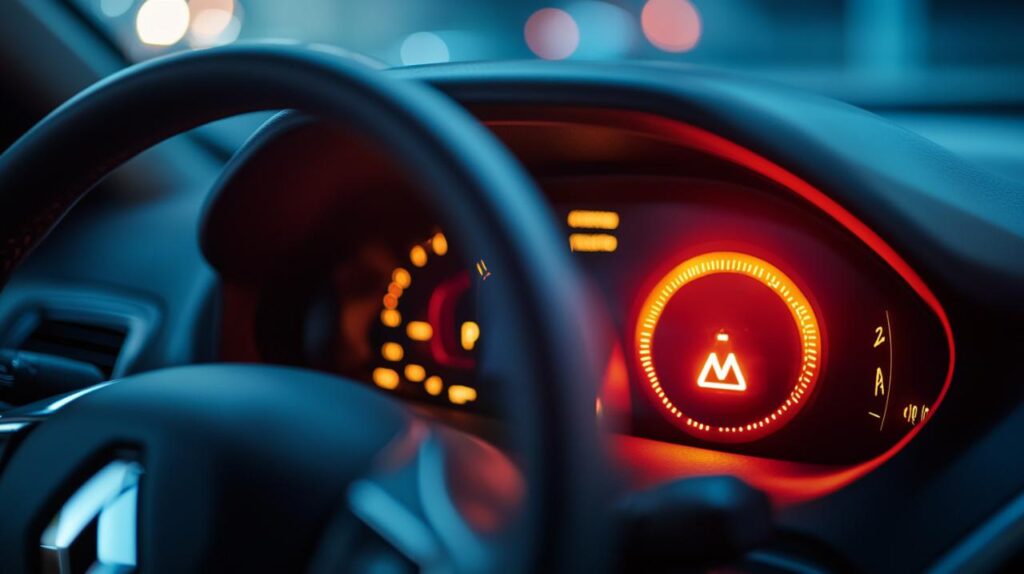
When the injection warning light illuminates on your Renault Megane's dashboard, it signals that something requires attention within the engine or fuel delivery system. This indicator, often accompanied by an orange engine symbol, can appear for various reasons ranging from minor sensor glitches to more serious mechanical faults. Understanding what this warning means and knowing which components to inspect can save time and prevent further damage to your vehicle. Whether you drive a Megane II Estate or a newer model, recognising the symptoms and taking prompt action is essential for maintaining optimal performance and avoiding costly repairs down the line.
Understanding the Injection Warning Light and Initial Dashboard Diagnostics
Recognising dashboard error messages and warning indicators
The injection warning light typically appears as an orange engine symbol on your dashboard, sometimes accompanied by messages such as check injection or anti pollution system fault. These warnings are not limited to the Megane alone; they are common across various Renault models including the Clio, Captur, Scenic, Kadjar, Talisman, and Koleos. When this light turns on, it indicates that the engine control unit has detected an irregularity in the fuel injection or emission control systems. Even if the warning light switches off after a short period, it is crucial to investigate further because the ECU stores error codes that can reveal underlying issues. Owners of the Megane II have reported that after replacing components such as the EGR valve, the warning light may reappear, especially during high-speed driving or when the engine is pushed beyond moderate revs. This persistent behaviour suggests that the initial repair may not have fully resolved the problem or that additional faults exist within related systems.
Identifying common symptoms: power loss and engine performance issues
Alongside the illuminated warning light, many drivers notice a marked decline in engine performance. Symptoms often include sluggish acceleration, particularly when attempting to rev beyond two thousand five hundred RPM, jerking during gear changes, or a general lack of responsiveness when pressing the accelerator. These issues can become more pronounced at higher speeds or under heavy load, making motorway driving both uncomfortable and potentially unsafe. If you experience severe jerking or significant power loss, it is advisable to pull over safely and arrange for professional assistance rather than continuing your journey. Even when the engine appears to run normally, driving cautiously to a nearby garage is recommended to avoid exacerbating the fault. Delaying diagnosis can lead to more extensive damage, turning what might be a straightforward repair into a far more expensive endeavour. Keeping a record of when and where the warning light appears, along with details such as your vehicle's registration and mileage, can help mechanics pinpoint the source of the problem more efficiently.
Critical Components to Inspect: EGR Valve, Glow Plugs, and Fuel Injectors
Examining the EGR Valve and Its Impact on Renault Megane Performance
The exhaust gas recirculation valve, commonly known as the EGR valve, plays a vital role in reducing emissions by redirecting a portion of exhaust gases back into the engine's intake. Over time, carbon deposits can accumulate within the valve, restricting its movement and causing it to become clogged. A malfunctioning EGR valve is one of the most frequently cited causes of injection warning lights in Renault vehicles. Owners of the Megane II Estate have shared experiences of paying significant sums to replace this component, only to find that the warning light returns after a short period of driving. This recurrence suggests that cleaning the valve rather than replacing it might sometimes be sufficient, or that other related parts require attention. In some cases, water damage to the engine control module has been identified as a contributing factor, necessitating the replacement of the UPC or computer board. Thoroughly inspecting the EGR valve for blockages and ensuring that all electrical connections are secure can prevent ongoing issues and restore smooth engine operation.
Assessing glow plugs, ignition system, and sensor functionality
Beyond the EGR valve, several other components warrant careful examination when the injection warning light activates. Faulty glow plugs can cause starting difficulties and rough idling, particularly in diesel engines, and may trigger warning indicators on the dashboard. The ignition coil is another critical element; a misfire detected by the ECU scanner often points to a failing coil that needs replacement. Sensors responsible for monitoring air flow, fuel pressure, and exhaust emissions can also develop faults, sending incorrect data to the engine control unit and prompting warning lights to appear. Using an OBD-II scanner to read fault codes is an invaluable step in diagnosing these issues accurately. Even after warning lights have extinguished, the ECU retains a record of the error codes, allowing mechanics to identify intermittent faults that might not be immediately obvious. Fuel injectors themselves can become blocked or wear out over time, leading to poor fuel delivery and incomplete combustion. Regular inspection and maintenance of these components can prevent many of the problems associated with injection warning lights and help maintain the overall health of your fuel system.
When to Seek Professional Assistance and Preventative Maintenance Strategies
Documenting fault details: date, location, and registration information
When faced with a persistent or recurring injection warning light, documenting specific details about each occurrence can greatly assist in diagnosis. Note the date, time, location, and driving conditions when the light appears, as well as your vehicle's registration number and current mileage. This information can reveal patterns, such as faults occurring only at high speeds or after extended periods of idling, which can guide mechanics towards the root cause. If you lack access to diagnostic tools or find interpreting fault codes challenging, seeking help from a professional garage is the most prudent course of action. Mechanics equipped with advanced diagnostic equipment can read and analyse ECU error codes, perform live data monitoring, and conduct thorough inspections of all relevant systems. Attempting to clear fault codes without addressing the underlying issue may temporarily extinguish the warning light, but the problem will inevitably resurface, potentially causing further damage. Disconnecting the battery for ten to fifteen minutes can reset the warning lights after repairs have been completed, but this should only be done once you are confident that the fault has been properly resolved.
Implementing regular checks to prevent injector-related failures
Preventative maintenance is the cornerstone of avoiding injector-related failures and ensuring long-term reliability of your Megane. Regular servicing should include inspection of the fuel system, cleaning or replacement of air and fuel filters, and checks of the EGR valve and diesel particulate filter where applicable. Monitoring fuel consumption can also provide early warning of developing issues; a sudden increase in consumption may indicate inefficient combustion or a blocked injector. Keeping the engine bay clean and free from debris helps prevent water ingress and corrosion of electrical components, which can lead to faults such as those caused by water damage to the UPC. Addressing minor issues promptly, before they escalate into major problems, can save considerable expense and inconvenience. If warning lights reappear persistently after initial repairs, further professional diagnosis is necessary to identify any additional faults that may have been overlooked. By combining vigilant observation with regular maintenance and timely professional intervention, you can keep your Megane running smoothly and reduce the likelihood of encountering recurring injection warning lights and associated performance issues.