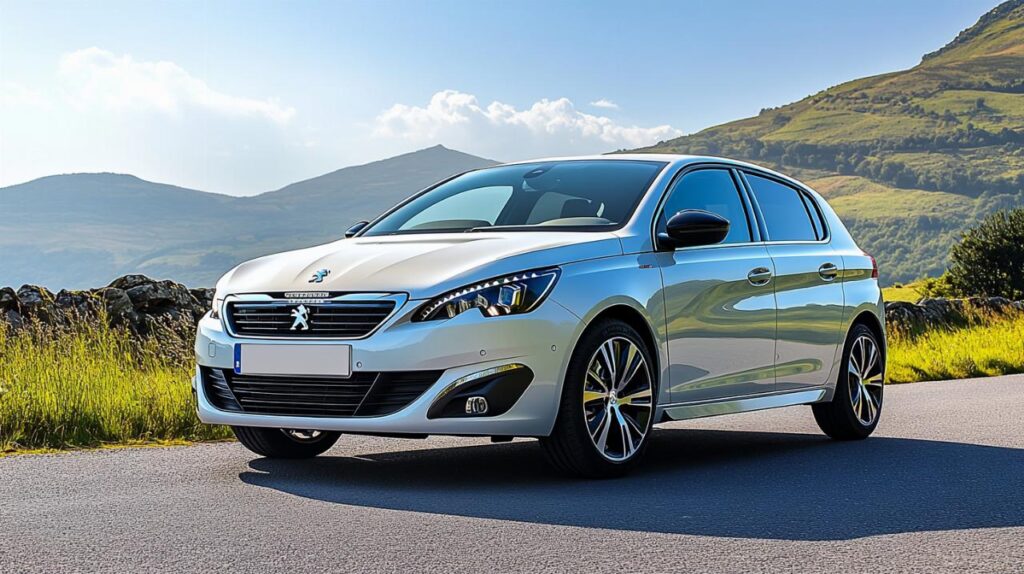
The Peugeot 308 has secured its position as a formidable contender in the competitive hatchback market, offering a blend of style, practicality, and a diverse range of powertrains to suit various driving needs and budgets. For those considering taking the plunge into a leasing arrangement in 2024, understanding the complete picture of available configurations, associated costs, and the equipment you can expect is essential to making an informed decision that aligns with your personal requirements and financial considerations.
Understanding the 2024 Peugeot 308 Model Range and Trim Levels
Breaking Down the Available Trim Levels: From Active to GT
Navigating the Peugeot 308 lineup reveals a thoughtfully structured range of trim levels, each designed to cater to different preferences and priorities. The entry point typically provides a solid foundation of features, whilst higher specifications gradually introduce more sophisticated comfort, style, and technological enhancements. Moving through the Allure grade, buyers will encounter a noticeable step up in interior ambiance and equipment, making it a popular choice for those seeking a balance between value and refinement. The GT designation sits towards the top of the hierarchy, delivering a sportier aesthetic and a more comprehensive suite of driver aids and convenience features. Each trim level has been carefully configured to offer a distinct character, ensuring that whether your priority is cost-effectiveness or a more luxurious experience, there is a variant to match. Understanding these distinctions is crucial when evaluating lease deals, as monthly payments will naturally reflect the level of equipment and prestige associated with each grade. The total package, including elements such as air conditioning, navigation, and advanced safety systems, will vary across the range, so it is worth examining what is included as standard versus what might be an optional extra or part of a higher trim.
Petrol, diesel, and hybrid powertrains: which configuration suits your needs?
The 2024 Peugeot 308 offers a diverse selection of powertrains, providing flexibility for different driving patterns and environmental considerations. The mild hybrid petrol engine, with its 1.2-litre capacity producing 143 brake horsepower, represents an efficient and responsive option for everyday use, achieving acceleration from zero to 62 miles per hour in 8.8 seconds and delivering fuel economy figures that can exceed 60 miles per gallon in mixed driving conditions. For those who cover higher mileages or prefer the characteristics of compression ignition, the 1.5-litre diesel engine offers 129 brake horsepower and promises strong fuel efficiency, though actual consumption will vary depending on factors such as driving style, road conditions, and the weight of the vehicle, including any additional options or equipment fitted. The plug-in hybrid variant, known as the PHEV, combines a 1.6-litre petrol engine with an electric motor, delivering a combined output of 193 brake horsepower and a zero to 62 miles per hour time of 7.6 seconds. This configuration is equipped with a 14.6 kilowatt-hour usable battery, offering an approved electric-only range of up to 53 miles under WLTP cycle testing, though real-world autonomy will be influenced by usage patterns, climatic conditions, heating and air conditioning function, speed, and the type of tyres fitted. Charging times for the PHEV are approximately four hours and 20 minutes using a 3.4 kilowatt charger, or around two hours and five minutes with an optional 7.4 kilowatt home wallbox, making it a practical choice for those with access to regular charging facilities. The fully electric e-308 model, featuring a 54 kilowatt-hour battery, extends the range further with a claimed autonomy of up to 267 miles and a zero to 62 miles per hour acceleration time of 9.8 seconds. Charging an electric vehicle like this can be accomplished in under 7.5 hours with a standard 7.4 kilowatt home wallbox, or in approximately 30 minutes from 20 to 80 percent using a 100 kilowatt rapid charger, making it a compelling option for those looking to reduce emissions and running costs. It is important to note that indicated fuel economy, battery range, and emissions figures are determined under controlled laboratory conditions and actual performance will be affected by a range of factors including driving behaviour, road type, ambient temperature, and vehicle condition.
What you'll actually pay: 2024 peugeot 308 pricing structure explained
List Prices Across the Range: What's Included and What Costs Extra
When it comes to understanding the financial commitment involved in acquiring a Peugeot 308, the recommended retail price serves as a useful starting point, with figures ranging from approximately £29,995 to £41,435 across the various trim levels and powertrain options. However, it is worth noting that the market often offers opportunities for savings, with dealers and online platforms such as Carwow reporting average discounts of around £5,964 off the RRP, bringing cash purchase prices down to starting points of approximately £25,068. These values provide a general indication, but the final amount you pay will be influenced by the specific model you choose, the options and packages you select, and the current promotional offers available. Standard equipment levels are generally competitive, with even entry-level models including essential features such as rear parking sensors and a reversing camera, while higher trims like the GT add front parking sensors and the GT Premium introduces a comprehensive 360-degree camera system for enhanced manoeuvring confidence. The infotainment system, centred around a 10-inch touchscreen, is a fixture across the range, providing access to functions such as radio, navigation, and smartphone connectivity, although some users have noted that the interface can occasionally be slow to respond. Optional extras and packages are available to further personalise your vehicle, covering areas such as enhanced audio systems, upgraded upholstery, and advanced driver assistance technologies. When configuring your desired specification, it is essential to consider how these additions will affect the total price, as well as the weight they may add to the vehicle, which can in turn have a minor impact on fuel consumption and emissions. All prices are typically quoted including VAT, ensuring transparency in the final cost to the consumer.
Leasing Options and Monthly Costs: Making Sense of Your Budget
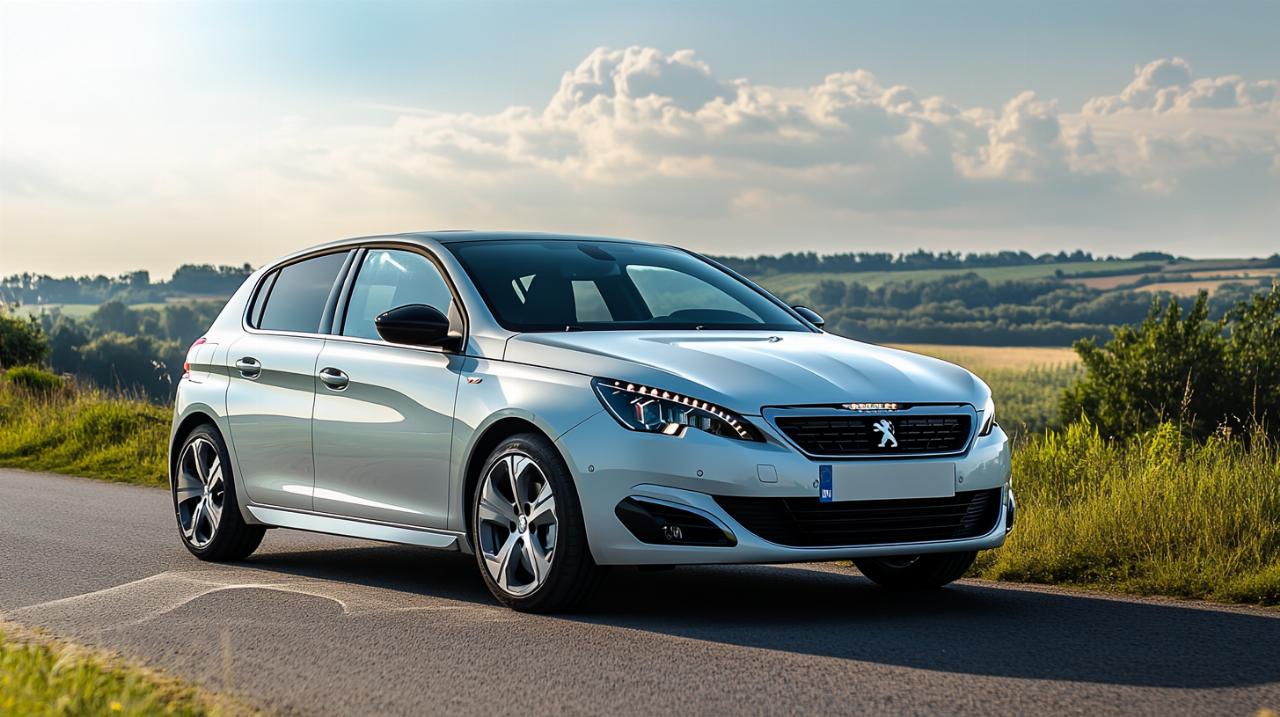
Car leasing has become an increasingly popular route for motorists seeking to drive a new vehicle without the commitment of outright ownership, and the Peugeot 308 presents a compelling case in this regard. Lease deals for the 308 commence from around £305 per month according to some providers, whilst others advertise rates starting from £497 per month, with the variation reflecting differences in contract length, annual mileage allowance, and initial payment levels. For instance, the lower figure may be based on a longer contract with a higher deposit, whereas the higher monthly cost might offer more favourable terms in other areas. It is crucial to scrutinise the details of any leasing agreement, paying close attention to the number of months over which the contract runs, the total mileage permitted, and the amount of any advance payment required. Monthly payments will also be influenced by the trim level and powertrain selected, with the plug-in hybrid and fully electric variants typically commanding higher rates than the mild hybrid petrol or diesel models due to their more advanced technology and higher list prices. Van leasing is also offered by some providers for Peugeot's commercial vehicle range, which includes both electric and diesel versions, catering to business users seeking similar flexibility. When evaluating leasing as a financing method, it is important to consider your typical driving patterns to ensure the mileage allowance is adequate, as exceeding this limit can result in additional charges at the end of the agreement. Furthermore, understanding the condition requirements for the vehicle upon return is essential to avoid unexpected fees for wear and tear beyond what is considered acceptable usage.
Standard Kit and Optional Extras: What Equipment Comes with Your 308
Core features across all models: safety, comfort, and technology
The Peugeot 308 benefits from a well-considered array of standard equipment designed to deliver a satisfying ownership experience from the outset. Across the entire range, buyers can expect a generous provision of safety features, with all models incorporating rear parking sensors and a reversing camera as standard, providing valuable assistance in tight spaces and reducing the risk of minor collisions. The vehicle was awarded a four-star safety rating by Euro NCAP in 2022, reflecting a comprehensive suite of active and passive safety systems designed to protect occupants and mitigate the severity of accidents. Inside the cabin, the visual appeal is enhanced by high-quality materials and a modern design ethos, although it is worth noting that some lower surfaces feature harder plastics that may feel less premium to the touch. The driving position is distinctive, characterised by a high-set digital instrument panel positioned above a compact steering wheel, a layout that may not suit all drivers but offers an uncluttered view of critical information. Comfort is supported by effective heating and air conditioning systems, ensuring a pleasant environment regardless of external climatic conditions. The infotainment system, featuring a 10-inch touchscreen, is a central hub for navigation, radio, and connectivity functions, though some users have observed that it can occasionally exhibit slower response times. Front seat occupants will find ample space, although rear seat passengers may experience more restricted legroom and headroom, particularly taller individuals, which is a consideration for those who frequently carry adult passengers. Boot space is generous for the mild hybrid and diesel versions at 412 litres, providing sufficient capacity for everyday needs and moderate luggage requirements, although this figure reduces to 314 litres for the plug-in hybrid due to the battery pack's positioning, which may impact practicality for those needing maximum cargo capacity.
Popular optional extras and packages worth considering
Beyond the standard equipment, Peugeot offers a selection of optional extras and packages that allow buyers to tailor their 308 to their specific tastes and requirements. These enhancements can range from aesthetic upgrades such as different wheel designs and exterior paint finishes, to functional additions like upgraded audio systems and premium interior trim materials. For those prioritising convenience, packages that bundle together features such as advanced driver assistance systems, enhanced lighting technology, and improved connectivity options can represent good value and streamline the configuration process. It is also worth considering the optional 7.4 kilowatt charger for the plug-in hybrid and electric models, as this significantly reduces charging time compared to the standard 3.4 kilowatt unit, offering greater flexibility and minimising downtime. When selecting optional extras, it is important to weigh the additional cost against the perceived benefit and how frequently the feature will be used, as some options may add considerable expense without delivering proportional value for every driver. The total weight of additional equipment can also have a marginal impact on fuel consumption and emissions, particularly in the petrol and diesel models, although this effect is typically minimal and unlikely to significantly alter the overall efficiency of the vehicle. Servicing is another area where Peugeot offers attractive packages, with a promotional offer of three years of servicing for £199, subject to a 30,000-mile limit, which can provide peace of mind and budget certainty for those planning to keep the vehicle for an extended period. Service intervals vary by fuel type, with petrol engines typically requiring attention every year or 12,500 miles, hybrid and plug-in hybrid variants every year or 16,000 miles, diesel engines every year or 20,000 miles, and electric vehicles following an initial service at one year or 8,000 miles, then every two years or 16,000 miles thereafter, ensuring that your vehicle remains in optimal condition throughout its life.