Keeping your motor in proper working order isn't just about avoiding inconvenient breakdowns on the side of the road; it's about ensuring your safety and the safety of others whilst getting the most out of your vehicle for years to come. Many drivers overlook simple checks that can prevent costly repairs and keep their car running smoothly through all seasons. Understanding the fundamentals of vehicle care and committing to a regular routine can make all the difference, turning what might seem like a chore into a straightforward habit that pays dividends in reliability and peace of mind.
Regular servicing and fluid checks
Why routine servicing keeps your motor running smoothly
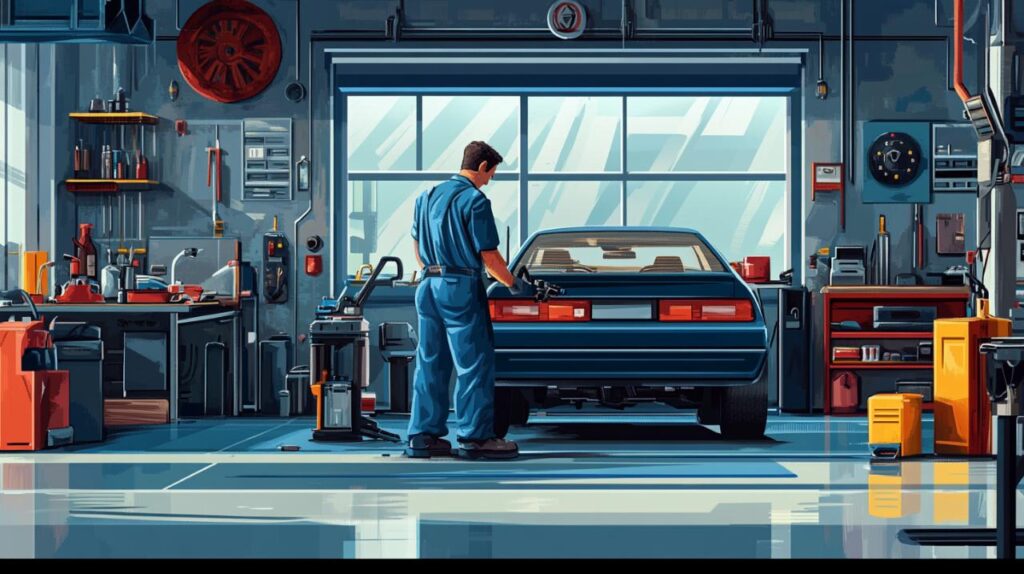
Scheduling regular servicing is one of the most effective automobile maintenance tips you can follow to ensure your vehicle remains dependable. A professional service typically includes a comprehensive inspection of key components, from the engine and transmission to the exhaust and electrical systems. These checks can identify potential issues before they escalate into serious problems, saving you a considerable amount of money and preventing unexpected breakdowns. Following the manufacturer's recommended service schedule is essential, as it takes into account the specific needs of your make and model. Many experts suggest that arranging a service midway between MOT tests can be particularly beneficial, as it provides an additional opportunity to catch any developing faults. Major chains often offer what they term a full service, which usually includes an oil and oil filter change along with an air filter replacement, though it's worth clarifying exactly what's covered before booking. The AA, for instance, provides servicing with a one-year or twelve-thousand-mile guarantee on both parts and labour, giving you added confidence in the work carried out. Regular servicing not only maintains your vehicle's performance but also helps preserve its resale value, as a comprehensive service history is a strong selling point when the time comes to upgrade.
Monitoring oil and coolant levels properly
Engine oil is the lifeblood of your motor, lubricating moving parts, cooling the engine, cleaning away debris, and protecting against corrosion. Checking your oil level at least once a month is a simple yet crucial task that can prevent serious engine damage. When checking, ensure the vehicle is parked on level ground and the engine has been off for a few minutes to allow the oil to settle. The oil should appear clear and amber; if it looks dark or gritty, it's time for a change. Most manufacturers recommend oil changes every six thousand miles, though this can vary depending on your driving habits and the type of oil used. Changing the oil filter is equally important, as it traps contaminants that would otherwise circulate through the engine. Some enthusiasts even suggest changing the oil filter between services to keep the oil cleaner for longer. For those covering more than eight thousand miles a year, especially in diesel vehicles, an additional oil change can help maintain optimal engine performance. Coolant, or antifreeze, is another vital fluid that prevents the engine from overheating and protects against freezing in cold weather. It's advisable to check coolant levels every few months and top up as necessary, using the correct mixture of antifreeze and water. Coolant should be changed every three years, as it degrades over time and loses its effectiveness. Brake fluid is another fluid that demands attention; it absorbs moisture over time, which can reduce braking efficiency and lead to corrosion within the braking system. Replacing brake fluid according to the manufacturer's recommendations, typically every two years, is a sensible precaution. Transmission fluid, screen wash, and power steering fluid should also be monitored regularly. Keeping all fluid levels in check and topping them up when needed is a straightforward way to prevent a host of mechanical issues and ensure your vehicle operates safely and efficiently. Never overfill any fluid system, as this can cause just as many problems as running low.
Tyre pressure and brake maintenance
Maintaining correct tyre pressures for safety
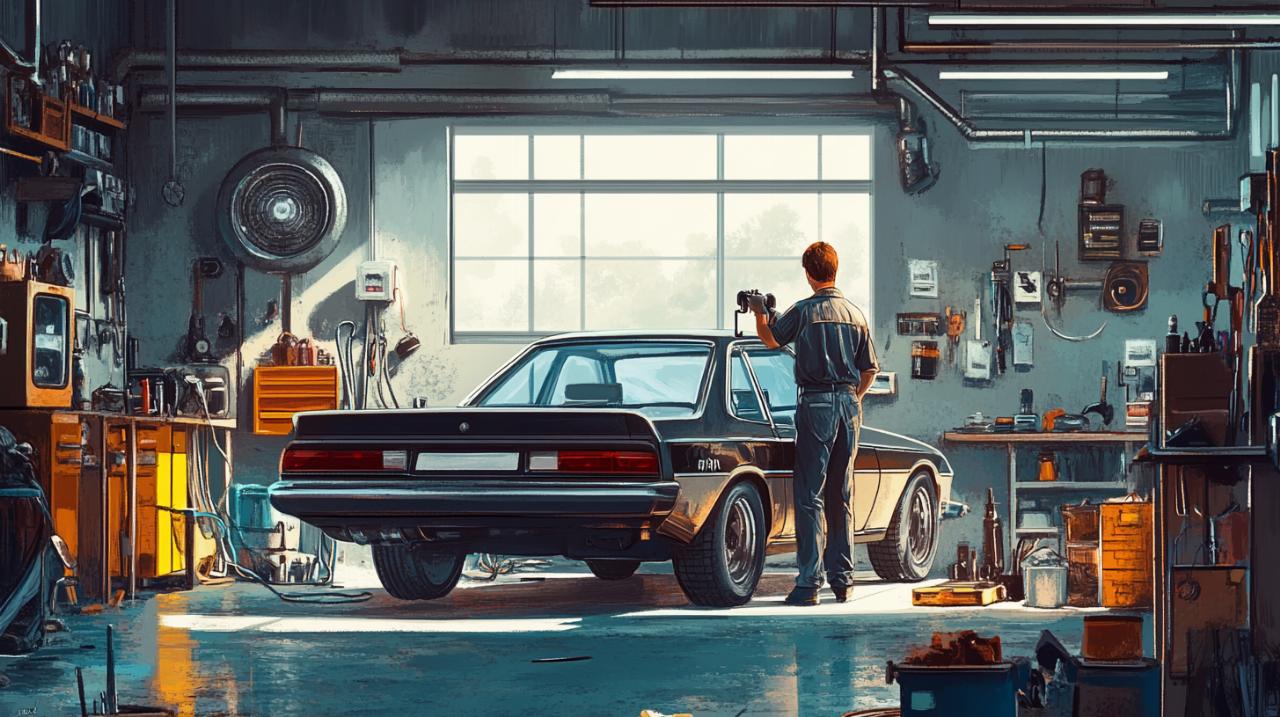
Tyres are your only contact with the road, making their condition and pressure critical to your safety. Checking tyre pressure every fortnight, or at least once a month, is a habit that can prevent blowouts, improve fuel efficiency, and ensure even tread wear. All vehicles manufactured after November 2014 are equipped with a tyre pressure monitoring system, known as TPMS, which alerts you when pressures drop below safe levels. However, relying solely on this system isn't enough; manual checks with a reliable gauge provide a more accurate reading and allow you to spot any slow leaks or damage. Tyres should be checked when cold, as pressure increases with heat generated during driving. Underinflated tyres wear more quickly on the outer edges and can lead to poor handling, increased fuel consumption, and a greater risk of a puncture. Overinflation, on the other hand, causes wear in the centre of the tread and reduces the tyre's contact patch, compromising grip and stability. Some drivers mistakenly overinflate tyres in an attempt to save fuel, but this practice is dangerous and can significantly increase stopping distances. For long journeys or when carrying a heavy load, inflate tyres to the recommended loaded pressures specified in your vehicle's handbook. Tread depth is equally important; using a twenty-pence coin is a quick and easy way to check if your tyres meet the legal minimum. Insert the coin into the tread grooves; if the outer rim is visible, the tyre may be illegal and should be replaced immediately. Uneven wear patterns can indicate underlying issues such as wheel misalignment or suspension problems. Wear on one side suggests alignment is out, wear on both edges points to underinflation, and excessive wear in the centre indicates overinflation. Rotating tyres at service intervals helps promote even wear and prolongs their lifespan. On front-wheel-drive cars, swapping tyres from side to side can be beneficial, and when fitting new tyres, it's generally recommended to place them on the rear axle to maintain stability. Replacing two tyres on the same axle is more cost-effective than changing all four at once, provided the remaining tyres are in good condition. Regular tyre checks, combined with proper inflation and rotation, ensure maximum safety and performance.
Inspecting your braking system regularly
Your brakes are inspected annually during the MOT, but waiting a full year between checks isn't advisable given how critical they are to your safety. Listening for unusual sounds, such as squealing or grinding, can be an early warning sign that brake pads are worn and need replacing. If you notice your vehicle pulling to one side when braking, a spongy or unresponsive brake pedal, vibrations through the steering wheel, or a burning smell after braking, it's essential to have the system checked immediately. Longer stopping distances are another red flag that should never be ignored. Many garages, including the AA, offer free brake checks, providing peace of mind and the opportunity to address any issues before they become dangerous. Brake pads wear down over time and should be replaced before they become too thin, as worn pads can damage the discs, leading to more expensive repairs. Brake fluid, as mentioned earlier, should be changed according to the manufacturer's schedule to prevent moisture buildup, which can reduce braking efficiency and cause corrosion. Regular inspections and prompt attention to any warning signs ensure your braking system remains reliable and effective. Beyond brakes, other components such as the clutch in manual vehicles also require attention. Avoiding resting your foot on the clutch pedal or your hand on the gear stick can prevent premature wear and transmission problems. Free clutch inspections are often available and can help identify issues before they lead to a breakdown. Keeping your windscreen clean is another simple yet often overlooked aspect of vehicle maintenance. A dirty or smeared windscreen can obscure your vision and result in a fine of up to a thousand pounds. Using white spirit or methylated spirit can effectively remove stubborn grime that regular screen wash might not shift. Wiper blades should be replaced when they start to streak or leave sections of the windscreen uncleaned, as good visibility is essential for safe driving. The battery is another frequent cause of breakdowns, particularly for vehicles that aren't driven regularly. Using a battery monitor or trickle charger can help maintain charge levels, and most car batteries last between three and five years, so replacing them before they fail can save you from being stranded. Checking for corrosion, cracking, leaks, or bulging around the battery terminals is straightforward and can prevent starting problems. Dim headlights may indicate a battery or charging system issue, and free battery checks are widely available. Air filters should be inspected regularly, as a clogged filter restricts airflow to the engine, reducing performance and fuel efficiency. If the filter appears dark or heavily soiled, it's time for a replacement. Diesel vehicles fitted with a diesel particulate filter, or DPF, require occasional longer runs on the motorway to burn off accumulated soot and prevent blockages. Electric vehicles also need regular attention, and plugging them in at least once a month keeps the systems functioning correctly even when not in use. Cleaning your vehicle regularly, both inside and out, not only keeps it looking smart but also helps prevent corrosion, particularly in areas where road salt and grime accumulate. Be mindful not to drain the battery by leaving the radio or lights on while washing. Cars parked for extended periods can attract unwanted visitors such as rodents, so checking under the bonnet and around the wheels for signs of nesting is a sensible precaution. Remembering the acronym FLOWER can help you keep track of the basics: Fuel, Lights, Oil, Water, Electrics, and Rubber. Following a consistent routine, being attentive to any changes in how your vehicle sounds or handles, and addressing issues promptly are the cornerstones of effective vehicle care. By committing to these practices, you'll enjoy safer, smoother journeys and avoid the inconvenience and expense of unexpected repairs.