Maintaining your Renault Espace 3 involves staying on top of routine tasks that keep the vehicle safe and roadworthy, and one of the most critical aspects of that maintenance is ensuring the braking system remains in excellent working order. Over time, brake pads naturally wear down due to the friction generated when you apply the brakes, and replacing them before they become too thin is essential for your safety and that of your passengers. This guide walks you through the process of replacing the brake pads on your Renault Espace 3, covering everything from recognising when the pads need changing to the precise techniques and torque settings required for a professional finish.
Understanding Your Renault Espace 3 Braking System and When Replacement is Necessary
The braking system on the Renault Espace 3 is designed to provide reliable stopping power under a variety of driving conditions, whether you're navigating busy city streets or cruising along motorways. At the heart of this system are the brake pads, which press against the brake discs to create the friction needed to slow down or stop the vehicle. Over time, the material on the pads wears away, and if left unchecked, this wear can lead to reduced braking performance and even damage to the discs themselves. Understanding how this system works and knowing when it's time to replace the pads is the first step in keeping your Espace safe on the road.
Recognising the Signs Your Brake Pads Need Replacing on the Espace 3
There are several telltale signs that indicate your Renault Espace 3 may be due for new brake pads. One of the most obvious is a squealing or grinding noise when you apply the brakes, which often suggests that the pads have worn down to the metal backing plate. If you hear a high-pitched squeal, it's usually the built-in wear indicator letting you know that the pads are nearing the end of their useful life. Another sign is a noticeable increase in the distance it takes to bring the vehicle to a complete stop, which can indicate that the pads no longer have enough material to generate sufficient friction. Additionally, if you feel vibrations or pulsations through the brake pedal when braking, this could point to unevenly worn pads or issues with the brake discs. It's also worth checking the brake fluid level regularly, as a drop in fluid can sometimes be associated with worn pads allowing the caliper pistons to extend further than normal.
Common Faults with Renault Espace 3 Brake Discs and Calipers
While brake pad replacement is a routine task, it's important to be aware of other common faults that can affect the Renault Espace 3 braking system. The brake discs, for example, can develop grooves or scoring over time if the pads are allowed to wear down too far, and in some cases, the discs may warp due to excessive heat buildup. This warping can lead to juddering or vibrations when braking, and in severe cases, the discs may need to be replaced alongside the pads. The calipers, which house the pistons that push the brake pads against the discs, can also develop issues such as seized pistons or leaking seals. A seized caliper can cause uneven brake pad wear, where one pad wears much faster than the other, while a leaking seal can result in brake fluid loss and reduced braking efficiency. Regular inspections and addressing these issues promptly can save you money and ensure that your braking system continues to perform as intended.
Step-by-Step Guide to Replacing Brake Pads on Your Renault Espace 3
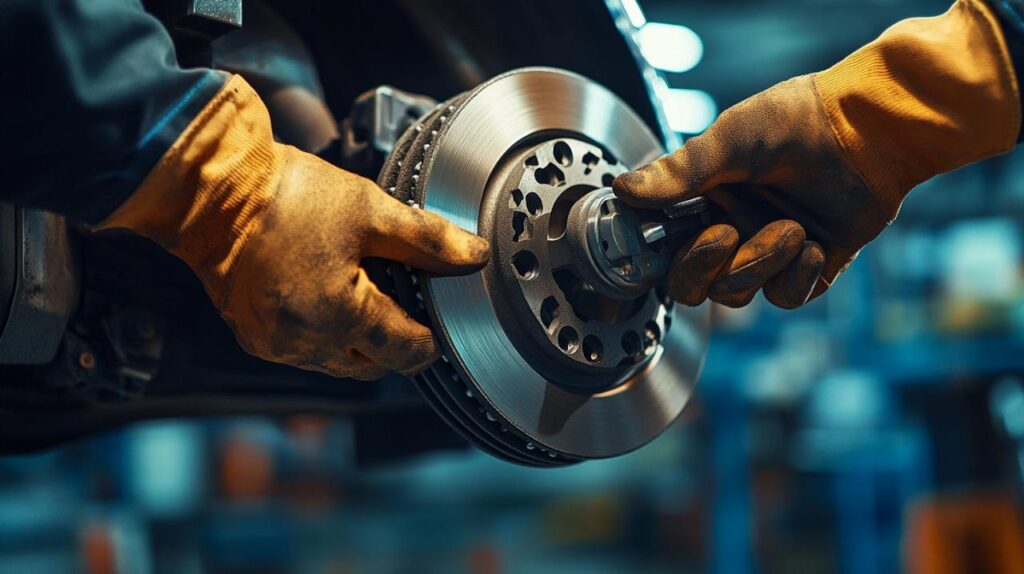
Replacing the brake pads on your Renault Espace 3 is a task that can be undertaken by a competent home mechanic with the right tools and a bit of patience. The process involves safely lifting the vehicle, removing the wheels, and then carefully dismantling the caliper assembly to access the old pads. Once the old pads are removed, you'll need to retract the caliper pistons to make room for the new, thicker pads before reassembling everything in the reverse order. Throughout this process, it's crucial to follow the correct torque settings and installation techniques to ensure that the brakes function safely and effectively. This section breaks down each step in detail, providing you with the confidence to tackle the job yourself.
Tools Required and Proper Torque Settings for Brake Pad Installation
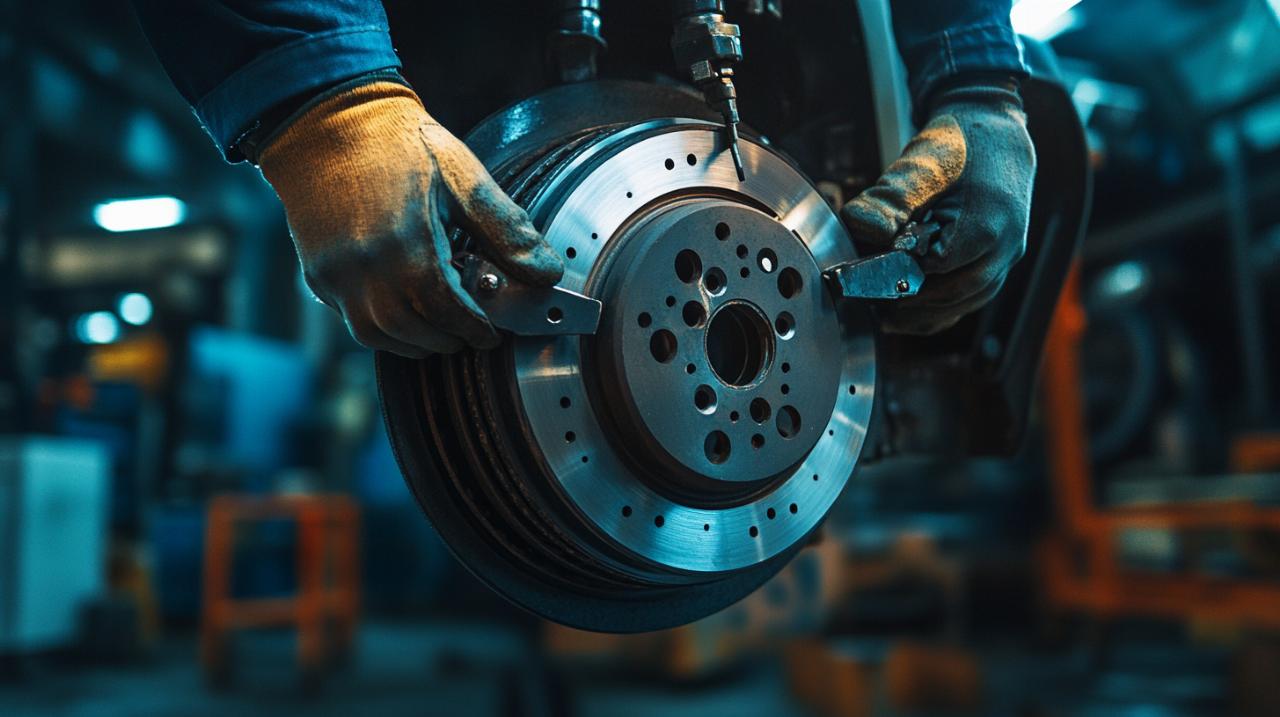
Before you begin, gather all the necessary tools to make the job as straightforward as possible. You'll need a jack and axle stands to lift and support the vehicle securely, along with a wheel brace or socket set to remove the wheels. A set of spanners or sockets will be required to remove the caliper bolts, and a piston rewind tool or a large C-clamp is essential for retracting the caliper pistons. It's also wise to have a torque wrench on hand, as tightening the caliper bolts to the manufacturer's specifications is critical for safe operation. For the Renault Espace 3, the typical torque setting for the caliper mounting bolts is around twenty-five to thirty Newton metres, though it's always best to consult your vehicle's service manual to confirm the exact figure for your model. Additionally, keep a container of brake fluid nearby in case you need to top up the reservoir after retracting the pistons, and have some copper grease or anti-seize compound ready to apply to the back of the new pads and the caliper slides to prevent squealing and ensure smooth operation.
Installation techniques and checking brake fluid levels during maintenance
Once you've gathered your tools, start by loosening the wheel bolts slightly before lifting the vehicle. Jack up the car and secure it on axle stands, then remove the wheel to expose the brake caliper and disc. Next, locate the caliper mounting bolts and remove them, taking care not to damage any surrounding components. With the bolts removed, you should be able to lift the caliper away from the disc, though it will still be attached by the brake hose, so handle it gently and avoid putting strain on the hose. The old brake pads can now be removed from the caliper carrier, and you may notice that they've worn down significantly compared to when they were new. Before installing the new pads, you'll need to retract the caliper pistons to accommodate the increased thickness. Use a piston rewind tool or a C-clamp to push the pistons back into the caliper body, but keep an eye on the brake fluid reservoir as doing so will cause the fluid level to rise. If the reservoir is already near the maximum mark, you may need to remove a small amount of fluid to prevent it from overflowing. Once the pistons are fully retracted, apply a thin layer of copper grease to the back of the new pads and fit them into the caliper carrier, ensuring that any wear indicators are positioned correctly. Refit the caliper over the new pads, tighten the mounting bolts to the specified torque setting, and then replace the wheel. Lower the vehicle to the ground, tighten the wheel bolts fully, and then pump the brake pedal several times to bring the pads into contact with the discs before taking the car for a test drive. During this initial drive, brake gently to allow the new pads to bed in properly, and avoid heavy braking for the first few miles.
Getting professional service: garage quotes and comprehensive vehicle maintenance
While replacing brake pads at home can be rewarding and cost-effective, many motorists prefer to leave the job to a professional, especially if they lack the tools, time, or confidence to do it themselves. Taking your Renault Espace 3 to a reputable garage ensures that the work is carried out to a high standard and that any additional issues, such as worn discs or faulty calipers, are identified and addressed. When seeking a quote for brake pad replacement, it's worth shopping around and comparing prices from several local garages, as costs can vary depending on the quality of the parts used and the labour rates charged. Many garages also offer package deals that include a pre-MOT inspection or other routine maintenance tasks, which can be a convenient way to keep your vehicle in top condition.
Understanding Price Estimates for Brake Pad Replacement and Pre-MOT Inspections
The cost of replacing brake pads on a Renault Espace 3 at a garage typically includes both the price of the parts and the labour involved, and you can expect to pay anywhere from eighty to one hundred and fifty pounds per axle, depending on where you go and the brand of pads fitted. Some garages offer economy pads at the lower end of the price range, while others may recommend premium or original equipment manufacturer parts that cost a bit more but are designed to last longer and perform better. When you request a quote, it's a good idea to ask whether the price includes checking the brake discs and calipers, as these components may also need attention if they're worn or damaged. Many garages will carry out a free brake inspection before providing a quote, which allows them to give you a more accurate estimate of the work required. If your vehicle is approaching its MOT test, consider asking the garage to perform a pre-MOT inspection at the same time as the brake pad replacement. This can highlight any other issues that might cause your car to fail the test, such as worn tyres, faulty lights, or low screen wash levels, giving you the opportunity to address them before the official examination.
Additional Servicing Requirements for dCi Models Including Air Conditioning Recharge and Oil Changes
If you own a Renault Espace 3 with a dCi diesel engine, there are additional servicing requirements to consider alongside brake pad replacement. These engines are known for their reliability and fuel efficiency, but they do require regular oil changes to keep them running smoothly, typically every twelve thousand miles or once a year, whichever comes first. Using the correct grade of oil is essential, as the dCi engines have specific requirements that differ from petrol variants, so always check your owner's manual or consult a professional if you're unsure. Beyond engine maintenance, the air conditioning system in your Espace may also benefit from periodic attention, particularly if you notice that it's not cooling as effectively as it used to. An air conditioning recharge involves topping up the refrigerant gas and checking for leaks, and it's a service that many garages can carry out relatively quickly and affordably. Keeping the air conditioning system in good working order not only improves comfort on warm days but also helps prevent mould and unpleasant odours from building up in the ventilation system. Finally, don't overlook simple tasks like topping up the screen wash reservoir, which is essential for maintaining clear visibility, especially during the winter months when road spray and grime can quickly obscure your windscreen. By staying on top of these routine maintenance tasks, you'll ensure that your Renault Espace 3 remains a reliable and comfortable vehicle for you and your family.