
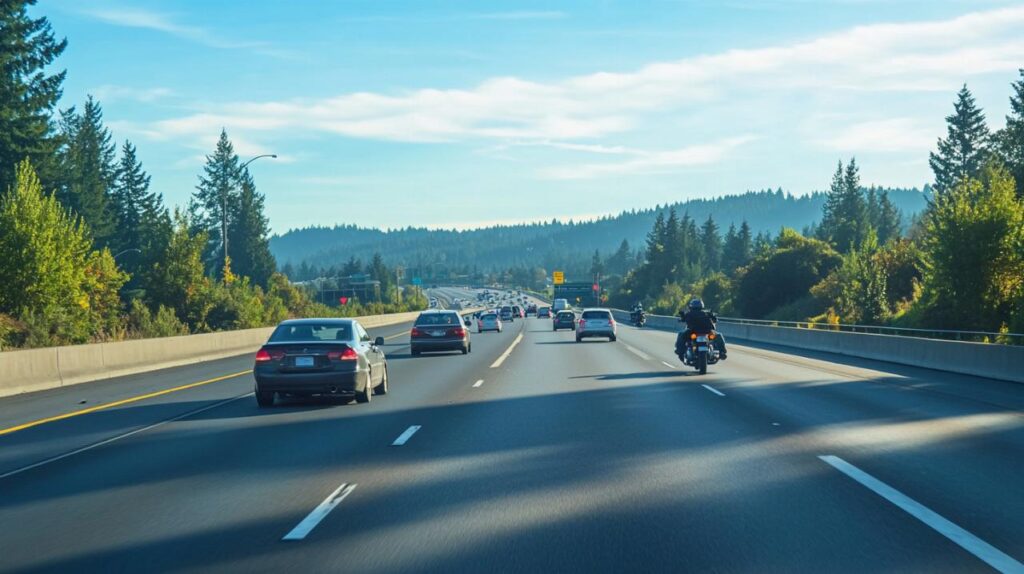
Every journey on the road presents an opportunity not just to reach a destination, but to contribute to a safer environment for everyone sharing the space. The difference between a routine commute and a potential tragedy often lies in the small choices motorists make behind the wheel. Adopting a proactive mindset transforms driving from a mechanical task into a conscious practice that prioritises road safety and protects lives.
Understanding the foundation: why proactive driving transforms road safety
The Critical Difference Between Reactive and Proactive Approaches Behind the Wheel
Reactive driving relies on last-second responses to emerging dangers, while proactive driving anticipates potential hazards before they materialise. This fundamental shift in approach begins with questioning one's own skills and avoiding the trap of overconfidence, which can lead even experienced motorists to underestimate risks. By adopting safe driving habits that emphasise foresight and preparation, drivers create a buffer zone of awareness that extends far beyond their immediate field of vision. The three-second rule for maintaining a safe following distance exemplifies this principle, providing ample time to respond without panic when the vehicle ahead brakes suddenly. Proactive motorists understand that their actions influence not only their own safety but also that of pedestrians, cyclists, and motorcyclists sharing the roads.
How anticipatory behaviour reduces accidents and protects vulnerable road users
Anticipatory behaviour involves continuous road scanning and hazard prediction, allowing drivers to adjust their speed and position well before encountering obstacles. This practice becomes particularly vital when considering vulnerable road users such as motorcyclists, who face significantly higher risks in road traffic accidents compared to car occupants. Checking blind spots before changing lanes and using the Dutch Reach when opening doors prevents collisions that could prove fatal for cyclists. Regular mirror checks every five to eight seconds reduce blind spots and create a comprehensive mental picture of the surrounding environment. Weather conditions demand heightened anticipatory skills, as poor visibility and slippery surfaces compress reaction times and magnify the consequences of sudden manoeuvres. By scanning the road ahead twelve to fifteen seconds, drivers gain precious moments to identify potential conflicts and make gradual adjustments rather than emergency corrections.
The seven essential habits that define lifesaving motorists
Mastering Speed Management and Distance Awareness in All Conditions
Speed management extends beyond merely adhering to speed limits; it involves adjusting velocity to match traffic density, visibility, and road surface conditions. Slowing down in uncertain situations such as heavy traffic or inclement weather demonstrates the hallmark of defensive driving, acknowledging that posted limits represent maximum thresholds rather than targets. Maintaining proper following distance using the three-second rule creates a crucial safety margin, allowing time to react without tailgating the vehicle ahead. This buffer zone becomes even more important in adverse weather conditions, where stopping distances increase dramatically and split-second decisions carry greater consequences. Keeping both hands on the steering wheel at the nine and three o'clock positions ensures optimal control during unexpected manoeuvres, enabling swift corrections without overcorrecting. Vehicle maintenance plays an equally important role in speed management, as properly functioning brakes, tyres, and suspension systems respond predictably when drivers need them most.

Developing constant environmental scanning and hazard prediction skills
Environmental scanning involves systematically sweeping the road ahead, checking mirrors, and monitoring peripheral vision for emerging threats. This continuous assessment allows drivers to build mental models of traffic flow and anticipate changes before they occur. Checking mirrors regularly every five to eight seconds provides updated information about vehicles in adjacent lanes and prevents surprises during lane changes or merges. Turn signals serve as essential communication tools, broadcasting intentions to other drivers and creating predictability in traffic patterns. Avoiding driving distractions, particularly mobile phone use, preserves the mental bandwidth required for effective environmental scanning. Crashes involving drivers with poor vision impose significant costs and cause thousands of casualties annually, underscoring the importance of regular vision testing to maintain the visual acuity necessary for hazard detection. Driver awareness encompasses not only what appears directly ahead but also the subtle cues that signal potential conflicts, such as pedestrians waiting at kerbs or motorcyclists positioned in blind spots. Taking regular breaks during long journeys combats driver fatigue, which dulls perception and slows reaction times, transforming competent motorists into liability risks.
Implementing proactive practices: making safety second nature on our roads
Creating a Personal Commitment to Responsible Vehicle Operation Daily
Transforming safe driving habits from conscious effort into automatic behaviour requires deliberate practice and unwavering commitment. Creating a calm driving space helps manage stress and maintains the mental clarity necessary for sound decision-making in complex traffic situations. Ensuring everyone wears a seatbelt before moving the vehicle demonstrates that seatbelt safety remains non-negotiable, regardless of journey length or familiarity with the route. Using headlight usage appropriately in poor visibility conditions makes vehicles more conspicuous to other road users, reducing the risk of collisions at intersections or during lane changes. Checking hazard lights and other vehicle technology regularly ensures that safety systems function when needed, while informing insurance providers about new features may yield benefits in car insurance or van insurance premiums. Responsible vehicle operation includes understanding lane discipline and avoiding behaviours such as tailgating that compress safety margins and escalate tensions among road users. Regular service and parts maintenance prevents mechanical failures that could compromise control during critical moments.
Building a Culture of Awareness That Extends Beyond Individual Driving Choices
Individual commitment to safe driving habits creates ripple effects that influence broader road safety culture. When motorists consistently use turn signals, maintain safe following distances, and demonstrate pedestrian awareness, they model behaviours that others observe and potentially emulate. Encouraging fellow drivers through gentle reminders, such as a quick flash of lights when their headlights remain off, fosters a collaborative rather than adversarial relationship among road users. Demonstrating patience when encountering slower-moving traffic or vulnerable road users such as horse riders promotes a culture of mutual respect and reduces the aggressive behaviours that escalate into dangerous situations. Understanding that motorcyclist safety depends heavily on car drivers checking blind spots before manoeuvring reinforces the interconnected nature of road safety. This collective awareness extends to managing fuel costs through smoother acceleration and braking, which simultaneously improves safety and reduces environmental impact. Educational initiatives that highlight driving tips and defensive driving techniques empower motorists across all experience levels to refine their skills continuously. By recognising that even experienced drivers benefit from revisiting fundamental principles such as mirror checks and steering wheel position, the driving community acknowledges that complacency represents one of the greatest threats to road safety. Ultimately, the transition from reactive to proactive driving transforms ordinary motorists into lifesaving road champions who protect not only themselves but everyone sharing the journey.