
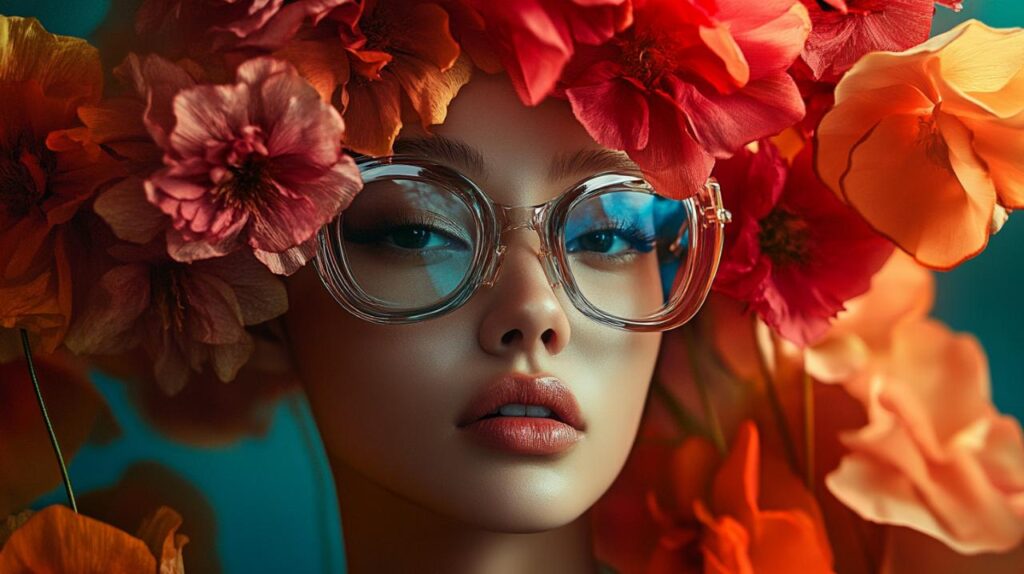
Fashion serves as a powerful medium for self-expression, allowing individuals to communicate their values, interests, and personality without uttering a single word. Whether you're drawn to the effortless allure of casual dressing or the rebellious edge of rock-inspired ensembles, your wardrobe can become a canvas that reflects who you truly are. The journey to discovering and embracing your personal style is both exciting and liberating, offering endless opportunities to experiment, evolve, and ultimately feel more confident in your own skin.
Understanding your personal style identity
Defining your personal style identity begins with introspection and a willingness to explore what truly resonates with you. Many people find themselves purchasing garments impulsively, only to realise later that these pieces don't align with their true aesthetic. To avoid this pitfall, it can be helpful to adopt a structured approach, such as the three-word method popularised by Allison Bornstein. This technique encourages you to select three adjectives that capture the essence of your desired look, whether that's undone and relaxed, polished and sophisticated, or bold and eclectic. By committing to these descriptors, you create a framework for intentional shopping, ensuring that every addition to your wardrobe serves a purpose and contributes to a cohesive narrative.
Understanding unique fashion styles also involves recognising the broader categories that exist within the fashion landscape. Style personalities can often be divided into softer and harder aesthetics, each offering distinct qualities. Soft styles tend to emphasise comfort, delicate materials, and an easygoing vibe, encompassing casual, romantic, and creative expressions. Casual style, for instance, leans heavily on relaxed fits, natural fabrics, and staples like t-shirts and trainers, making it ideal for those who value authenticity and ease. Romantic style, on the other hand, celebrates femininity through flowing silhouettes, lace details, and luxurious materials like chiffon and silk, evoking a sense of glamour and elegance.
Creative style takes a more playful approach, often drawing inspiration from the 1970s with its warm tones, graphic prints, and whimsical touches like tassels and embroidery. This aesthetic appeals to free-spirited individuals who aren't afraid to stand out and experiment with unexpected combinations. Meanwhile, harder styles include edgy, classic, and elevated looks, each with its own distinct character. Edgy style channels a rebellious, rock-and-roll energy through the use of leather, denim, and studs, creating an androgynous and undeniably cool appearance. Classic style, by contrast, borrows from menswear traditions, featuring blazers, tailored trousers, and trench coats that convey professionalism and timeless sophistication.
Discovering what makes you tick through fashion
To truly embrace your personal style, it's essential to reflect on the aspects of your life that bring you joy and fulfilment. Your hobbies, favourite music, artistic preferences, and even the environments you feel most comfortable in can all inform your wardrobe choices. If you're passionate about sustainability, for example, you might gravitate towards vintage finds and charity shop treasures, which not only reduce environmental impact but also offer one-of-a-kind pieces that tell a story. This approach aligns with a growing movement towards capsule wardrobes, where quality and versatility take precedence over quantity, allowing you to curate a collection of staples that can be mixed and matched effortlessly.
Identifying your style icons can also provide valuable insight, though it's important not to simply replicate their looks. Instead, analyse what you admire about their aesthetic and extract the underlying principles that you can adapt to suit your own personality. Perhaps you're drawn to the minimalist precision of a particular designer or the bold colour choices of a favourite musician. By understanding these preferences, you can begin to establish a core uniform of staple pieces that serve as the foundation of your wardrobe. This might include well-fitting jeans, a classic blazer, or a versatile pair of trainers that can be dressed up or down depending on the occasion.
Building confidence in your wardrobe choices
Confidence is perhaps the most crucial element of personal style, as even the most thoughtfully curated outfit will fall flat if you don't feel comfortable in it. Building this confidence often requires a shift in mindset, moving away from the desire to please others and towards a focus on what genuinely makes you feel good. This means embracing the idea that fashion is meant to be enjoyable and experimental, rather than a source of stress or self-doubt. If a particular garment doesn't resonate with you, don't force it simply because it's trendy or because someone else looks fantastic in it.
One practical step towards greater confidence is wardrobe editing, a process that involves regularly assessing your clothing and removing items that no longer serve you. This might include pieces that don't fit well, no longer reflect your style, or simply haven't been worn in ages. By decluttering your closet, you create space for garments that truly align with your identity, making it easier to get dressed each day. Additionally, investing in tailoring can make a significant difference, ensuring that your clothes fit your body perfectly and flatter your unique shape. A well-tailored blazer or pair of trousers can elevate even the simplest outfit, conveying a sense of polish and attention to detail.
Accessories also play a vital role in building confidence and adding personality to your look. Jewellery, eyewear, and timepieces can all serve as signature elements that tie your outfits together and make them feel distinctly yours. Fragrance, too, can be an extension of your personal style, with different scents reflecting various moods and aesthetics. By refining your fragrance wardrobe, you can create a sensory experience that complements your visual presentation, leaving a lasting impression on those you encounter.
Mixing and matching: creating your signature look
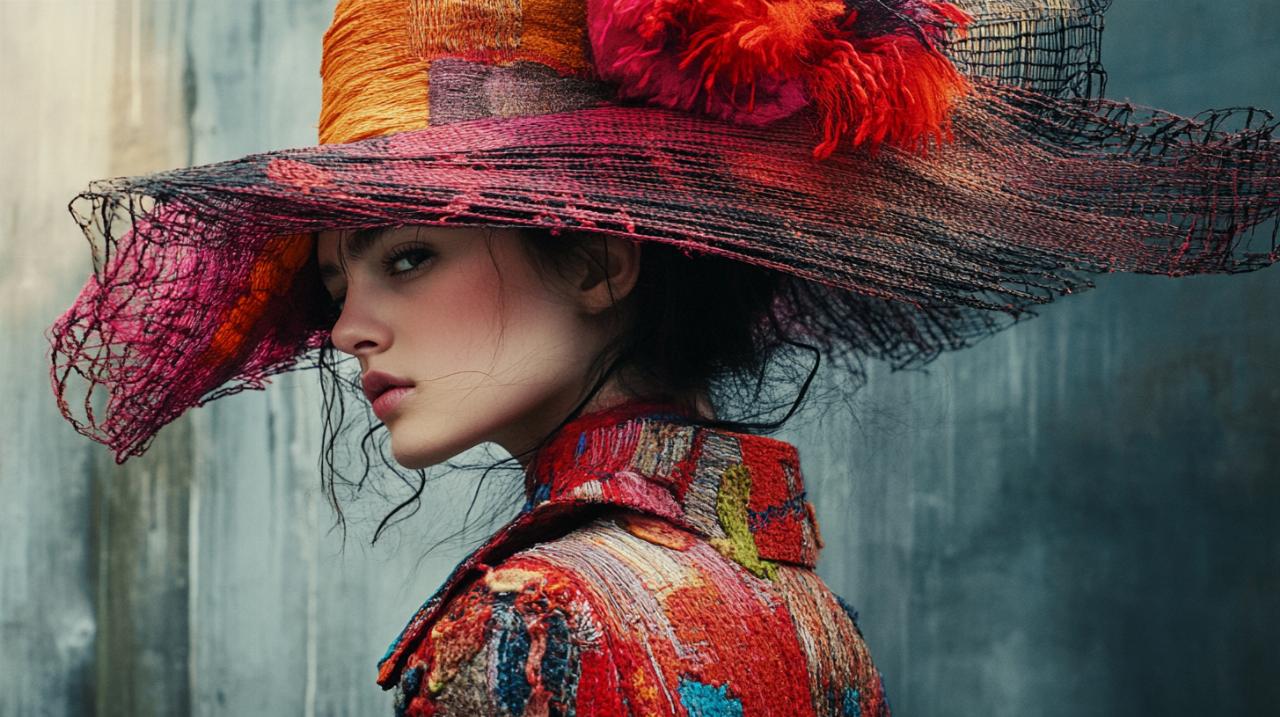
Once you've developed a clearer understanding of your style identity, the next step is to experiment with mixing and matching different elements to create a look that feels uniquely yours. This process involves stepping outside your comfort zone and trying combinations you might not have considered before. For instance, pairing a romantic blouse with edgy leather trousers can create an interesting contrast that highlights both femininity and rebellion. Similarly, layering a classic blazer over a casual graphic tee can strike a balance between polished and relaxed, making the outfit suitable for a variety of settings.
Colour plays a significant role in this experimentation, and many people find that identifying a signature colour can help streamline their wardrobe choices. This doesn't mean wearing the same hue every day, but rather incorporating a particular shade that flatters your complexion and aligns with your aesthetic. Colour analysis, offered by style coaches and consultants, can provide valuable guidance in this area, helping you understand which tones enhance your natural features and which might wash you out. By building your wardrobe around a cohesive colour palette, you ensure that most of your pieces can be easily combined, reducing the time and effort required to put together an outfit.
Experimenting with Different Aesthetics and Trends
Fashion is inherently dynamic, with new trends emerging each season and offering fresh inspiration for your wardrobe. However, it's important to approach trends with a discerning eye, selecting only those that genuinely resonate with your personal style rather than adopting them wholesale. For example, if you identify strongly with a minimalist aesthetic, you might incorporate a trending colour or silhouette in a subtle way, rather than overhauling your entire wardrobe. This selective approach allows you to stay current without compromising your core identity.
Experimentation also extends to trying out different aesthetics to see how they make you feel. You might spend a week embracing a more elevated style, with sleek silhouettes and modern details, and then switch to a creative, 70s-inspired look the following week. This kind of playful exploration can help you discover unexpected facets of your personality and expand your style vocabulary. It's also a reminder that fashion should be enjoyable and free-spirited, rather than a rigid set of rules to follow.
Breaking the rules: why blending styles works brilliantly
One of the most exciting aspects of developing a personal style is the freedom to break conventional fashion rules and blend seemingly disparate aesthetics. This approach is often where the most innovative and memorable looks are born, as it reflects a willingness to take risks and trust your instincts. Mixing soft and hard elements, for instance, can create a dynamic tension that adds depth and interest to your outfit. Pairing a delicate silk skirt with a rugged leather jacket is a perfect example of this strategy, as it combines elegance with an edge, resulting in a look that feels both sophisticated and daring.
Blending styles also allows you to challenge outdated notions of what constitutes a cohesive outfit. Androgynous dressing, for instance, often involves combining traditionally masculine and feminine pieces, such as tailored trousers with a flowing blouse or a structured blazer with a romantic skirt. This not only broadens your styling options but also challenges societal norms and encourages a more inclusive understanding of fashion. By embracing this mindset, you signal that style is not about conforming to expectations but about expressing your individuality with confidence and creativity.
Customisation and personalisation further enhance the blending of styles, allowing you to add unique touches that make your garments truly one-of-a-kind. Whether it's embroidering your initials on a jacket, dyeing a pair of jeans in your signature colour, or adding patches and pins that reflect your interests, these small details can transform even the most basic pieces into meaningful statements. This approach aligns with a broader movement towards sustainability and mindful consumption, as it encourages you to invest in fewer, higher-quality items that you can adapt and cherish over time.
Ultimately, the key to creating a signature look lies in understanding that fashion is a deeply personal journey, one that evolves alongside your experiences, values, and aspirations. By staying true to yourself, experimenting fearlessly, and refusing to be constrained by rigid definitions, you can develop a style that not only expresses who you are but also empowers you to navigate the world with confidence and authenticity. Whether you're drawn to the understated elegance of classic dressing, the bold creativity of eclectic ensembles, or a hybrid of multiple aesthetics, the most important thing is to wear your choices with pride and joy, knowing that your wardrobe is a reflection of your unique personality.