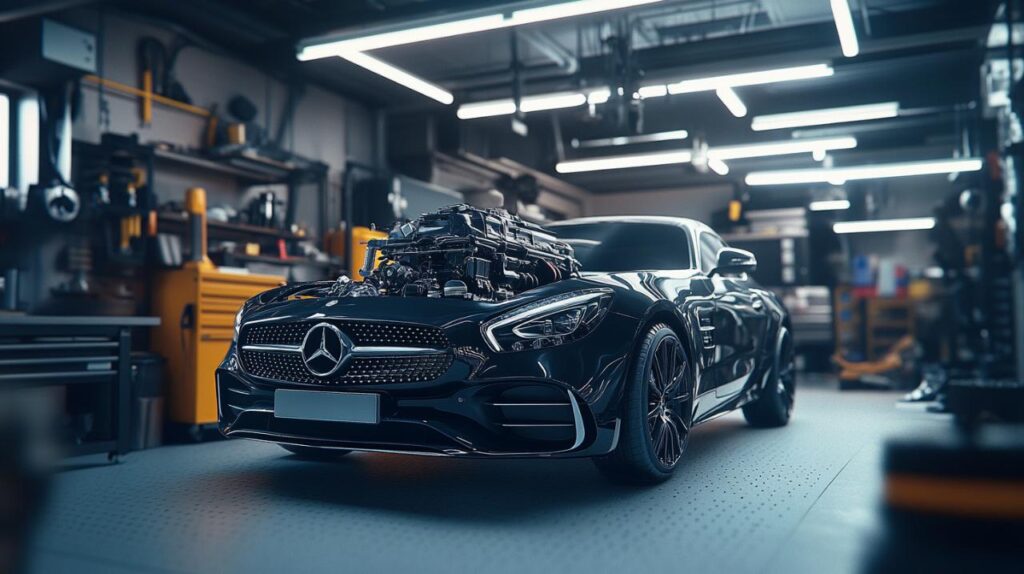
The collaboration between Renault and Mercedes-Benz has produced a fascinating chapter in modern automotive engineering, whereby certain Mercedes models benefit from powertrains developed by the French manufacturer. This partnership has enabled both companies to share technology and reduce costs whilst offering diverse choices to consumers. Understanding the reliability of these Renault-sourced engines within the Mercedes lineup requires examining the specific models affected, the engineering rationale behind the collaboration, and the critical maintenance practices that ensure longevity and performance.
Understanding the Renault-Mercedes Engine Partnership and Common Applications
The strategic alliance between Renault and Mercedes-Benz emerged as a practical solution to the challenges of developing smaller, efficient engines for compact and utility vehicles. Both manufacturers recognised the opportunity to pool resources and expertise, particularly in the realm of diesel and petrol engines suited for lighter vehicles. This cooperation has allowed Mercedes-Benz to expand its model range with cost-effective powertrains whilst Renault has gained prestige through association with the German marque. The arrangement reflects a broader trend within the automotive industry where partnerships help manufacturers meet stringent emissions regulations and market demands without duplicating development efforts.
Which mercedes models feature renault-sourced engines?
Renault engines can be found in several Mercedes-Benz models, particularly within the compact and commercial vehicle segments. The A-Class, which has been in production since 2012 and continues through 2025, represents one of the most prominent applications of Renault powertrains. Similarly, the B-Class and Citan van have also benefited from engines developed by Renault, especially the dCi diesel units known for their fuel efficiency. These engines have been integrated into vehicles designed for urban and mixed-use driving, where their compact dimensions and economical performance align well with the needs of drivers seeking practicality without sacrificing the prestige of the Mercedes-Benz badge. The collaboration extends to certain versions of commercial vans where reliability and low running costs are paramount.
The engineering behind the manufacturer collaboration
From an engineering perspective, the partnership leverages Renault's expertise in producing compact, turbocharged engines that deliver strong performance relative to their size. The dCi diesel engines, which have been widely employed across Renault's own range and those of partner manufacturers, are particularly valued for their fuel economy and torque delivery. These engines are designed with advanced fuel injection systems, variable geometry turbochargers, and emissions control technologies that meet contemporary environmental standards. The TCe petrol engines, meanwhile, incorporate turbocharging and direct injection to maximise efficiency and power output. By sharing these powertrains, Mercedes-Benz has been able to offer competitive models in segments where developing bespoke engines would have been prohibitively expensive. The integration process involves adapting the engines to Mercedes' specific chassis and electronic systems, ensuring that performance and refinement meet the expectations associated with the brand.
Reliability Assessment of Renault dCi Diesel and TCe Turbocharged Petrol Units in Mercedes Applications
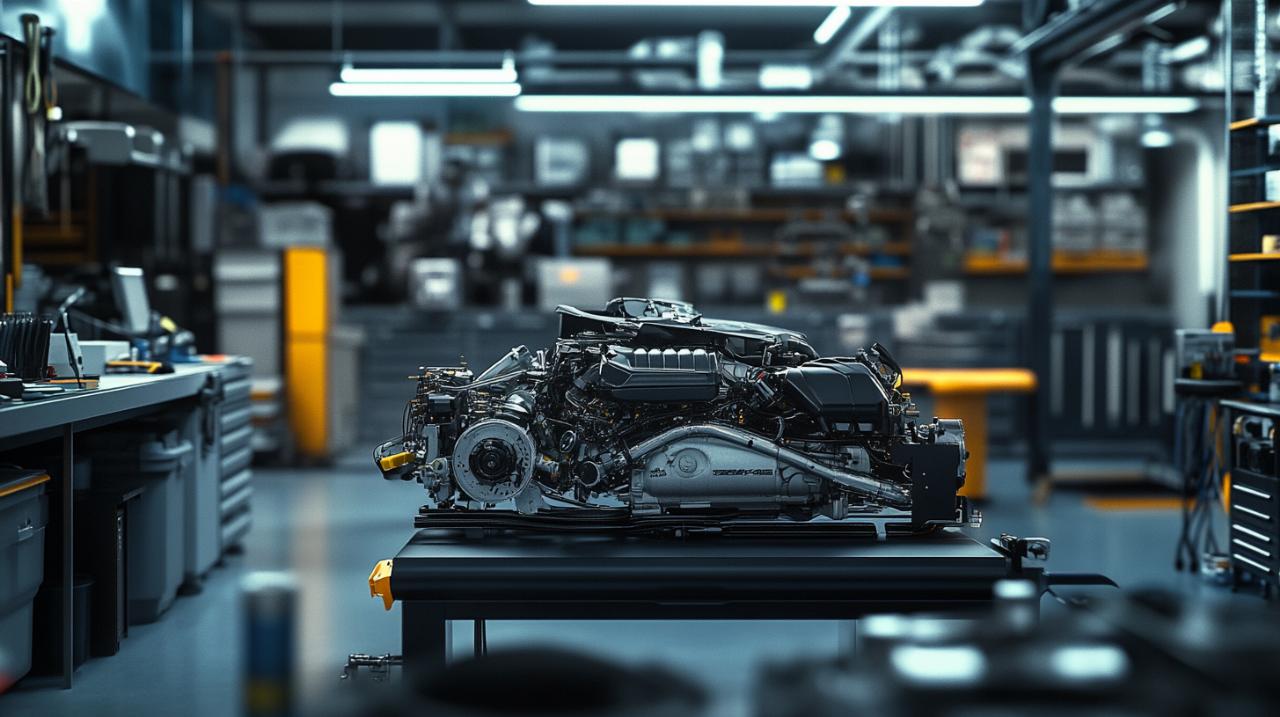
When evaluating the reliability of Renault engines fitted in Mercedes vehicles, it is essential to differentiate between the diesel and petrol variants. Each engine type presents distinct characteristics and potential concerns that owners should be aware of. Generally, these engines are considered reliable when maintained properly, though certain weaknesses have been observed over time. Diesel engines have demonstrated good fuel consumption, often achieving around four litres per hundred kilometres, which is particularly appealing for drivers covering significant mileage. However, vigilant maintenance is crucial to avoid common pitfalls. The petrol engines, whilst offering good performance, have been noted for issues such as excessive oil consumption in some cases, requiring careful monitoring and adherence to service schedules.
Common Reliability Concerns with dCi Diesel Variants
The dCi diesel engines used in Mercedes models are renowned for their efficiency but have exhibited certain reliability concerns that merit attention. One of the primary issues involves the diesel particulate filter, which can become clogged if the vehicle is used predominantly for short urban journeys. This component requires periodic regeneration, a process that occurs naturally during sustained higher-speed driving. Owners who primarily drive in stop-and-go traffic may experience premature filter blockage, leading to reduced performance and costly repairs. Additionally, the fuel injection system, including high-pressure pumps and injectors, can develop faults if low-quality diesel is used or if service intervals are neglected. These components are sensitive and require clean fuel and regular maintenance to function optimally. Turbocharger durability has also been a point of concern, particularly in turbocharged versions where oil supply and quality are critical. Ensuring that oil changes are carried out on time with the correct specification can significantly mitigate these risks.
Performance and Durability of TCe Turbocharged Petrol Units
The TCe turbocharged petrol engines fitted in certain Mercedes models offer a different set of strengths and weaknesses compared to their diesel counterparts. These engines are designed to deliver spirited performance and are generally praised for their responsiveness and smooth power delivery. However, some owners have reported excessive oil consumption, which can be attributed to the high operating temperatures and pressures inherent in turbocharged units. Regular checks of oil levels between service intervals are advisable to prevent potential engine damage. The turbochargers themselves, whilst robust, require adequate lubrication and cooling, making timely oil changes and the use of high-quality lubricants essential. Another consideration is the condition of ignition components such as spark plugs and coils, which can wear more quickly in forced induction engines. Addressing these issues promptly helps maintain performance and prevents more serious complications. Overall, the TCe engines are durable when cared for properly, but they demand a proactive approach to maintenance.
Essential Maintenance Guidelines: Oil Changes and Filter Servicing for Optimal Engine Longevity
Maintaining a Renault engine within a Mercedes vehicle requires adherence to a disciplined servicing regime that prioritises oil changes and filter replacements. These routine procedures form the cornerstone of engine health, preventing premature wear and ensuring that all components operate within their design parameters. Given the precision engineering of modern turbocharged engines, the quality and condition of engine oil are particularly critical. Oil not only lubricates moving parts but also helps dissipate heat and remove contaminants. Neglecting oil changes can lead to sludge build-up, increased friction, and ultimately catastrophic engine failure. Similarly, filters play a vital role in protecting the engine from dirt and debris, and their regular replacement is non-negotiable for those seeking long-term reliability.
Recommended oil change intervals and specifications
For Renault engines fitted in Mercedes models, adhering to the manufacturer's recommended oil change intervals is paramount. Typically, these intervals range from every twelve months or twelve thousand miles for diesel engines, whichever comes first. Petrol engines, especially turbocharged variants, may benefit from even more frequent changes, particularly if the vehicle is subjected to demanding driving conditions such as frequent short trips or high-performance driving. The choice of oil specification is equally important, as modern engines require lubricants that meet stringent standards for viscosity and additive content. Oils approved to meet Renault or Mercedes-Benz specifications should always be used to ensure compatibility with engine materials and emissions systems. Using inferior or incorrect oil can lead to increased wear, higher fuel consumption, and potential damage to sensitive components such as turbochargers and variable valve timing mechanisms. Owners should consult the vehicle handbook or a qualified technician to confirm the correct oil grade and change interval for their specific engine variant.
Filter replacement schedule and critical component inspection
Beyond oil changes, the regular replacement of filters is essential to maintaining engine reliability. The oil filter should be renewed at every oil change to ensure that fresh oil remains free from contaminants. The air filter, which prevents dust and particles from entering the combustion chamber, should be inspected regularly and replaced as needed, typically every twenty thousand miles or sooner in dusty environments. A clogged air filter can reduce engine performance and increase fuel consumption, whilst also placing additional strain on the turbocharger. The fuel filter is another critical component, particularly for diesel engines, where contamination can lead to injector damage and poor combustion. Replacing the fuel filter at intervals specified by the manufacturer helps safeguard the fuel system. Additionally, owners should ensure that the cabin filter is changed periodically to maintain interior air quality and prevent strain on the climate control system. During each service, a thorough inspection of belts, hoses, and coolant levels should be conducted, as these components support overall engine health. Proactive maintenance not only extends engine life but also preserves the vehicle's value and reliability.