Repainting the intricate components of your car or motorbike can be a rewarding project that revitalises the appearance of your beloved vehicle. Whether you are addressing minor scuffs, refreshing faded trim, or simply enhancing aesthetic appeal, achieving a professional finish requires a thoughtful approach. With the right techniques and a bit of patience, you can transform small details into flawlessly painted elements that rival the work of professional automotive detailers. This guide will walk you through every stage of the process, from thorough surface preparation to the final protective coats, ensuring your results are both durable and visually striking.
Preparing Your Vehicle's Surface for a Professional Finish
The foundation of any successful paint job lies in meticulous surface preparation. Without proper preparation, even the highest quality paint will struggle to adhere correctly, leading to peeling, flaking, or an uneven finish. Before you even think about opening a tin of paint or picking up a spray can, you must dedicate time to ensuring the surface is immaculate. This stage may feel tedious, but it is absolutely essential for achieving results that look professional and stand the test of time.
Cleaning and Rust Removal Techniques for Optimal Paint Adhesion
Begin by thoroughly washing the area you intend to repaint. Dirt, grease, and road grime can create barriers that prevent paint from bonding effectively with the underlying material. Use a high-quality automotive shampoo and a soft cloth or sponge to gently remove all surface contaminants. Pay particular attention to crevices and joints where grime tends to accumulate. Once the area is clean, you should degrease it using a suitable solvent or degreaser. This step is crucial because even invisible oils from your hands can compromise paint adhesion.
After degreasing, inspect the surface for any signs of rust or corrosion. Rust is the enemy of a durable paint job, as it will continue to spread beneath the new coat if not properly addressed. If you discover rust, use sandpaper or a wire brush to remove it completely, exposing clean metal. For more stubborn corrosion, consider using a rust removal solution or an anti corrosion treatment to ensure the area is entirely free from oxidation. Once the rust is eliminated, wipe the surface down again to remove any dust or residue left behind by the sanding process. This thorough cleaning and rust removal process ensures that the paint has a clean, stable surface to adhere to, which is the first step towards a flawless finish.
The importance of primer application before painting
Applying a primer is an indispensable step that many amateur painters overlook, yet it is one of the most critical elements in achieving a professional result. Primer serves multiple purposes: it enhances paint adhesion, provides a uniform base that improves colour accuracy, and adds an extra layer of protection against corrosion. Think of primer as the bridge between the raw surface and the final paint coat. Without it, the paint may not bond properly, leading to premature failure.
When selecting a primer, ensure it is compatible with both the material of your vehicle and the type of paint you plan to use. There are primers specifically designed for metal, plastic, and other substrates commonly found on cars and motorbikes. Apply the primer in thin, even coats, allowing each layer to dry completely before applying the next. A single litre of ready-to-use primer typically covers between four and six square metres, so plan your usage accordingly. Once the primer has dried, lightly sand the surface with fine-grit sandpaper to create a smooth base. This sanding step removes any imperfections and provides a slightly textured surface that helps the paint adhere even better. After sanding, wipe the area clean once more to remove all dust particles. With the primer properly applied and prepared, you are now ready to move on to the painting stage with confidence.
Choosing the Right Paint and Application Method for Small Details
Selecting the correct paint and application method is pivotal to the success of your project. The myriad of options available can be overwhelming, but understanding the characteristics of each type will help you make an informed decision that suits your specific needs. Whether you are working on a small scratch or repainting an entire component, the right combination of paint type and application tool will make all the difference in achieving a seamless, professional-looking result.
Understanding paint types: sprays, airbrush, and touch-up pens
When it comes to repainting small details, you have several application methods at your disposal, each with its own advantages. Spray paints are among the most popular choices for automotive work due to their ease of use and ability to deliver a smooth, even coat. Solvent-based spray paints are ready to use straight from the can, making them ideal for quick touch-ups and small areas. They dry rapidly and provide a durable finish, though you must ensure adequate ventilation when using them due to the strong fumes they emit.
For those seeking greater control and precision, an airbrush is an excellent tool. Airbrushes allow you to apply paint in very fine layers, which is particularly useful when working on intricate details or blending colours. However, airbrush systems require more setup and practice to master, and they are best suited for individuals who have some prior experience with spray painting techniques. The ability to adjust the spray pattern and paint flow gives you unparalleled control, making it possible to achieve truly professional results on even the smallest components.
Touch-up pens offer a convenient solution for minor damages and small imperfections. These pens are filled with paint that matches your vehicle's colour and are designed for quick, precise application. They are perfect for covering up small scratches, chips, or blemishes without the need for extensive preparation or equipment. While touch-up pens may not provide the same level of finish as spray paints or airbrush applications, they are invaluable for maintaining the appearance of your vehicle between more comprehensive paint jobs. Each of these methods has its place in the toolkit of a precision painter, and choosing the right one depends on the size of the area you are working on and the level of finish you wish to achieve.
Colour Matching and Paint Code Selection for Precision Work
Achieving a perfect colour match is one of the most challenging aspects of repainting small details. Even a slight variation in hue can be glaringly obvious, especially in direct sunlight. To ensure your new paint blends seamlessly with the existing finish, you must identify the exact paint code for your vehicle. This code is usually found on a plate or sticker located in the engine bay, door jamb, or under the bonnet, and it specifies the precise colour formula used by the manufacturer.
Once you have located the paint code, you can order the exact shade from a reputable supplier. Many automotive paint specialists offer custom mixing services that allow you to obtain a perfect match based on your vehicle's code. It is worth taking the time to verify the code and, if possible, request a test sample to compare against your vehicle before committing to a full order. Colour matching is not just about aesthetics; it is also about ensuring that your repair work is virtually invisible, which is the hallmark of a professional finish.
In addition to colour, consider the type of finish you desire. Automotive paints come in various finishes, including gloss, satin, and matte, as well as special effect options such as chameleon, holographic, and phosphorescent. These special effect paints can add a unique touch to your vehicle, making it stand out from the crowd. However, they require careful application and often additional layers to achieve the desired effect. Whether you opt for a standard colour or a special finish, ensuring that your paint choice aligns with your vision and the vehicle's existing aesthetic is crucial for a cohesive result.
Achieving a Durable and Professional-Looking Result
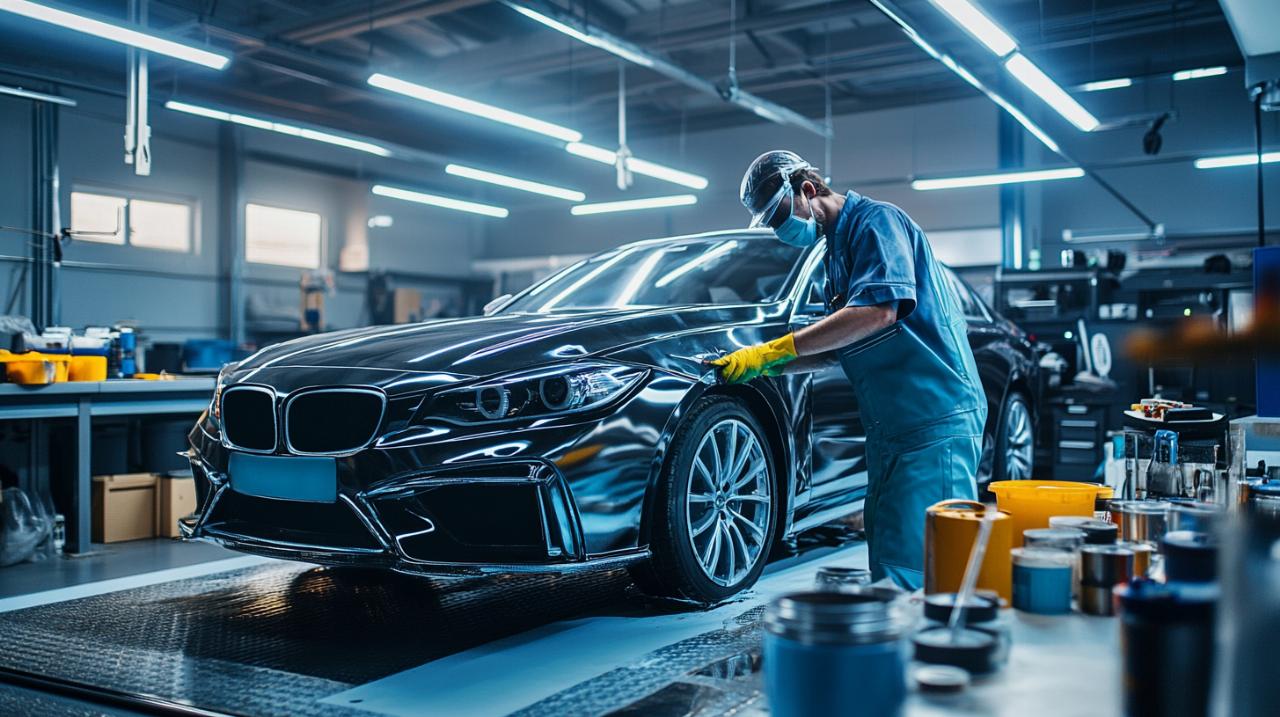
The final stages of your painting project are just as important as the preparation. Applying the paint correctly and protecting it with a suitable topcoat will ensure that your hard work results in a finish that not only looks stunning but also withstands the rigours of daily use. This section will guide you through the final steps necessary to achieve a durable, professional-looking result that you can be proud of.
Applying Varnish for Enhanced Protection and Longevity
Once you have applied your base coat of paint and are satisfied with the coverage and finish, it is time to protect your work with a layer of varnish. Varnishing is essential for both solvent-based and water-based paints, as it provides a clear protective layer that shields the paint from UV rays, environmental contaminants, and physical wear. Varnish also enhances the depth and gloss of the paint, giving it that showroom-quality shine that is synonymous with professional automotive detailing.
When applying varnish, it is important to follow the manufacturer's instructions regarding mixing ratios, especially if the varnish requires a hardener. The hardener initiates a chemical reaction that causes the varnish to cure into a tough, durable finish. Mix the varnish and hardener thoroughly according to the specified ratio, and apply it in thin, even coats. Just as with the primer and paint, multiple thin coats are preferable to a single thick one. Thin coats dry more evenly and are less likely to run or sag, which can ruin the appearance of your finish.
A litre of ready-to-use varnish typically covers around five square metres, so plan your application accordingly. Allow each coat to dry completely before applying the next, and lightly sand between coats with very fine sandpaper to ensure a smooth, flawless surface. After the final coat has cured, you may choose to polish the varnish to enhance its shine further. Polishing is an optional step, but it can significantly improve the overall appearance of the finish by removing any minor imperfections and creating a mirror-like gloss. This final touch elevates your work from merely adequate to truly professional, ensuring that your vehicle's small details look as good as new.
Environmental Factors and Safety Considerations During the Painting Process
The environment in which you paint plays a significant role in the quality of the final result. Temperature, humidity, and airflow all affect how paint dries and cures, so it is important to choose your workspace carefully. Ideally, you should work in a clean, well-ventilated area that is free from dust and debris. Dust particles can settle on wet paint, creating blemishes that detract from the finish. If you are working indoors, ensure that the space is adequately ventilated to allow fumes to dissipate and to promote even drying. Opening windows and using fans can help maintain airflow, but be cautious not to create too much draft, as this can cause dust to swirl around and settle on your work.
Temperature is another critical factor. Most automotive paints and varnishes are designed to be applied and cured within a specific temperature range, typically between fifteen and twenty-five degrees Celsius. Painting in temperatures that are too low can cause the paint to dry too slowly, increasing the risk of dust contamination and uneven curing. Conversely, excessively high temperatures can cause the paint to dry too quickly, leading to issues such as cracking or poor adhesion. Similarly, high humidity can interfere with the curing process, so aim to paint on a dry day when possible.
Safety should always be a top priority when working with automotive paints and solvents. Many of these products contain volatile organic compounds that can be harmful if inhaled or absorbed through the skin. Always wear appropriate protective gear, including gloves, safety goggles, and a respirator mask rated for paint fumes. Working in a well-ventilated area reduces the concentration of airborne chemicals, but a respirator provides an additional layer of protection for your lungs. Additionally, be mindful of fire hazards, as many solvents and paints are highly flammable. Keep all heat sources, sparks, and open flames away from your workspace, and store paints and solvents in a cool, dry place away from direct sunlight.
By paying attention to these environmental and safety factors, you not only protect your health but also ensure that the conditions are optimal for achieving the best possible finish. A controlled, safe workspace is the final piece of the puzzle in your quest to repaint your vehicle's small details like a true professional. With careful preparation, the right materials, and a meticulous approach, you can transform worn or damaged components into beautifully refreshed elements that enhance the overall appearance of your car or motorbike.