
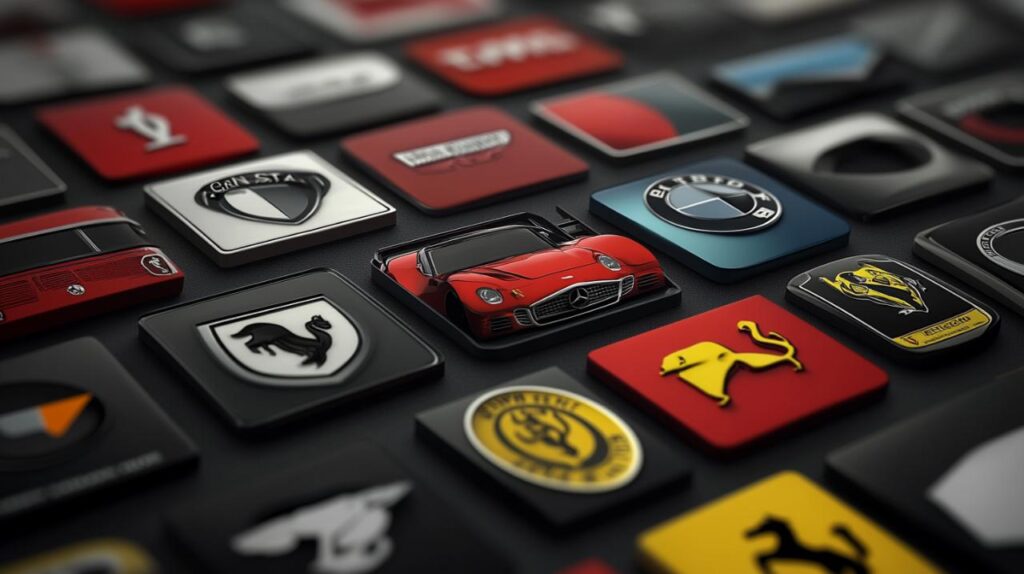
Automotive emblems stand as enduring symbols of prestige, performance, and innovation within the motoring world. These carefully crafted badges have evolved through decades, adapting to shifting consumer tastes, technological advances, and cultural transformations. For over eighty years, trusted dealers and manufacturers have witnessed firsthand how a well-designed logo can forge deep emotional connections with motorists, influencing perceptions of reliability, craftsmanship, and heritage. From the racing circuits of Europe to the bustling showrooms of modern dealerships offering electric vehicles and personal contract purchase financing, car logos continue to encapsulate the very essence of brand identity and legacy.
The Heritage and Evolution of Automotive Brand Emblems
Symbolism and Values Embedded in Classic Marque Badges
The visual language of automotive insignia reveals a rich tapestry of history and aspiration. Aston Martin introduced its iconic wings logo in 1927, a design that has undergone refinement over the years, with the most recent redesign arriving in 2022 to reflect contemporary aesthetics whilst honouring nearly a century of motoring excellence. Similarly, the three-pronged star of Mercedes-Benz, first introduced in 1909, stands as a testament to the marque's deep roots in motorsport and engineering prowess. This emblem, which has remained remarkably consistent over the decades, symbolises the brand's commitment to dominance on land, sea, and air, echoing an era when innovation knew no bounds.
Porsche has maintained a visual identity rooted in the 1950s, with subtle refinements culminating in a redesign in 2023 that retains the classic crest whilst embracing modern simplicity. Meanwhile, Audi's four interlocking rings represent the historic merger of four manufacturers into Auto Union AG, encapsulating collaboration and shared ambition. The Rolls-Royce logo, now simplified to two overlapping Rs, embodies understated luxury and timeless elegance. These badges do more than identify a vehicle; they convey values such as durability, precision, and a relentless pursuit of excellence, qualities that resonate deeply with discerning motorists seeking both performance and prestige.
How historical context shapes modern logo design
Understanding the evolution of these emblems requires an appreciation of the broader historical and cultural shifts that have shaped the automotive industry. BMW's logo, inspired by the Bavarian flag, has remained largely unchanged, reflecting a steadfast commitment to regional identity and engineering philosophy. In contrast, Volkswagen's emblem has undergone subtle updates, most notably in 2019, to align with digital branding trends and a cleaner, more minimalist aesthetic. Kia's logo journey, which began in earnest in 1994 and saw a significant transformation in 2020, illustrates how a marque can reinvent itself to appeal to contemporary consumer expectations without abandoning its foundational identity.
The interplay between tradition and innovation is particularly evident in the way luxury marques balance heritage with the demands of an increasingly digital and eco-conscious marketplace. As the industry pivots towards electric powertrains and sustainable mobility, logos are being reimagined to signal not only performance and prestige but also environmental responsibility and forward-thinking design. Colour choices, shapes, and the very structure of these emblems reflect evolving attitudes towards technology, fuel efficiency, and the broader cultural influences that define each era. The result is a visual identity that speaks to both the storied past and the electrified future of motoring.
Psychology behind car logos: emotion, perception, and trust
Creating memorable identities that resonate with motorists
A truly effective car logo transcends mere decoration, embedding itself in the consciousness of drivers and passengers alike. It serves as a shorthand for a wealth of associations, from safety and reliability to power and innovation. When motorists encounter a familiar emblem, they draw upon years of accumulated impressions, including perceptions of durability, low maintenance costs, and advanced engineering. For instance, a logo that features sleek lines and dynamic forms may evoke notions of speed and agility, whilst a crest with intricate detailing might suggest heritage, craftsmanship, and attention to detail.
Great automotive logos convey multiple meanings simultaneously, embodying the brand's identity and values. McLaren's emblem refers to speed and the predatory grace of nature, whilst Lexus's logo reflects the elegant design philosophy evident in every vehicle it produces. Acura's badge encapsulates an engineering philosophy rooted in precision and performance, and Ferrari's prancing horse carries the founder's legacy of passion and competition. These symbols resonate with motorists because they tell a story, one that encompasses innovation in areas such as cooling systems, power steering, and brake performance, all critical components that influence buyer confidence and long-term satisfaction.
The Influence of Colour and Shape on Buyer Confidence
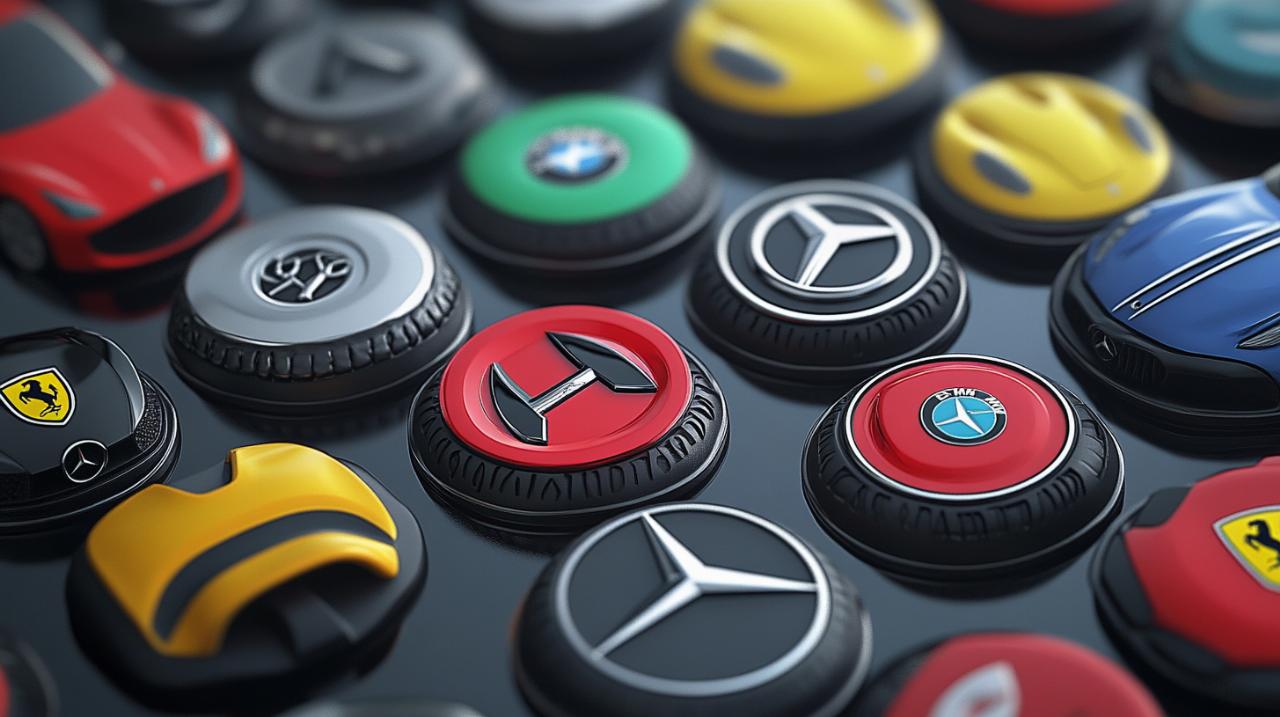
Colour and shape are fundamental elements in the creation of memorable automotive emblems, each chosen to evoke specific emotions and perceptions. Incorporating hues such as red or orange can signal alertness, energy, and high performance, qualities particularly valued in sports and performance vehicles. Conversely, blue and green often represent eco-friendliness, trust, and a commitment to sustainable practices, aligning with the growing demand for electric vehicles and environmentally responsible manufacturing. Luxury brands frequently employ opulent colours and intricate shapes to convey sophistication and exclusivity, creating a visual language that speaks to discerning buyers seeking the finest in automotive craftsmanship.
The psychology of shape also plays a crucial role in shaping consumer perceptions. Circular emblems tend to suggest unity, completeness, and global reach, whilst angular designs can convey strength, stability, and cutting-edge technology. The choice between simplicity and complexity reflects broader branding strategies, with minimalist designs aligning with digital branding trends and a preference for clean, uncluttered aesthetics. As automakers redesign their logos to maintain relevance in an ever-changing marketplace, they carefully balance these visual elements to ensure that each emblem reinforces the brand's core values and resonates with the expectations of modern consumers.
Rebranding success stories: revitalising heritage through strategic logo redesign
Case studies of automotive marques that transformed their visual identity
The journey of rebranding is rarely straightforward, requiring a delicate balance between honouring a storied legacy and embracing the future. Jaguar, with over ninety years of heritage, embarked on a bold rebranding in late 2024, signalling its commitment to an all-electric future. This transformation, which included the launch of the Type 00 concept car, was met with mixed reactions. The electric grand tourer, previewing the 2026 Jaguar GT, generated significant public discussion, illustrating both the challenges and opportunities inherent in such a dramatic shift. The new logo and design language sought to position Jaguar as a pioneer in sustainable luxury, yet the response underscored the deep emotional connections that motorists hold with established emblems.
Bentley's reboot following its acquisition by Volkswagen offers another compelling example. By investing in motorsport and new engineering capabilities, Bentley launched the Continental GT in 2003, significantly improving its image and market positioning. This strategic redesign demonstrated how a heritage marque could leverage modern technology and performance to reinvigorate its brand identity, attracting a new generation of buyers whilst retaining the loyalty of long-standing customers. Similarly, Smart, originally known for compact city cars, transformed into an all-electric compact SUV brand tailored for the Chinese market, with the Smart number five showcasing a successful change in direction that aligned with consumer demand for electric mobility and contemporary design.
Balancing Tradition with Innovation in Contemporary Emblem Development
Successful rebranding efforts are characterised by purposeful simplicity, meaningful colour choices, and a respect for heritage as an asset rather than a burden. Lamborghini's recent rebranding exemplifies this approach, retaining its iconic bull whilst modernising the overall design to reflect contemporary aesthetics and engineering advancements. This careful evolution ensures that the emblem remains instantly recognisable whilst signalling the brand's commitment to innovation and performance. In contrast, Lotus, long celebrated for lightweight, nimble cars, has shifted towards heavier electric vehicles under Geely's ownership, with the Emeya representing a new range of electric SUVs and sedans. This transformation illustrates the challenges of maintaining brand identity in an era of rapid technological change and shifting consumer preferences.
Electric vehicle brands such as Tesla and BYD are pioneering new branding strategies that eschew the ornate detailing of traditional luxury marques in favour of sleek, minimalist designs. These emblems reflect the digital age, emphasising simplicity, clarity, and a forward-looking ethos. Yet even in this context, the principles of effective branding remain constant: a great logo must convey the essence of the brand, evoke the desired emotions, and create a lasting impression that fosters customer loyalty and trust. As the automotive industry continues to evolve, the interplay between heritage and innovation will remain central to the design of emblems that not only identify a vehicle but also encapsulate the values, aspirations, and engineering philosophy of the marque itself.