
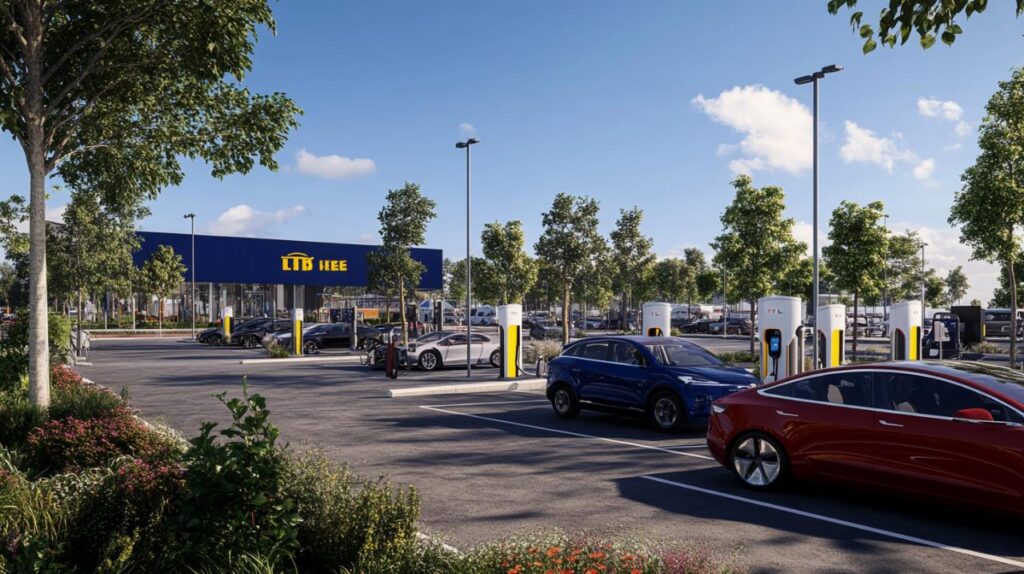
The retail sector is increasingly stepping into the spotlight as a pivotal player in the broader energy transition, with Ikea leading the charge through strategic infrastructure investments across Europe. By expanding its network of electric vehicle charging stations in Spain and Belgium, the Swedish furniture giant is not merely responding to the rise of electric cars but actively shaping a sustainable future for urban mobility. This initiative reflects a commitment to integrating renewable energy solutions and advanced battery storage within the retail environment, offering a blueprint that other companies might well follow.
Ikea's Strategic Investment in EV Charging Infrastructure Across Spain and Belgium
Ikea has embarked on an ambitious plan to enhance its charging infrastructure in key European markets, with Spain and Belgium serving as central hubs for this rollout. The decision to prioritise these countries stems from their burgeoning electric vehicle adoption rates and supportive regulatory frameworks that align with the European Union's climate targets. By installing a comprehensive network of charging stations across its stores, Ikea is positioning itself at the intersection of retail convenience and sustainable mobility. This approach not only facilitates the daily routines of electric car drivers but also underscores the potential for retail spaces to serve as vital nodes in the broader energy ecosystem.
Expanding the Network: Installation Plans and Station Rollout
The rollout of charging stations across Ikea locations in Spain and Belgium involves a meticulously planned installation process designed to accommodate various electric vehicle models. Each station is equipped to deliver efficient charging experiences, ensuring that customers can power their vehicles while shopping or dining. The infrastructure is built with scalability in mind, allowing for future expansion as demand for electric mobility continues to surge. By integrating these facilities into existing retail sites, Ikea eliminates the need for standalone charging hubs, thereby maximising convenience and accessibility for drivers. This strategy also reflects a broader trend among retailers to transform their premises into multifunctional spaces that support the transition towards greener transport options.
Supporting sustainable mobility through retail-led infrastructure development
The initiative is more than a mere commercial venture; it represents a fundamental shift in how retail companies can contribute to sustainable development. By investing in charging infrastructure, Ikea is actively supporting the growth of electric vehicles and reducing reliance on fossil fuels. This retail-led approach demonstrates that large-scale environmental commitments need not be the sole preserve of energy utilities or governments. Instead, businesses with extensive physical footprints can leverage their assets to drive meaningful change. The presence of charging stations at Ikea stores also sends a powerful message to consumers about the importance of clean energy and the viability of electric mobility as a mainstream choice. In doing so, the company is fostering a culture of sustainability that extends beyond its product offerings to encompass the entire customer experience.
The Role of Battery Storage and Renewable Energy Integration in Ikea's Charging Stations
One of the most innovative aspects of Ikea's charging infrastructure is the integration of advanced battery storage and renewable energy sources. By coupling charging stations with on-site solar panels and energy storage systems, the company is creating a self-sustaining ecosystem that minimises environmental impact. This approach not only reduces the carbon footprint associated with electric vehicle charging but also enhances the resilience and efficiency of the energy supply. The partnership with ACCIONA Energía, a leader in renewable energy solutions, has been instrumental in bringing this vision to life. Together, they are pioneering a model that other retailers and businesses can emulate to accelerate the energy transition.
Advanced battery storage solutions for enhanced charging accessibility
Battery storage plays a crucial role in optimising the performance and accessibility of Ikea's charging network. By storing surplus energy generated from photovoltaic installations, the system ensures that charging stations can operate efficiently even during periods of low sunlight or high demand. This capability is particularly valuable in urban environments where grid constraints can limit the availability of power. The use of batteries also enables the deployment of vehicle-to-grid technology, which allows electric car batteries to both draw from and supply energy to the network. This bidirectional flow of electricity not only supports grid stability but also empowers drivers to become active participants in the energy market. The three vehicle-to-grid charging stations that ACCIONA Energía has commissioned at Ikea locations in Spain exemplify this cutting-edge approach, demonstrating how retail sites can serve as dynamic energy hubs.
Facilitating the Energy Transition with Renewable Power Sources
The commitment to renewable energy is at the heart of Ikea's charging infrastructure strategy. By ensuring that all electricity used to power the stations is derived from sustainable sources such as wind, solar, and hydroelectric power, the company is making tangible progress towards its decarbonisation goals. This renewable energy integration is facilitated by ACCIONA Energía's expertise in managing and maintaining clean energy installations. The collaboration extends beyond the installation of solar panels and charging points to encompass comprehensive advice on energy efficiency and self-consumption. Customers who opt for these solutions can benefit from reduced energy costs and a smaller carbon footprint, reinforcing the economic and environmental advantages of sustainable living. The second phase of the partnership, which will introduce aerothermal services, further underscores the holistic approach that Ikea is taking to energy efficiency and climate action.
Broader Implications for the European Union's Emission Reduction Goals and EV Adoption
Ikea's expansion of charging infrastructure in Spain and Belgium is not an isolated initiative but part of a wider movement across the European Union to reduce emissions and promote electric vehicle usage. As member states work towards ambitious climate targets, the role of private sector engagement becomes ever more critical. Retail-led initiatives such as this one demonstrate that businesses can be powerful catalysts for change, driving both consumer behaviour and market transformation. By aligning its strategy with the EU's sustainability agenda, Ikea is helping to create the conditions necessary for widespread electric vehicle adoption and a rapid shift towards cleaner transport.
Aligning with EU Climate Targets and Electric Vehicle Growth Trends
The European Union has set forth stringent emission reduction goals as part of its response to the climate emergency, with transport identified as a key sector for intervention. The growth of electric vehicles is central to achieving these objectives, and the availability of charging infrastructure is a critical enabler of this transition. Ikea's investments in Spain and Belgium directly support these goals by removing barriers to electric vehicle ownership and making sustainable mobility more accessible to the general public. The company's efforts are particularly timely given the rising adoption rates of electric cars in both countries, where consumers are increasingly seeking convenient and reliable charging options. Funding from the EU's NextGenerationEU recovery plan has also played a role in facilitating this project, highlighting the importance of public-private collaboration in advancing the energy transition.
Setting a Benchmark for Retail Sector Engagement in Decarbonisation Efforts
By taking a proactive stance on charging infrastructure and renewable energy integration, Ikea is setting a benchmark for the retail sector and beyond. The initiative illustrates how companies with extensive physical assets can leverage their scale and reach to drive decarbonisation efforts. This model has the potential to inspire other retailers to invest in similar infrastructure, creating a network effect that accelerates the transition to clean energy. The partnership with ACCIONA Energía, a company renowned for its commitment to innovation and environmental stewardship, further enhances the credibility and impact of the initiative. Together, they are demonstrating that corporate responsibility and environmental commitment can go hand in hand with commercial success. As more businesses recognise the value of integrating sustainability into their operations, the collective impact on carbon reduction and energy efficiency will be profound. Ikea's example shows that the path to a sustainable future is not only achievable but also economically viable, offering a compelling case for retail-led engagement in the global energy transition.