
The modern automotive industry faces mounting pressures to deliver high-quality vehicles while managing complex supply chains and meeting sustainability targets. Professional packaging solutions have emerged as a critical factor in achieving these objectives, offering manufacturers and suppliers the tools needed to protect valuable components, reduce costs, and minimise environmental impact. As the sector continues to evolve with new technologies and market demands, the role of innovative packaging becomes increasingly central to operational success.
The Role of Advanced Packaging in Automotive Performance
Within the automotive sector, packaging serves far beyond simple containment. It acts as a safeguard for precision-engineered components that must arrive at assembly plants and automobile maintenance services in perfect condition. The transition from traditional packaging methods to advanced solutions has enabled manufacturers to address multiple challenges simultaneously, from ensuring component integrity during transit to supporting just-in-time manufacturing processes that demand flawless coordination across global networks.
Optimising component protection for reliable vehicle operation
The protection of automotive parts requires specialised approaches that account for the unique vulnerabilities of each component type. Engine parts, airbags, trim components, and car lights all demand tailored packaging strategies that prevent damage from vibration, moisture, and impact during transportation. Honeycomb cardboard has emerged as a particularly effective material in this context, offering a strong yet lightweight structure that cushions fragile items without adding unnecessary bulk. This renewable material provides exceptional shock absorption properties, making it ideal for securing delicate electronic systems and precision-machined parts that could fail if subjected to even minor damage during transit. The fully recyclable nature of honeycomb packaging aligns with environmental commitments whilst delivering the robust protection that modern vehicles require. Real-world applications demonstrate how these materials secure everything from complex engine components to sensitive airbag systems, ensuring that each part reaches its destination ready for installation without requiring additional inspection or refurbishment.
Reducing weight through strategic material selection
Weight reduction represents a critical consideration throughout automotive manufacturing, extending from vehicle design into the logistics operations that support production. Traditional packaging materials often contributed significant mass to shipments, increasing fuel consumption during transport and adding costs across the supply chain. Contemporary packaging solutions address this challenge through innovative materials that maintain protective capabilities whilst dramatically reducing overall weight. Corrugated paper rolls and edge protectors manufactured from advanced cardboard compositions provide structural integrity without the heaviness associated with wooden crates or dense foam alternatives. This strategic material selection delivers dual benefits by lowering shipping costs and reducing the environmental impact associated with transporting parts across continents. Manufacturers who implement these lightweight solutions report measurable improvements in logistics efficiency, with some operations achieving reductions in transport-related expenses that directly improve their competitive positioning. The shift towards lighter packaging materials also supports broader sustainability goals by decreasing the carbon footprint associated with moving components between suppliers, assembly facilities, and distribution centres across the automotive network.
Professional packaging methods driving industry innovation
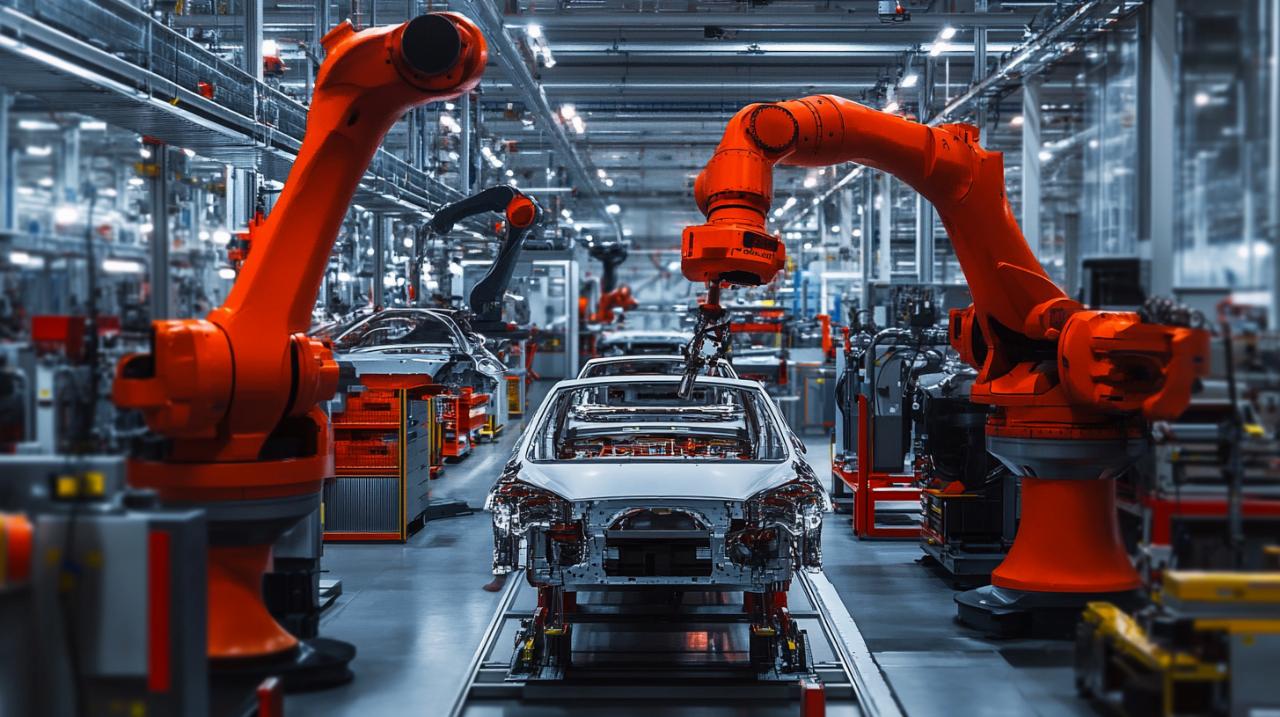
The automotive sector continues to embrace sophisticated packaging methodologies that transform operational capabilities. These professional approaches integrate cutting-edge materials with intelligent design principles, creating systems that enhance every stage of the manufacturing and distribution process. Companies offering end-to-end services from paper production to recycling enable manufacturers to implement comprehensive strategies that address both immediate operational needs and long-term environmental objectives.
Streamlining supply chain logistics for motor manufacturers
Supply chain efficiency determines competitive advantage in the automotive industry, where production schedules operate within narrow margins and inventory management must balance availability against storage costs. Professional packaging solutions contribute directly to logistics optimisation by standardising dimensions, improving stackability, and enabling automated handling throughout distribution networks. Pallet boxes and modular packaging systems allow for consistent loading patterns that maximise trailer space utilisation, reducing the number of shipments required to move equivalent volumes of components. This standardisation also facilitates automated warehousing systems that can process incoming materials more rapidly, addressing labour constraints that currently affect manufacturing operations. The automotive sector faces significant staffing challenges, with nearly five hundred thousand open positions in manufacturing due to workforce shortages. Automated solutions that work seamlessly with standardised packaging help manufacturers increase production efficiency without requiring proportional increases in manual labour. Smart packaging incorporates digital tools that enable better tracking and inventory management, allowing manufacturers to respond quickly to demand fluctuations. The adoption of reusable packaging systems further enhances logistics efficiency by eliminating the waste associated with single-use materials whilst creating closed-loop systems that reduce procurement costs. These approaches prove particularly valuable in the automotive aftermarket, where the rapid turnover of parts demands packaging solutions that support quick dispatch and reliable delivery to service centres and retailers.
Implementing Sustainable Packaging Practices in the Automotive Sector
Environmental considerations have moved from peripheral concerns to central strategic priorities within automotive manufacturing. Sustainable packaging practices offer manufacturers pathways to meet ambitious environmental goals whilst maintaining operational effectiveness. The focus on recyclable materials and renewable resources has driven innovation across the packaging industry, producing solutions that deliver environmental benefits without compromising protective capabilities. Eco-friendly packaging manufactured from recyclable cardboard and paper products provides manufacturers with alternatives to plastics and non-renewable materials that previously dominated logistics operations. These materials support circular economy principles by enabling complete recycling at end of life, with some systems designed for multiple reuse cycles before final recycling. Optimising packaging density represents another sustainability strategy that reduces material consumption whilst maintaining component protection. By designing packaging that precisely matches the dimensions and protection requirements of specific parts, manufacturers eliminate unnecessary material usage and reduce the volume of waste generated throughout the supply chain. Companies have implemented metal trays and improved packaging designs that demonstrate how sustainability initiatives can align with operational efficiency goals. The reduction of harmful materials and the transition towards fully recyclable alternatives contribute to measurable decreases in environmental impact across the automotive sector. These sustainability gains extend beyond regulatory compliance, offering manufacturers opportunities to strengthen their brand positioning with increasingly environmentally conscious consumers. The integration of sustainable practices into packaging strategies also prepares automotive companies for evolving regulations and market expectations that will continue to emphasise environmental responsibility in coming years. Digital tools facilitate these transitions by enabling better collaboration between engineering, procurement, and logistics departments, ensuring that packaging decisions support both operational and environmental objectives. The automotive industry's embrace of professional packaging solutions demonstrates how technical innovation can simultaneously address efficiency, cost, and sustainability challenges that define contemporary manufacturing success.