Keeping your vehicle in optimal condition requires consistent attention and care throughout the year. Whether you drive daily through bustling city streets or embark on long motorway journeys, understanding the fundamentals of proper upkeep ensures your car remains reliable, safe, and efficient. With the right approach to routine inspections and timely interventions, you can avoid costly repairs and enjoy a smoother, more comfortable driving experience for years to come.
Fundamental fluid management and engine care
Among the most crucial automobile maintenance tips is the regular monitoring and replacement of essential fluids that keep your engine running smoothly. Engine oil serves as the lifeblood of your vehicle, lubricating internal components and preventing excessive wear. Neglecting oil changes can lead to decreased performance, increased fuel consumption, and even catastrophic engine failure. Experts recommend changing your engine oil according to the manufacturer's guidelines, typically every six months or after a specified mileage, whichever comes first. Using the correct grade of oil for your vehicle type, whether it is a standard passenger car, an SUV, or a van, ensures optimal protection and efficiency.
The Importance of Regular Oil Changes and Filter Replacements
When you change your engine oil, it is equally important to replace the oil filter. This component traps contaminants and debris that accumulate over time, preventing them from circulating through the engine. A clogged or worn filter compromises the quality of lubrication, which can accelerate wear on critical engine parts. Many service centres offer comprehensive car servicing packages that include oil and filter changes alongside other essential checks. By scheduling regular service checks with a qualified mechanic, you can ensure that your vehicle receives the attention it needs to perform at its best. Additionally, reputable tyre and servicing providers often include free checks for brakes, batteries, and exhausts, making it convenient to address multiple maintenance needs in one visit.
Maintaining proper coolant and brake fluid levels
Beyond engine oil, your vehicle relies on several other fluids to function safely and efficiently. Coolant, for instance, regulates engine temperature and prevents overheating, particularly during the warmer months. It is essential to check coolant levels regularly and top them up as needed, ensuring the mixture is appropriate for the season. During summer, proper coolant levels and a well-functioning air conditioning system contribute to a comfortable cabin environment, while in winter, antifreeze properties protect the engine from freezing temperatures. Brake fluid is another critical component that demands regular inspection. This hydraulic fluid transmits the force from your brake pedal to the brake pads, enabling your vehicle to stop effectively. Low or contaminated brake fluid can compromise braking performance, posing a serious safety risk. Always top up fluids like coolant and brake fluid according to the manufacturer's recommendations, and consider professional brake checks to ensure your braking system remains in excellent condition.
Critical safety components and routine inspections
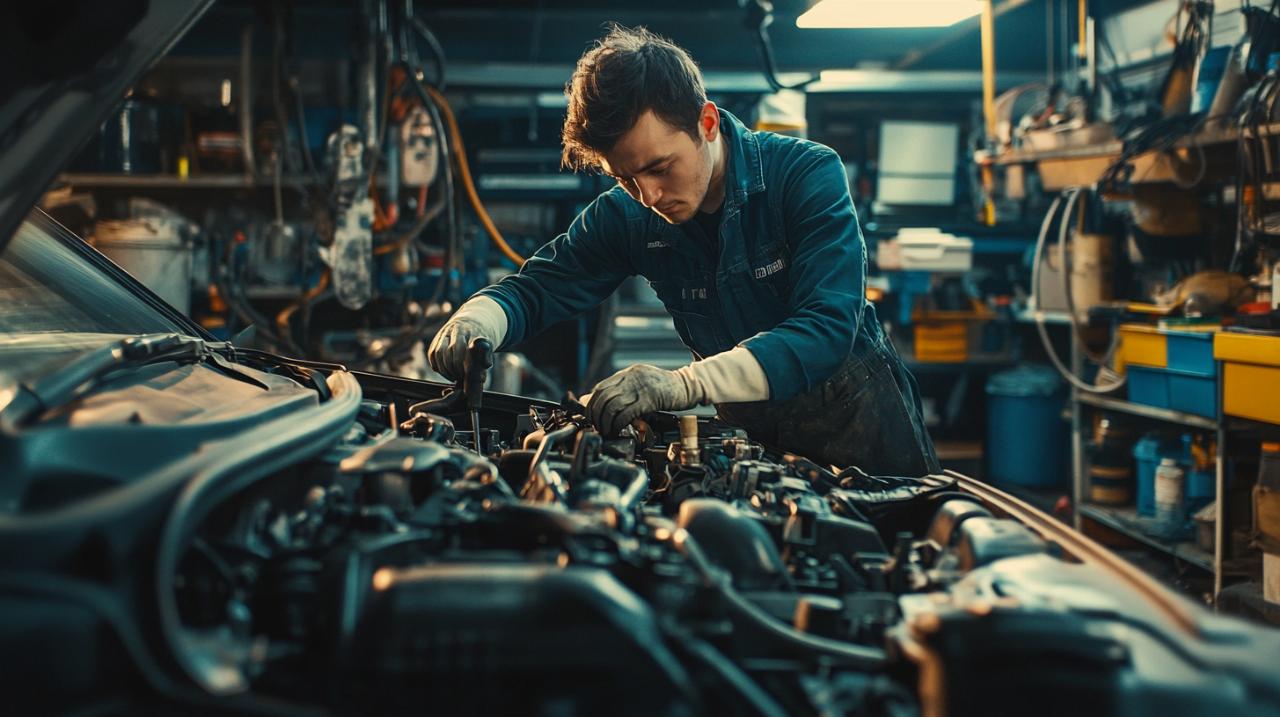
Safety should always be the top priority for any driver, and routine inspections of key components can prevent accidents and costly repairs. Tyres, brakes, and batteries are among the most critical elements that require regular attention. Modern tyre retailers offer a wide range of options, from all season tyres and winter tyres to high performance tyres and runflat tyres, catering to diverse driving needs and conditions. Whether you drive a compact car, a 4×4, or an electric vehicle, selecting the right tyres and maintaining them properly is essential for grip, handling, and overall safety on the road.
Tyre pressure monitoring and tread depth assessment
Checking tyre pressure and tread depth regularly is a simple yet vital task that can significantly impact your vehicle's performance and safety. Under-inflated tyres increase rolling resistance, leading to higher fuel consumption and uneven tread wear, while over-inflated tyres reduce contact with the road surface, compromising grip and stability. Maintaining the correct tyre pressure, as specified in your vehicle's handbook, ensures optimal performance and prolongs tyre life. Many service providers offer free tyre checks, making it easy to verify pressure levels and identify any issues before they escalate. Tread depth is equally important, as worn tyres struggle to disperse water effectively, increasing the risk of aquaplaning in wet conditions. The legal minimum tread depth in the United Kingdom is 1.6 millimetres, but experts recommend replacing tyres when tread reaches three millimetres for better safety margins. Reputable tyre brands such as Bridgestone, Continental, Michelin, Pirelli, and Goodyear offer durable, high-quality options designed to deliver reliable performance across various weather conditions. Additionally, services like online tyre purchase, mobile tyre fitting, and same day fitting provide convenient solutions for busy drivers who need prompt replacements without visiting a garage.
Battery terminal maintenance and brake pad evaluation
Your vehicle's battery is the heart of its electrical system, powering everything from the starter motor to the lights and infotainment system. Keeping the battery terminals clean is essential for maintaining a strong connection and preventing starting issues. Corrosion and dirt can accumulate on terminals over time, hindering the flow of electricity. Regularly inspecting and cleaning the terminals with a wire brush and applying a protective spray can extend battery life and prevent unexpected breakdowns. During the colder months, battery care becomes even more critical, as low temperatures can reduce battery capacity and make starting the engine more difficult. Free battery checks offered by many service centres can help identify weak cells or charging issues before they leave you stranded. Brake pads are another component that requires ongoing attention, as they wear down with use and must be replaced to maintain effective stopping power. Inspecting and replacing brake pads as needed ensures your vehicle can stop safely in all conditions. Worn brake pads can damage the brake discs, leading to more expensive repairs, so it is wise to address any signs of wear, such as squealing or reduced braking performance, promptly. Many garages provide free brake checks alongside other services, making it easy to monitor the condition of your braking system. Furthermore, services like wheel alignment and wheel balancing contribute to even tyre wear and improved handling, enhancing both safety and comfort on the road. By integrating these routine inspections into your vehicle maintenance schedule, you can enjoy peace of mind knowing that your car is in excellent condition and ready for any journey, whether it is a daily commute or a long-distance adventure across the countryside.