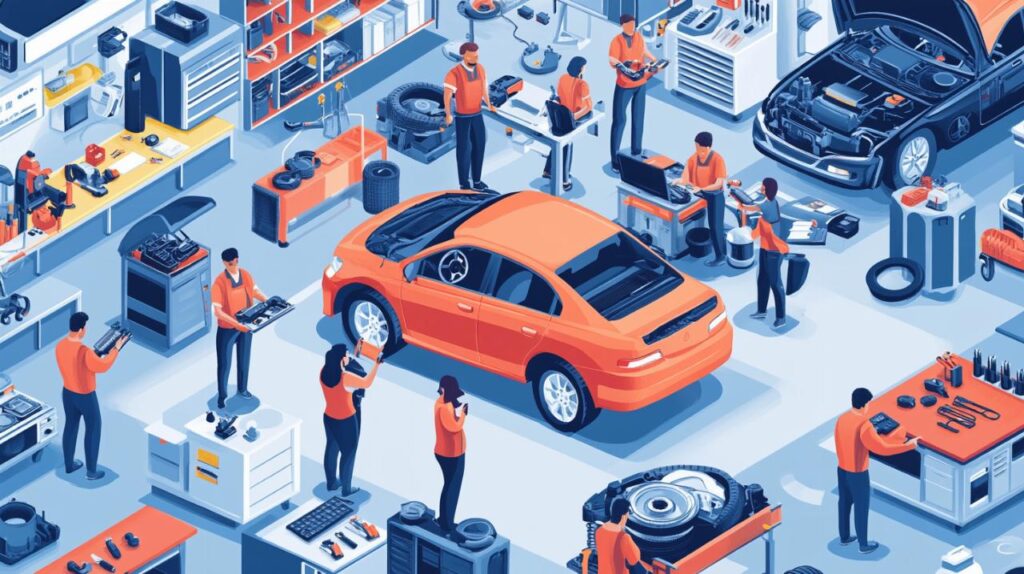
Keeping your vehicle in optimal condition requires dedication and awareness of the key areas that demand regular attention. Every driver benefits from understanding the basics of automobile maintenance tips, which not only extend the lifespan of your car but also ensure your safety on the road. From engine care to tyre checks, the journey towards a well-maintained vehicle begins with consistent, informed actions that prevent costly repairs and unexpected breakdowns.
Fundamental engine and fluid care
Regular oil changes and engine health
The heart of any vehicle lies in its engine, and maintaining proper lubrication is paramount to its longevity. Regular engine oil changes stand as one of the most critical automobile maintenance tips, as oil degrades over time and loses its ability to protect moving parts from friction and heat. Experts recommend servicing your car every twelve months or after covering between ten thousand and twelve thousand miles, whichever comes first. The oil level should always rest between the minimum and maximum markers on the dipstick, ensuring that your engine receives adequate lubrication without overfilling. Neglecting this simple check can lead to increased wear on internal components, reduced fuel efficiency, and eventually catastrophic engine failure. By adhering to the recommended oil change intervals outlined in your vehicle handbook, you safeguard the engine's performance and contribute to smoother, more reliable journeys.
Monitoring essential fluid levels
Beyond engine oil, your vehicle relies on several other fluids to operate safely and efficiently. Coolant circulates through the engine to prevent overheating, particularly during warmer months or prolonged drives. Regularly checking the coolant level ensures that your engine maintains an optimal temperature, avoiding the risk of warping or cracking vital components. Brake fluid, though often overlooked, plays an equally crucial role in your vehicle's safety system. This fluid is corrosive by nature and can attract moisture over time, which may compromise braking performance. Inspecting brake fluid levels and topping them up as necessary helps maintain responsive braking, especially in emergency situations. Screen wash should also be replenished regularly to ensure clear visibility, as a clean windscreen is essential for safe driving. By integrating these fluid checks into your monthly inspections, you create a robust routine that prevents minor issues from escalating into major mechanical problems.
Tyre and brake safety essentials
Proper tyre pressure maintenance
Tyres serve as the only point of contact between your vehicle and the road, making their condition a critical factor in overall safety and performance. Maintaining correct tyre pressure not only enhances fuel efficiency but also ensures optimal handling and reduces the risk of blowouts. Monthly tyre inspections are recommended, and a simple method involves using a twenty pence coin to check the tread depth. The minimum legal tread depth stands at 1.6 millimetres, though experts suggest aiming for at least three millimetres during winter months to cope with wet and icy conditions. Underinflated tyres increase rolling resistance, leading to higher fuel consumption and uneven wear, while overinflated tyres reduce the contact patch and compromise grip. Regularly checking tyre pressure and adjusting it according to the manufacturer's specifications promotes safer driving and extends the life of your tyres, ultimately saving you money on replacements.
Brake inspection and performance
Your vehicle's brake system represents one of the most vital safety features, and regular inspection ensures that it functions correctly when you need it most. Brake pads wear down over time, and detecting thinning pads early prevents damage to the brake discs and reduces the risk of brake failure. Listen for unusual noises such as squealing or grinding, which often indicate that the pads require replacement. Additionally, ensure that the brake fluid level remains within the recommended range, as low fluid can lead to reduced braking efficiency. Many full vehicle services include comprehensive brake assessments, covering both the mechanical components and the fluid condition. By prioritising brake maintenance, you enhance your ability to respond swiftly to hazards and maintain control in various driving conditions, thereby protecting yourself and other road users.
Filter and air quality management
Air filter replacement guidelines
The air filter serves as a gatekeeper for your engine, ensuring that only clean air reaches the combustion chamber. Over time, dust, debris, and pollutants accumulate on the filter, restricting airflow and diminishing engine performance. Replacing the air filter at intervals specified in your vehicle handbook prevents this build-up and maintains optimal fuel efficiency. A clogged air filter forces the engine to work harder, increasing fuel consumption and reducing power output. In contrast, a fresh filter allows the engine to breathe freely, promoting smoother acceleration and better throttle response. This simple yet effective maintenance step contributes significantly to the overall health of your vehicle and can prevent more serious issues from developing.
Maintaining clean engine filtration
In addition to the air filter, other filtration systems within your vehicle require attention to ensure peak performance. The fuel filter, for instance, prevents contaminants from entering the engine and causing damage to fuel injectors. Regular replacement of these filters, as part of a comprehensive service schedule, safeguards the intricate components of your vehicle's fuel system. Clean filtration not only enhances engine efficiency but also reduces emissions, contributing to a cleaner environment. By incorporating filter checks into your routine maintenance, you support the longevity of your engine and maintain consistent performance across various driving conditions.
Electrical system and battery care
Battery maintenance best practices
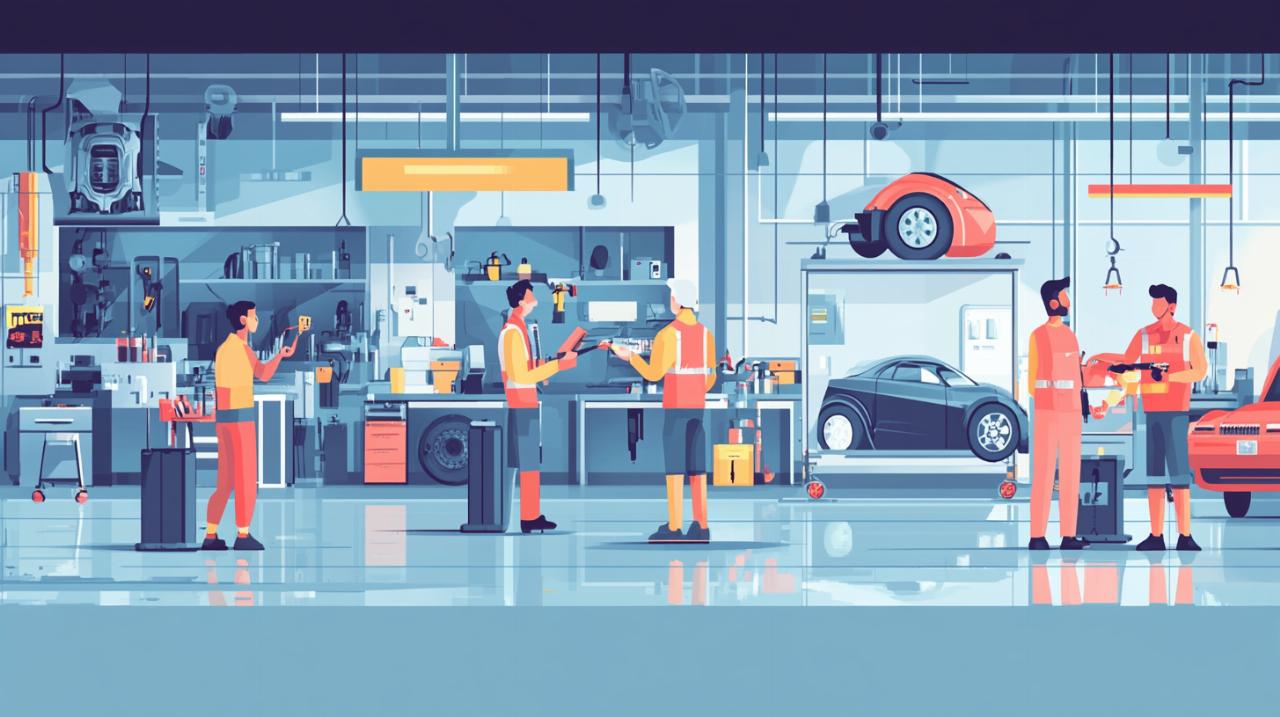
A reliable battery is essential for starting your vehicle and powering its electrical systems. Battery-related faults become particularly common during winter, as colder temperatures reduce the battery's capacity and increase the demand on the starting system. Regularly checking the battery involves inspecting the terminals for corrosion, ensuring secure connections, and testing the charge level. Corrosion can impede the flow of electricity, leading to starting difficulties and electrical malfunctions. Cleaning the terminals with a wire brush and applying a protective coating helps prevent corrosion and prolongs battery life. Additionally, if your vehicle remains unused for extended periods, consider using a trickle charger to maintain the battery's charge and avoid unexpected failures.
Ensuring reliable starting power
Beyond physical maintenance, monitoring the age of your battery is crucial, as most batteries have a lifespan of around three to five years. Testing the battery's voltage and cranking power periodically provides insight into its condition and allows you to replace it before it fails. Many service centres offer free battery checks, making it convenient to stay informed about your battery's health. By addressing battery issues proactively, you avoid the inconvenience of breakdowns and ensure that your vehicle starts reliably in all weather conditions. This attention to the electrical system complements your broader maintenance efforts and contributes to overall vehicle dependability.
Visibility and wiper system upkeep
Wiper blade replacement schedule
Clear visibility is fundamental to safe driving, and your wiper blades play a vital role in maintaining this clarity. Over time, wiper blades deteriorate due to exposure to sunlight, temperature fluctuations, and general wear, resulting in streaking, smearing, or incomplete coverage. Replacing worn wiper blades at the first sign of reduced performance ensures that you can effectively clear rain, snow, and debris from your windscreen. Experts recommend inspecting wiper blades every six months and replacing them annually or whenever you notice diminished effectiveness. This inexpensive yet essential maintenance task significantly enhances your ability to see clearly in adverse weather conditions, reducing the risk of accidents caused by impaired visibility.
Maintaining clear windscreen vision
In addition to replacing wiper blades, inspecting the windscreen itself for chips and cracks is equally important. Even small chips can expand over time due to temperature changes and vibrations, eventually requiring costly windscreen replacements. Addressing minor damage promptly through professional repair services prevents the issue from worsening and maintains the structural integrity of your windscreen. Keeping your screen wash reservoir filled ensures that you can quickly remove dirt and grime, further supporting clear vision. By combining wiper blade maintenance with regular windscreen inspections, you create a comprehensive approach to visibility that enhances safety and driving comfort.
Creating your regular servicing schedule
Understanding service intervals
Establishing a regular servicing schedule forms the backbone of effective vehicle maintenance. Consulting your vehicle handbook reveals the manufacturer's recommended intervals, which typically fall around every twelve months or after covering ten thousand to twelve thousand miles. Adhering to these intervals ensures that your vehicle receives comprehensive assessments covering tyres, engine, brakes, fuel system, and electrics. A full vehicle service includes up to seventy-five maintenance checks, identifying potential issues before they escalate into expensive repairs. Professional mechanics possess the expertise and diagnostic tools necessary to detect problems that may not be immediately apparent during routine inspections, providing peace of mind and preserving your vehicle's value.
Planning preventative maintenance
Preventative maintenance extends beyond scheduled services, encompassing monthly checks that you can perform independently. Inspecting lights regularly ensures that all bulbs function correctly, enhancing visibility and compliance with road regulations. Checking for bodywork damage, such as rust or dents, allows you to address cosmetic issues before they lead to structural deterioration. Leasing contracts with included maintenance or fixed monthly payment maintenance options can simplify budget management, spreading the cost of upkeep over the term of your agreement. By integrating these regular checks alongside professional servicing, you cultivate a proactive maintenance culture that keeps your vehicle running efficiently and reduces the likelihood of unexpected breakdowns. This disciplined approach not only protects your investment but also fosters confidence in your vehicle's reliability, allowing you to focus on the journey ahead with peace of mind.