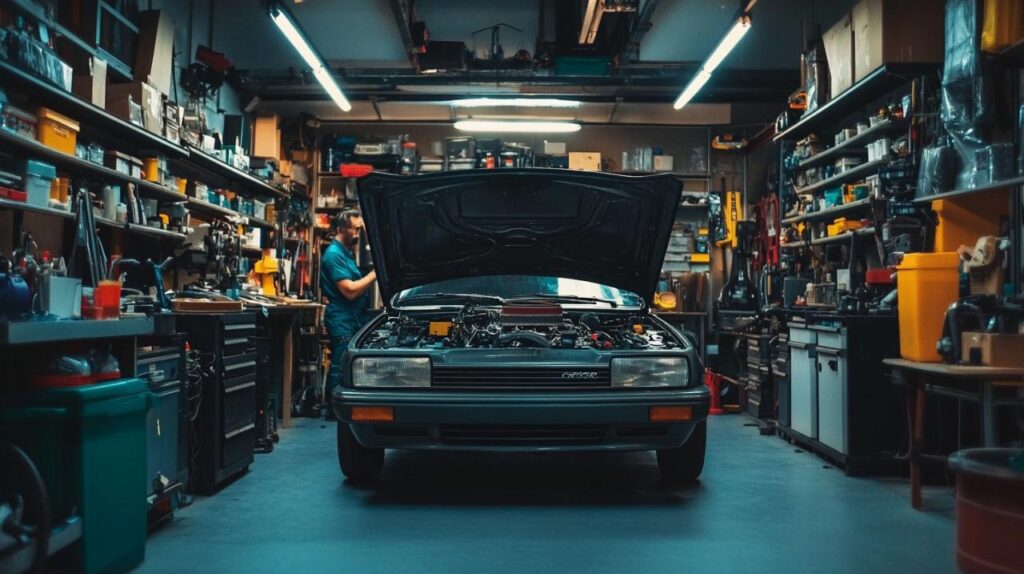
Keeping your vehicle in top condition requires diligence and a clear understanding of the tasks that matter most. Whether you are a new driver or a seasoned motorist, grasping the fundamental car maintenance tips will not only enhance your vehicle's performance but also ensure your safety on the road. By dedicating time to routine inspections and timely interventions, you can avoid costly repairs and extend the lifespan of your automobile significantly.
Engine care and lubrication fundamentals
Your engine is the heart of your vehicle, and maintaining its health is paramount. One of the most critical car maintenance tips involves regularly checking and changing your engine oil. Oil lubricates the moving parts within the engine, reducing friction and preventing overheating. Over time, oil degrades and accumulates contaminants, which can compromise engine performance and lead to premature wear. Establishing a routine to monitor your oil levels monthly and topping up when necessary can prevent serious damage. If the oil appears dark or gritty, it is time for a complete change. Neglecting this simple task may result in significant engine trouble down the line.
Monitoring and changing your engine oil
Checking your engine oil is straightforward yet vital. Begin by ensuring your vehicle is parked on level ground and the engine is cool. Locate the dipstick, pull it out, wipe it clean, then reinsert it fully before removing it again to check the level. The oil should sit between the minimum and maximum markers. If it is below the minimum, add the appropriate grade of oil immediately. Changing the oil at intervals recommended by your manufacturer keeps the engine running smoothly and efficiently. Many drivers overlook this fundamental step, but it remains one of the most effective ways to preserve engine integrity.
Understanding oil grades and service intervals
Different engines require different oil grades, and using the correct specification is essential for optimal performance. Consult your owner's manual to identify the recommended viscosity and type. Modern engines often benefit from synthetic oils, which offer superior protection and longer service intervals. Adhering to the service schedule outlined by the manufacturer ensures that oil changes occur before degradation affects performance. Regular intervals vary depending on driving conditions, but a general guideline suggests changing oil every six months or five thousand miles, whichever comes first. Staying informed about these details empowers you to make decisions that support long-term vehicle health.
Tyre Maintenance for Safety and Efficiency
Tyres are your vehicle's only contact with the road, making their condition critical for both safety and fuel efficiency. Regularly checking tyre pressure and tread depth should be part of your monthly routine. Underinflated tyres increase rolling resistance, leading to higher fuel consumption and uneven wear. Overinflated tyres can reduce traction and make handling unpredictable. Maintaining the correct pressure, as specified in your vehicle handbook or on the door jamb sticker, ensures optimal performance and extends tyre lifespan.
Checking tyre pressure and tread depth
Using a reliable pressure gauge, measure your tyre pressure when the tyres are cold, as heat from driving can give false readings. Adjust the pressure to match the manufacturer's recommendation. Tread depth is equally important; the legal minimum in the United Kingdom is 1.6 millimetres across the central three-quarters of the tyre. However, replacing tyres before they reach this limit improves grip, especially in wet conditions. A simple test involves inserting a twenty-pence coin into the tread grooves. If the outer band of the coin is visible, it is time to replace the tyre. Regular inspections help you spot issues such as cracks, bulges, or uneven wear that may indicate alignment or suspension problems.
Rotation patterns and seasonal tyre considerations
Rotating your tyres at regular intervals promotes even wear and prolongs their useful life. Front tyres typically wear faster due to steering and braking forces, so swapping them with rear tyres can balance the wear. Consult your vehicle manual for the recommended rotation pattern, as some vehicles with directional or asymmetric tyres require specific procedures. Additionally, consider seasonal changes. In colder months, winter tyres provide better grip on icy and snowy roads, while summer tyres perform optimally in warmer weather. Switching between seasonal tyres not only enhances safety but also improves fuel economy and handling throughout the year.
Battery health and electrical system upkeep
The battery powers your vehicle's electrical systems and is essential for starting the engine. Keeping battery terminals clean and free from corrosion ensures a reliable connection and prevents starting failures. A buildup of white or greenish residue around the terminals can impede current flow and reduce battery performance. Regularly inspecting and cleaning these connections with a wire brush and a solution of bicarbonate of soda and water can extend battery life and prevent unexpected breakdowns.
Cleaning battery terminals and connections
Disconnect the battery before cleaning, starting with the negative terminal to avoid short circuits. Remove any corrosion carefully, ensuring that both terminals and cable ends are spotless. Once clean, reconnect the terminals securely, starting with the positive terminal. Applying a thin layer of petroleum jelly can help prevent future corrosion. This simple maintenance task takes only a few minutes but can save you from the inconvenience of a dead battery, especially during colder months when batteries are more prone to failure.
Testing battery performance and lifespan
Modern batteries typically last between three and five years, but their lifespan can vary based on usage and climate. If your vehicle struggles to start or electrical components behave erratically, the battery may be nearing the end of its life. Many garages and automotive retailers offer free battery testing, which can identify issues before they leave you stranded. Regular driving helps maintain battery charge, so if your vehicle sits idle for extended periods, consider using a trickle charger to keep the battery healthy. Monitoring battery health proactively reduces the risk of unexpected failures and keeps your vehicle running reliably.
Air filter maintenance and replacement
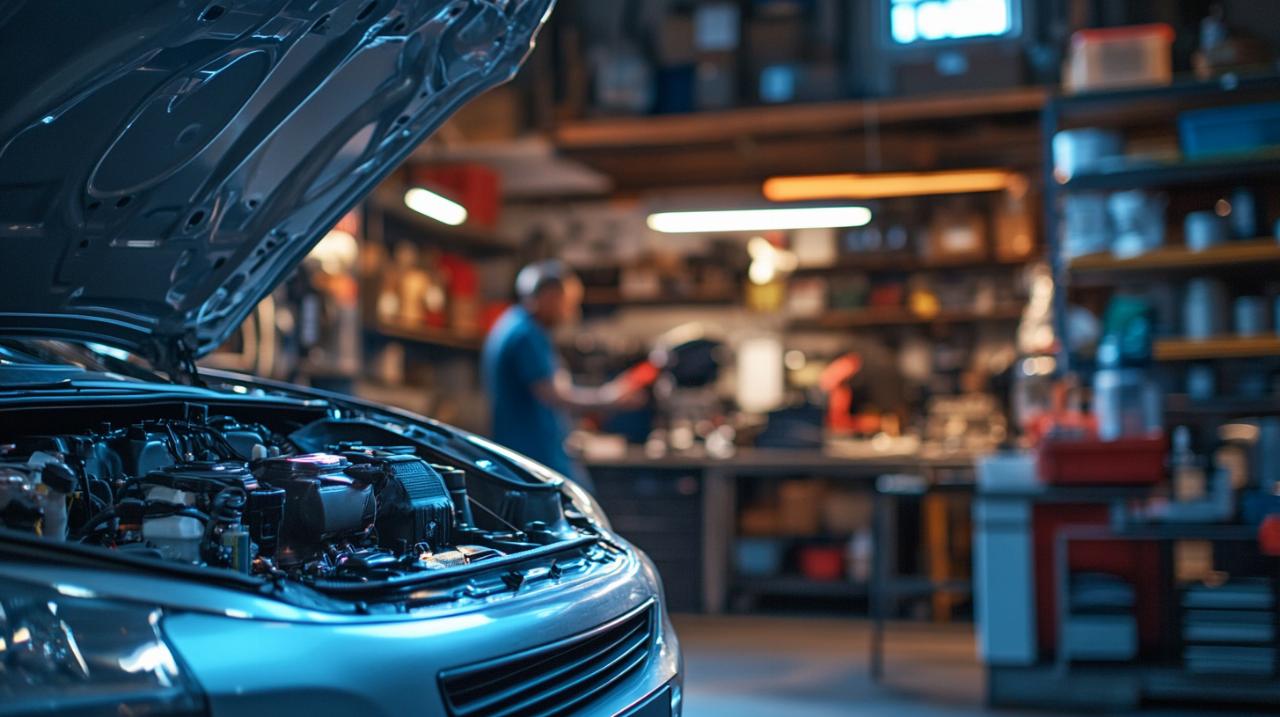
The air filter prevents dust, debris, and contaminants from entering the engine, ensuring that only clean air mixes with fuel during combustion. A clogged air filter restricts airflow, reducing engine efficiency and increasing fuel consumption. Regularly inspecting and replacing the air filter is a straightforward task that can yield noticeable improvements in performance and economy.
Recognising when your air filter needs replacing
Most manufacturers recommend replacing the air filter every twelve to twenty-four months, but this can vary depending on driving conditions. If you frequently drive on dusty or unpaved roads, more frequent changes may be necessary. Signs of a dirty air filter include reduced acceleration, decreased fuel economy, and unusual engine sounds. Visually inspecting the filter can also reveal its condition; if it appears dark and clogged, replacement is overdue. Accessing the air filter is usually simple, requiring only basic tools and a few minutes of your time.
Benefits of Clean Air Filters for Engine Performance
A clean air filter allows the engine to breathe freely, optimising combustion and power output. Improved airflow translates to better throttle response and smoother operation. Additionally, a fresh filter reduces strain on the engine, potentially extending its lifespan. This modest investment in maintenance pays dividends in performance, efficiency, and reliability. By prioritising air filter replacement, you contribute to the overall health of your vehicle and enjoy a more responsive driving experience.
Brake system inspection and servicing
Brakes are arguably the most critical safety feature of your vehicle. Regular inspection and servicing of the brake system ensure that you can stop effectively in all conditions. Brake pads wear down over time, and worn pads reduce braking efficiency and can damage the discs. Listening for unusual noises such as squealing or grinding when braking can indicate that pads need attention. Additionally, checking brake fluid levels and ensuring the fluid is clean and free from moisture are essential tasks.
Examining brake pads and disc condition
Most brake pads have wear indicators that produce a squealing sound when the pads are thin. If you hear this noise, schedule an inspection promptly. During a visual check, look for uneven wear or scoring on the discs, which can compromise braking performance. Replacing brake pads before they are completely worn prevents damage to the discs and maintains consistent stopping power. Professionals can measure pad thickness and assess disc condition accurately, so regular servicing with a qualified mechanic is advisable.
Brake fluid checks and replacement guidelines
Brake fluid is hygroscopic, meaning it absorbs moisture from the air over time. This moisture can lower the fluid's boiling point and lead to brake fade under heavy use. Checking the brake fluid reservoir regularly ensures the level remains between the minimum and maximum markers. If the fluid appears dark or contaminated, it is time for a replacement. Most manufacturers recommend changing brake fluid every two years, but consult your vehicle handbook for specific guidance. Maintaining clean, adequately filled brake fluid is crucial for responsive and reliable braking.
Professional servicing and routine check-ups
While many maintenance tasks can be performed at home, professional servicing remains essential for comprehensive vehicle care. Certified mechanics have the expertise and equipment to identify issues that may not be apparent during routine checks. Scheduling regular services according to your manufacturer's schedule ensures that all systems are inspected, adjusted, and repaired as needed.
Scheduling regular services with certified mechanics
Adhering to the service intervals outlined in your owner's manual helps maintain your vehicle's warranty and ensures optimal performance. Services typically include oil and filter changes, fluid top-ups, and inspections of critical components such as brakes, suspension, and exhaust systems. Building a relationship with a trusted garage or service centre provides peace of mind and ensures that your vehicle receives consistent, high-quality care. Professional mechanics can also advise on upcoming maintenance needs and recommend preventative measures to avoid costly repairs.
What to Expect During a Full Vehicle Service
A comprehensive service involves a thorough inspection of your vehicle's major systems. Technicians will check fluid levels, test battery performance, inspect tyres and brakes, and examine the exhaust system for leaks or damage. They will also assess the condition of belts, hoses, and filters, replacing any components that show signs of wear. After the service, you should receive a detailed report outlining the work performed and any recommendations for future maintenance. This transparency allows you to plan and budget for necessary repairs, ensuring your vehicle remains safe and reliable.
Essential fluid level monitoring
Beyond engine oil and brake fluid, several other fluids are vital to your vehicle's operation. Coolant prevents the engine from overheating and protects against freezing in winter. Regularly checking coolant levels and ensuring the mixture is correct can prevent engine damage and costly repairs. Washer fluid may seem less critical, but maintaining visibility in all weather conditions is essential for safe driving.
Checking coolant and antifreeze levels
The coolant reservoir is typically located near the radiator and marked with minimum and maximum levels. Check the level when the engine is cold to avoid injury from hot fluid. If the level is low, top up with the correct type of coolant or a pre-mixed solution. Never open the radiator cap when the engine is hot, as pressurised coolant can cause severe burns. Inspecting hoses and connections for leaks or cracks during coolant checks can prevent breakdowns and engine overheating.
Maintaining washer fluid and other essential fluids
Washer fluid keeps your windscreen clear of dirt, grime, and insects, which is crucial for visibility. Refilling the reservoir is simple and should be done regularly, especially during winter when road salt and spray are prevalent. Power steering fluid and transmission fluid are also worth checking periodically, though they typically require less frequent attention. Consult your vehicle manual for the correct types and topping-up procedures. By staying on top of fluid levels, you ensure that your vehicle operates smoothly and safely in all conditions.