
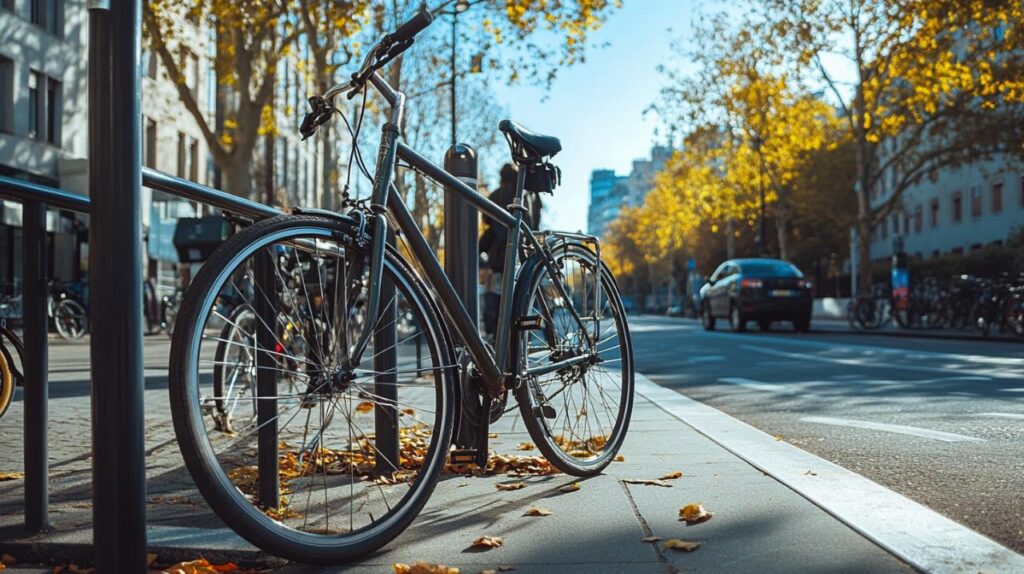
As cycling continues to grow in popularity across the United Kingdom, securing your bicycle against theft has become an essential skill for every rider. Beyond simply owning a lock, effective bike security requires understanding which locking methods work best, where to park legally and safely, and how to navigate the various street furniture regulations that govern cycle parking in urban areas. This comprehensive guide explores the most reliable techniques and strategies to protect your investment whilst remaining compliant with local rules and regulations.
Choosing the Right Lock and Locking Technique for Maximum Security
The foundation of effective bike security begins with selecting a robust lock that matches the value and type of your bicycle. High-quality locks serve as the primary deterrent against opportunistic thieves who often target bikes secured with inferior products. When considering your options, it is crucial to recognise that not all locks provide the same level of protection, and understanding the differences can mean the difference between finding your bike where you left it or discovering an empty parking space.
Understanding the Different Types of Bike Locks: U-Locks, Chain Locks, and Cable Locks
U-locks, also known as D-locks, represent the gold standard in bicycle security for most urban cyclists. These rigid, horseshoe-shaped locks are constructed from hardened steel and resist common theft methods such as bolt cutters and leverage attacks. Their compact design makes them ideal for securing the frame and one wheel to an immovable object, though their size can sometimes limit where they can be attached. When selecting a U-lock, experts recommend choosing one with a Sold Secure rating, with Silver-rated locks suitable for bicycles valued under one thousand pounds and Gold-rated locks for those exceeding this threshold.
Chain locks offer greater flexibility than U-locks, allowing cyclists to secure their bikes around larger or irregularly shaped objects. Modern security chains are typically encased in protective fabric to prevent scratching of the bike frame whilst maintaining substantial resistance to cutting tools. The trade-off for this versatility often comes in the form of added weight, making chain locks less convenient for long-distance rides but excellent for securing bikes at home or in regular commuting locations. For maximum protection, combining a chain lock with a U-lock provides redundancy that significantly increases the time and effort required for a thief to succeed.
Cable locks, whilst lightweight and convenient, should generally be considered supplementary rather than primary security devices. Their construction, typically featuring braided steel cables within a vinyl coating, can be compromised relatively quickly with the right tools. However, cable locks serve an important role when used alongside more robust locks to secure components such as the front wheel or saddle that might otherwise be vulnerable to quick-release theft. The key principle is layering security measures to create multiple obstacles that discourage would-be thieves from targeting your bicycle.
Best Practices for Securing Both the Frame and Wheels to Immovable Objects
Proper locking technique is as important as the quality of the lock itself. The most fundamental rule is to always secure your bike to a solid, immovable object that cannot be easily dismantled or lifted over. Simply locking the frame to itself or securing only a wheel offers minimal protection, as thieves can quickly remove unlocked components or carry away the entire bicycle. When attaching your lock, position it so that the frame and at least one wheel pass through the lock's shackle, minimising any space that could allow leverage tools to be inserted.
The height at which you position your lock also affects security. Placing the lock close to the ground reduces the opportunity for thieves to use the pavement as a fulcrum for leverage attacks, whilst positioning it too high may make it easier to manipulate. Threading the lock through the rear triangle of the frame, where the chain stays and seat stays meet, provides the strongest attachment point. If possible, remove the front wheel and secure it alongside the rear wheel and frame within the same lock, or use a secondary cable or lock to protect it independently.
Another often-overlooked aspect of proper locking involves minimising the internal space within the lock when secured. The tighter the lock fits around the bike and the fixed object, the less room there is for prying tools to gain purchase. This means choosing a lock that appropriately matches the circumference of what you are securing it to, avoiding oversized locks when smaller ones would suffice. Additionally, positioning the lock cylinder facing downward makes it more difficult for thieves to tamper with the mechanism or insert tools designed to defeat the locking mechanism.
Strategic Location Selection: Where to Lock Your Bike Safely in the UK
Even the most sophisticated lock provides limited protection if the bicycle is parked in an isolated or poorly chosen location. Strategic site selection combines visibility, accessibility, and compliance with local regulations to create an environment where theft is both difficult and risky for potential criminals. Understanding where and how to park your bicycle within the framework of UK street furniture regulations ensures you remain on the right side of the law whilst maximising security.
Identifying well-lit, high-traffic areas for optimal theft deterrence
Visibility serves as one of the most powerful deterrents against bicycle theft. Thieves prefer to work quickly and without witnesses, making brightly lit areas with consistent pedestrian traffic far less attractive targets. When choosing where to secure your bike, seek locations that maintain high visibility throughout the times your bicycle will be parked. This might include spots near shop windows, building entrances, or busy transport hubs where natural surveillance from passersby creates an informal security presence.
Locking your bike in visible areas not only reduces theft risk but also increases the likelihood that suspicious activity will be noticed and reported. Areas with active CCTV coverage provide an additional layer of security, as cameras both deter theft attempts and provide evidence should an incident occur. Many cyclists find that establishing regular parking spots in familiar, well-trafficked locations allows them to build awareness among local workers or residents, who may notice unusual activity around their bicycle during the day.
Time of day considerations also play a role in location selection. A spot that feels safe and busy during morning rush hour may become isolated and vulnerable late at night. For those who park their bikes for extended periods, choosing locations that maintain consistent foot traffic throughout the day and evening offers the most comprehensive protection. When evening parking is unavoidable, prioritising areas near restaurants, entertainment venues, or transport stations ensures that your bicycle remains in view of potential witnesses rather than tucked away on a quiet side street.
Navigating uk street furniture regulations and approved cycle parking points
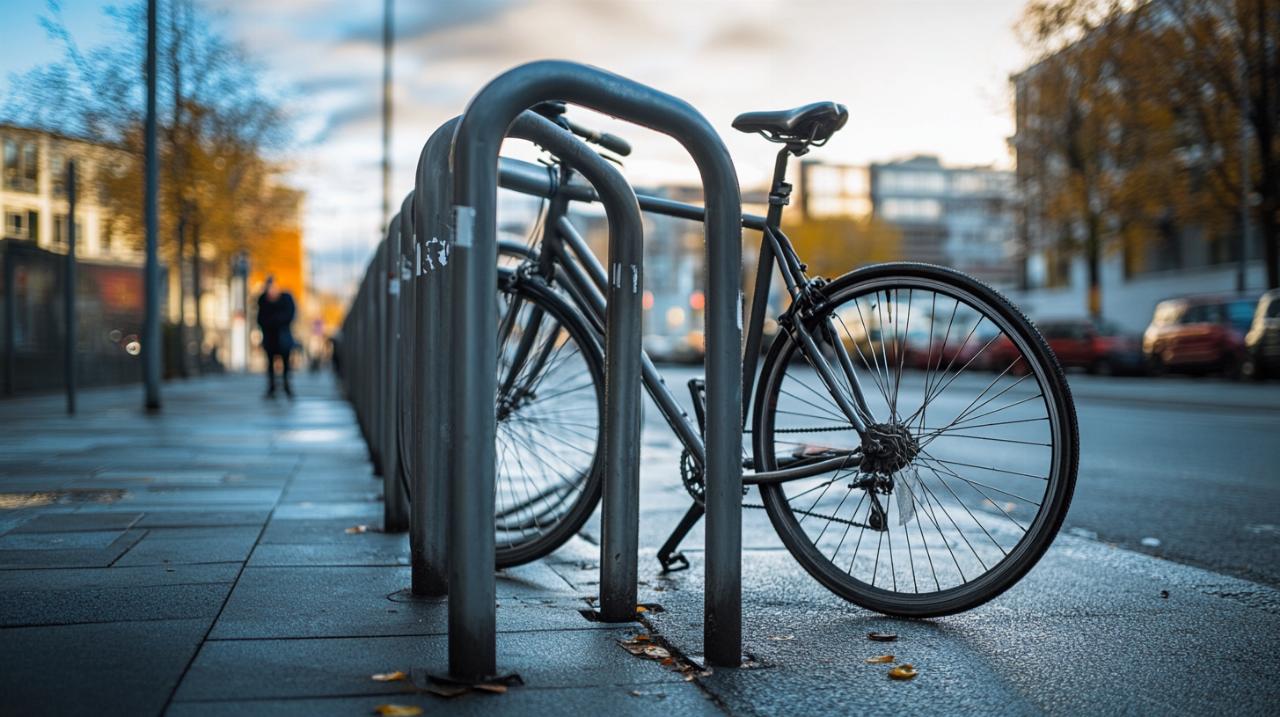
Legal compliance is an essential yet often overlooked aspect of bicycle parking in the United Kingdom. Local authorities regulate where and how bikes may be secured to street furniture to maintain pedestrian access, prevent obstruction, and preserve public spaces. Dedicated bicycle parking facilities, such as Sheffield stands and designated cycle parking zones, represent the safest and most legally sound option for securing your bike. London alone provides approximately one hundred and fifty thousand on-street cycle parking spaces, demonstrating the growing infrastructure dedicated to bicycle security.
Using approved cycle parking points ensures that your bicycle is secured to infrastructure specifically designed to withstand theft attempts whilst meeting accessibility standards. These dedicated facilities are strategically positioned to balance convenience for cyclists with the needs of other pavement users, reducing the risk that your bike might be moved or removed by authorities. Many councils have published maps and guides indicating the locations of official cycle parking, allowing cyclists to plan their routes and destinations around available secure parking.
When dedicated cycle parking is unavailable, cyclists may secure their bikes to other street furniture, but must do so responsibly. Acceptable attachment points typically include designated railings and properly anchored street posts, whilst inappropriate locations include bus stops, accessibility ramps, and narrow pavements where secured bikes would obstruct pedestrian flow. Attaching bikes to temporary structures, lightweight railings, or movable objects not only compromises security but may also violate local bylaws, potentially resulting in the bike being removed by council enforcement officers. Understanding these regulations helps cyclists make informed choices that protect both their property and their standing within the community.
Enhanced Security Measures and Expert Recommendations for Cyclists
Beyond fundamental locking techniques and location selection, advanced security strategies and community resources provide additional layers of protection for cyclists of all experience levels. From specialised equipment for cargo bikes to leveraging collective knowledge through cycling organisations, these enhanced measures help riders stay ahead of evolving theft tactics and maintain comprehensive protection for their bicycles and equipment.
Utilising Additional Security Features on Cargo Bikes and Specialist Cycles
Cargo bikes, e-bikes, and other specialist cycles present unique security challenges due to their higher value and distinctive appearances. These bicycles often feature integrated components such as electrical systems, custom storage, and specialised frames that make them particularly attractive targets for thieves. Securing such bikes requires adapted strategies that account for their size, weight, and vulnerability. Many cargo bike owners employ multiple locks simultaneously, securing different parts of the frame and components to create a complex web of security that significantly increases the time and tools required for theft.
Electronic security features have become increasingly sophisticated, with GPS tracking devices, motion-activated alarms, and smartphone-integrated locking systems offering real-time monitoring and alerts. Whilst these technological solutions do not replace physical locks, they provide valuable recovery options should a theft occur and serve as additional deterrents. Some e-bikes include removable batteries that can be taken indoors, eliminating one of the most valuable components from potential theft. For cyclists investing in high-value specialist bikes, these layered security approaches reflect the principle that comprehensive protection requires multiple independent systems working in concert.
Insurance represents another critical component of cargo bike and specialist cycle protection. Policies specifically designed for cyclists cover theft and damage whilst often including gear and accessories within the coverage. When selecting insurance, cyclists should ensure their policy matches the full replacement value of their bicycle and equipment, including any modifications or upgrades. Specialised providers offer coverage for various types of bikes, including road, mountain, e-bike, gravel, cargo, and commuter bicycles, with claims processes designed to provide support throughout the recovery or replacement journey. Insurance not only provides financial protection but also peace of mind, allowing cyclists to enjoy their rides without constant anxiety about potential loss.
Staying informed through local bicycle federations and community theft prevention schemes
Cycling organisations and federations play a vital role in disseminating current information about theft trends, security recommendations, and best practices. Established bodies with extensive campaigning experience provide guidance that evolves with changing criminal tactics and technological advances in security products. Following advice from these organisations helps cyclists stay updated on effective theft prevention tips, ensuring that security measures remain current rather than relying on outdated methods that may no longer provide adequate protection.
Community-based theft prevention schemes foster collective vigilance and information sharing among local cyclists. Neighbourhood cycling groups often maintain communication networks where members report suspicious activity, share stolen bike alerts, and coordinate surveillance of common parking areas. These grassroots initiatives complement official police efforts and create social bonds that strengthen overall community safety. Many areas have established bike registration schemes that catalogue frame numbers, photographs, and distinguishing features, significantly improving recovery rates when thefts do occur.
Participation in cycling events and community projects creates opportunities to learn from experienced riders and security experts whilst building relationships that enhance personal safety. Annual initiatives and regular gatherings provide forums for discussing local security concerns, sharing successful deterrent strategies, and advocating for improved cycling infrastructure. By engaging with these communities, cyclists gain access to collective wisdom that extends far beyond individual research, benefiting from the experiences and innovations of fellow riders who have tested and refined security approaches in real-world conditions. This collaborative approach to safety ensures that all cyclists, regardless of experience level, have access to the knowledge and support needed to protect their bicycles effectively whilst enjoying the freedom and benefits that cycling offers.