
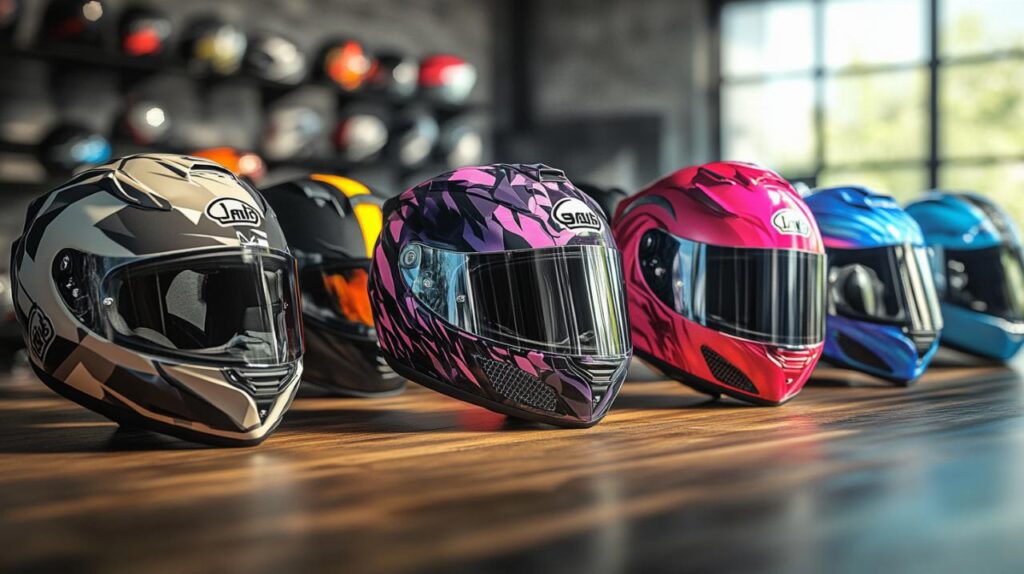
Riding a motorcycle is exhilarating, but it comes with challenges that every biker must address, and one of the most overlooked is noise. The constant roar of wind and engine can turn a pleasant journey into an exhausting ordeal, making the choice of helmet a critical factor in rider comfort and safety. Modern technology has significantly improved the acoustic performance of helmets, with some designs capable of reducing noise levels by up to twenty decibels compared to older models. Understanding the different types of motorcycle helmets and their sound insulation properties is essential for anyone seeking a quieter, more enjoyable ride.
Understanding the Core Types of Motorcycle Helmets and Their Sound Insulation Properties
Motorcycle helmets come in a variety of designs, each offering a different balance between protection, comfort, and acoustic insulation. The type of helmet you choose can dramatically affect how much wind and engine noise you experience during your ride. Full-face integral helmets and open-face jet helmets represent two ends of the spectrum, with integral helmets providing the most comprehensive noise reduction and jet helmets favouring a retro aesthetic at the expense of sound dampening.
Full-face integral helmets: maximum protection and noise reduction
Full-face integral helmets are the gold standard when it comes to both safety and noise reduction. These helmets completely enclose the head, including the chin and face, creating a sealed environment that significantly reduces wind and engine noise intrusion. The design minimises gaps through which sound can enter, and modern aerodynamic shapes further reduce turbulence that can contribute to higher decibel levels. Premium models such as the HJC RPHA 91 and Schuberth C4 Pro have earned reputations for their exceptional quietness, with the former achieving noise levels as low as ninety-five to ninety-six decibels, a notable improvement over older designs. The Schuberth C4 Pro, favoured by touring enthusiasts, offers noise levels around eighty-five to ninety-six decibels and is priced between five hundred and twenty-nine and six hundred and forty-nine pounds, reflecting its premium construction and advanced features. The Shoei Neotec 2 also stands out in this category, combining excellent all-round quality with noise levels of ninety-six to ninety-eight decibels, making it a popular choice for riders who value both protection and acoustic comfort. These helmets often feature thick interior padding, precision-engineered shells, and high-quality visors that seal tightly, all contributing to their superior sound insulation properties.
Open-face jet helmets: retro appeal with limited sound dampening
Open-face jet helmets offer a distinct retro aesthetic and are beloved by urban riders and those who prefer a more classic look. However, this style sacrifices sound insulation for style and airflow. Without a chin bar or full face coverage, jet helmets leave the lower face and ears exposed to wind noise, resulting in significantly higher decibel levels compared to full-face designs. Riders using jet helmets often report increased fatigue on longer journeys due to the constant exposure to noise, which can exceed one hundred decibels, especially at higher speeds. While these helmets are popular for short commutes and scooter use, they are not recommended for anyone prioritising hearing protection or seeking a quieter riding experience. The lack of a visor or screen in many jet helmet designs further exacerbates noise intrusion, as there is no barrier to deflect wind away from the face and ears.
Modular and Off-Road Helmets: Balancing Versatility with Acoustic Comfort
Modular and off-road helmets cater to specific riding styles and offer unique advantages, but they come with trade-offs in terms of noise insulation. Modular helmets, also known as flip-up helmets, provide the convenience of an open-face design with the protection of a full-face helmet, while cross and motocross helmets are engineered for off-road performance rather than acoustic comfort.

Flip-up modular helmets: convenience meets variable noise insulation
Modular helmets are incredibly versatile, allowing riders to flip up the front section for easier communication, ventilation, or quick refreshment stops without removing the entire helmet. This convenience makes them a favourite among touring and adventure riders. However, the flip-up mechanism introduces additional seams and moving parts, which can compromise the acoustic seal compared to a traditional full-face helmet. Despite this, several modular helmets have achieved impressive noise reduction through careful engineering. The Shark Evo One 2, a budget-friendly option priced between two hundred and eighty-five and three hundred and twenty-nine pounds, achieves noise levels of ninety-eight to one hundred decibels, offering good value for riders who want the flexibility of a modular design without excessive noise. The AGV Tourmodular, priced between four hundred and forty-nine and five hundred and twenty-nine pounds, combines style and comfort with noise levels of ninety-seven to ninety-eight decibels, making it a solid mid-range choice. When selecting a modular helmet, it is essential to ensure a proper fit, as gaps around the chin bar or visor can allow significant noise intrusion. Premium models often feature advanced sealing mechanisms and high-quality materials to minimise these issues.
Cross and Motocross Helmets: Designed for Sport, Not Silence
Cross and motocross helmets are purpose-built for off-road riding, with large visors, extended chin bars, and ample ventilation to keep riders cool during intense physical activity. However, these design features make them among the noisiest helmet types. The large vents and open structure allow wind to flow freely, resulting in high decibel levels that can be uncomfortable for extended use on roads. These helmets are typically paired with goggles rather than a visor, further reducing the seal around the face and increasing noise intrusion. While they excel in their intended environment, cross helmets are not suitable for riders prioritising acoustic comfort or those spending significant time on motorways and dual carriageways.
Key Features and Considerations for Choosing a Quiet Motorcycle Helmet
Selecting the right helmet involves more than just choosing a style; it requires careful consideration of several factors that influence both noise levels and overall comfort. Weight, fit, visor quality, and interior padding all play crucial roles in determining how much noise you will experience on the road. Additionally, safety ratings, reviews, and budget constraints must be weighed to make an informed purchase decision.
Evaluating Weight, Fit, Visor Quality, and Interior Padding for Optimal Sound Reduction
A well-fitted helmet is essential for effective noise reduction. Even the quietest helmet design will perform poorly if there are gaps around the edges where wind can enter. Proper sizing ensures that the helmet sits snugly against the head, creating a seal that minimises noise intrusion. Many manufacturers offer multiple shell sizes and adjustable padding systems to achieve a customised fit. The quality of the visor is also critical; a poorly sealed or loose visor can create turbulence and allow wind noise to penetrate the helmet. Premium helmets often feature multi-stage locking mechanisms and gaskets to ensure a tight seal. Interior padding contributes to noise reduction by absorbing sound and vibrations, with thicker, high-density foam offering better acoustic insulation. Lightweight materials such as carbon fibre or advanced composites reduce fatigue on long rides while maintaining structural integrity and noise dampening properties. The aerodynamic design of the helmet shell also affects noise levels, with streamlined shapes reducing turbulence and wind resistance. Riders should test helmets in real-world conditions whenever possible, as factors such as bike type, riding position, and individual hearing sensitivity can all influence perceived noise levels.
Safety Ratings, Reviews, and Budget: Making an Informed Purchase Decision
Safety must always be the top priority when selecting a motorcycle helmet, and reputable safety ratings such as those from ECE, SHARP, or Snell provide valuable guidance. A helmet that offers excellent noise reduction but fails to meet safety standards is not a worthwhile investment. Public approval and reviews from other riders can provide insights into real-world performance, including noise levels, comfort, and durability. Online platforms and retailer reviews offer a wealth of information, with many riders sharing detailed feedback on their experiences. Budget is another important consideration, as quieter helmets often come with a higher price tag due to advanced materials and engineering. However, there are budget options available that offer good noise reduction without breaking the bank. The Shark Evo One 2 and HJC RPHA 11 Pro are excellent examples of helmets that deliver solid performance at more accessible price points, with the latter offering noise levels of ninety-six to ninety-eight decibels for two hundred and forty-nine to three hundred and ninety-nine pounds. Premium options such as the Schuberth C4 Pro and Shoei RF-1400, priced between three hundred and ninety-nine and six hundred and forty-nine pounds, offer superior features, lower noise levels, and enhanced comfort for riders willing to invest in the best. It is worth noting that prolonged exposure to noise levels above eighty-five decibels can cause irreversible hearing loss, making the choice of a quiet helmet not just a matter of comfort but also long-term health. Many riders also use additional hearing protection such as earplugs, which can further reduce noise levels when combined with a well-designed helmet. Ultimately, the right helmet is one that balances safety, comfort, noise reduction, and budget, tailored to your individual riding style and needs.