
The market for older agricultural machinery presents a fascinating study in how external factors shape pricing and desirability. Whether you are preparing to sell a well-worn Massey Ferguson or considering the value of a vintage John Deere, understanding the rhythms of buyer activity throughout the year can significantly influence the financial outcome of your transaction. The relationship between the agricultural calendar and the fluctuations in demand for used tractors is more intricate than many sellers realise, with specific months offering distinct advantages depending on the type of equipment you have and the audience you wish to reach.
Understanding Seasonal Demand Patterns in the Second-Hand Tractor Market
The ebb and flow of interest in purchasing used tractors is closely tied to the agricultural cycle, which dictates when farmers and landowners require additional machinery. Recognising these patterns is essential for anyone looking to maximise the return on their investment. The rhythm of rural life, shaped by planting and harvesting schedules, creates predictable peaks and troughs in the second-hand market that savvy sellers can exploit to their advantage.
Peak buying seasons: spring and autumn agricultural cycles
Spring represents one of the most active periods for the sale of used agricultural machinery. As the weather improves and the ground becomes workable, farmers begin preparing their land for planting. This preparation often involves acquiring or upgrading equipment, and the urgency to complete fieldwork within narrow weather windows drives robust demand. Tractors with attachments suitable for ploughing, seeding, and soil cultivation typically see heightened interest during these months. Buyers are motivated by the immediate need to deploy machinery, which can translate into quicker sales and stronger negotiating positions for sellers who have their equipment ready for inspection and purchase.
Autumn similarly witnesses a surge in market activity, though the focus shifts slightly. Following the harvest, many farmers assess the performance of their existing machinery and consider replacements or additions before the next growing season. This period also sees increased interest in tractors suited for tasks such as baling, transportation, and land management. The availability of funds from harvest proceeds can make buyers more willing to invest in quality equipment, and sellers who time their listings to coincide with this financial liquidity often find themselves in a favourable position. Additionally, autumn agricultural shows and local events can amplify visibility for tractors listed through online marketplaces and social media selling channels.
Off-season valuations: winter and summer market slowdowns
Winter poses distinct challenges for those attempting to sell used tractors. The cessation of most fieldwork means that the immediate need for machinery diminishes, and many potential buyers are occupied with maintenance tasks or planning rather than active purchasing. The harsh weather conditions also make it difficult to demonstrate a tractor's capabilities or to arrange convenient viewings. Consequently, valuations during winter months often soften, and sellers may find themselves waiting longer to secure a buyer or accepting lower offers than they might achieve during peak periods. However, for those with vintage or collection items, winter can occasionally present opportunities, as enthusiasts seek projects to restore during quieter months.
Summer, particularly the height of the growing season, presents a different dynamic. Farmers are typically engaged in the daily demands of crop management and are less inclined to divert attention or resources toward acquiring additional machinery. The urgency that characterises spring purchasing has passed, and the financial planning associated with autumn has not yet begun. This results in a comparatively subdued market for selling tractors, with fewer enquiries and a more cautious approach to price negotiation. Sellers who list their equipment during these months may benefit from adjusting their expectations and considering strategic pricing to attract the limited pool of buyers who remain active.
How Brand and Model Year Values Fluctuate Throughout the Calendar
The interplay between brand reputation, model year, and seasonal demand creates a complex landscape for determining market value. Not all tractors respond to seasonal trends in the same way, and understanding these nuances can inform more effective listing strategies and pricing decisions.
Massey Ferguson and John Deere: Seasonal Price Variations by Marque
Certain brands enjoy enduring popularity in the United Kingdom, with Massey Ferguson and John Deere standing out as particularly sought-after marques. The reputation of these manufacturers for reliability and the availability of spare parts contributes to sustained demand, yet even these trusted names are subject to seasonal price variations. During spring, when the emphasis is on operational readiness and performance, tractors from these brands with recent service records and documented maintenance histories command premium prices. Buyers are willing to invest more when they have confidence in the mechanical condition and the assurance that the equipment will perform reliably during the critical planting window.
In contrast, during quieter months, the price premium associated with these brands can narrow. Buyers have more time to conduct thorough research, compare listings across online marketplaces and local dealerships, and negotiate more aggressively. This shift in bargaining power means that even well-maintained Massey Ferguson or John Deere models may see their asking prices adjusted downward to stimulate interest. For sellers, this underscores the importance of timing and the value of aligning sales efforts with periods when buyer motivation and financial capacity are at their peak.
Vintage versus modern models: timing your sale for maximum return
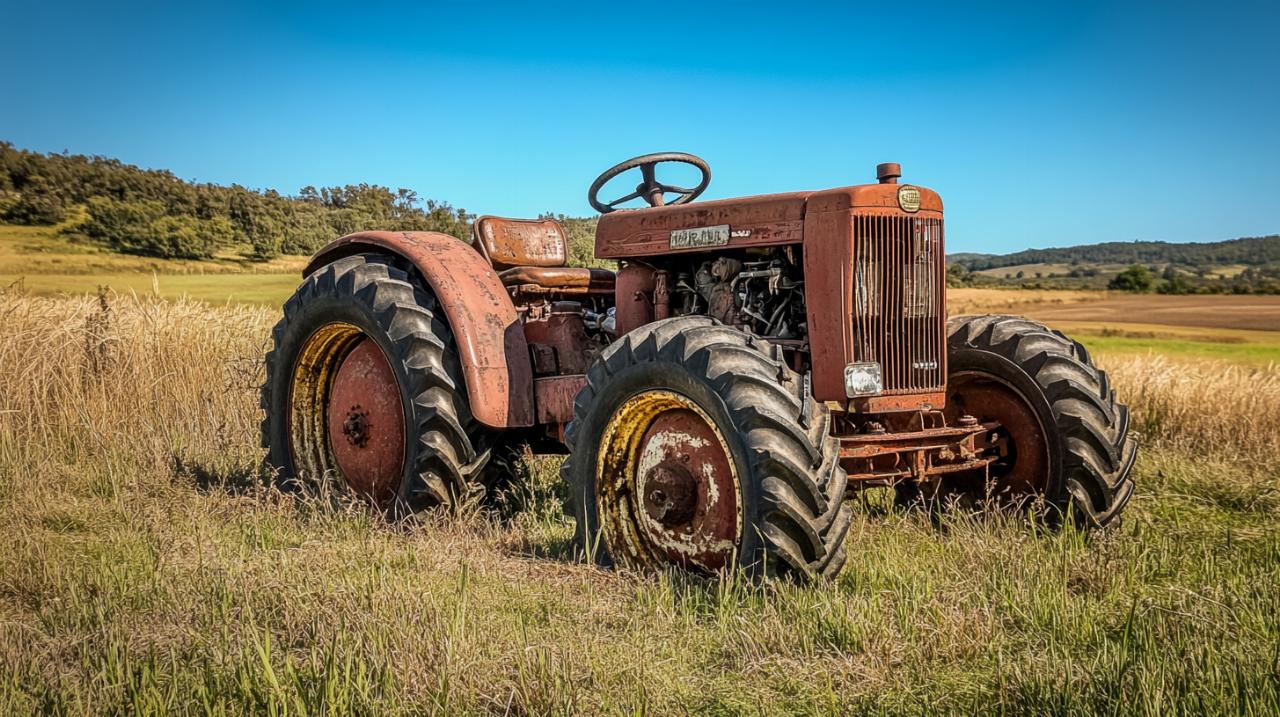
The distinction between vintage and modern tractors introduces another layer of complexity to seasonal valuation. Vintage models, often prized for their simplicity, ease of maintenance, and nostalgic appeal, attract a different audience than contemporary machines equipped with advanced hydraulics and electronics. Collectors and hobbyists who seek vintage equipment are less influenced by the immediate demands of the agricultural calendar and more by personal interest and project availability. For these buyers, auctions and specialist sales during late autumn or winter can be particularly attractive, as these periods align with leisure time and the opportunity to undertake restoration work.
Modern tractors, by contrast, are closely tied to operational requirements and are more sensitive to the seasonal rhythms of agricultural work. A newer model with low hours of use and comprehensive tractor specifications will achieve its highest value when listed in the months leading up to spring or autumn fieldwork. The emphasis on tractor condition assessment, including tractor tyres, hydraulic systems, and electronic controls, becomes paramount during these periods, as buyers scrutinise the readiness of the machine to meet the demands of intensive use. Sellers who invest in tractor preparation, addressing minor issues and compiling detailed service records, position themselves to capitalise on the heightened demand and willingness to pay that characterise these peak seasons.
Strategic pricing considerations across different times of year
Setting an appropriate price for a used tractor requires more than a static assessment of the vehicle's features and condition. It demands an awareness of market dynamics and the ability to adapt pricing strategies to reflect seasonal shifts in buyer behaviour and competitive pressure.
Researching merchant quotes and online marketplace trends seasonally
Effective market research involves regularly monitoring prices across a variety of platforms, including online marketplaces, local dealerships, and specialist websites with resources for selling agricultural machinery. The prices quoted by merchants and the activity levels on digital platforms can vary significantly with the seasons, and sellers who track these fluctuations gain valuable insights into optimal pricing. During spring and autumn, when demand is robust, the competitive landscape intensifies, with multiple listings vying for buyer attention. In such conditions, pricing slightly below market averages can generate rapid interest and facilitate quicker sales, while premium pricing is justified only for equipment in exceptional condition or with desirable attachments.
Conversely, during winter and summer slowdowns, the reduced volume of transactions means that the few listings available can sometimes command attention through scarcity. However, this advantage is offset by lower buyer urgency, making it essential to balance competitive pricing with realistic expectations. Engaging with trust-building practices, such as providing comprehensive tractor photos, transparent descriptions of mechanical condition, and prompt responses to buyer questions, enhances credibility and can differentiate a listing from those of less attentive sellers. Platform review features and social media selling channels further amplify the importance of reputation, as positive feedback and visible engagement can offset seasonal headwinds in buyer activity.
Aligning your tractor's purpose with buyer demand cycles
The intended purpose of a tractor significantly influences its appeal to different buyer segments, and aligning your sales strategy with these purposes can improve outcomes. Tractors marketed primarily for agricultural work benefit from listings timed to coincide with planting and harvesting preparations, as buyers in this category prioritise operational efficiency and immediate availability. Emphasising features such as hours of use, tractor maintenance history, and the compatibility of tractor attachments with specific tasks enhances relevance and supports price negotiation from a position of strength.
For leisure or collection items, the calculus shifts. Buyers motivated by personal enjoyment or restoration projects are less constrained by the agricultural calendar and may respond more favourably to listings that highlight aesthetic appeal, historical significance, or restoration potential. These tractors often see their best results through auctions or specialist platforms where enthusiasts congregate, and timing the sale to align with events or shows can maximise visibility. Understanding the nuances of your tractor's purpose and tailoring your effective listing to the expectations and motivations of the corresponding buyer group is a critical component of strategic pricing and successful selling options.
Finalising the sale involves clear communication regarding the minimum price you will accept, thorough documentation through a bill of sale, and secure payment arrangements. The transfer of ownership documents must be handled with care to protect both parties, and leaving a platform review after the transaction contributes to the broader ecosystem of trust that underpins the second-hand market. By integrating an awareness of seasonal trends with meticulous preparation and informed pricing, sellers can navigate the complexities of the used tractor market and achieve outcomes that reflect the true value of their equipment.