
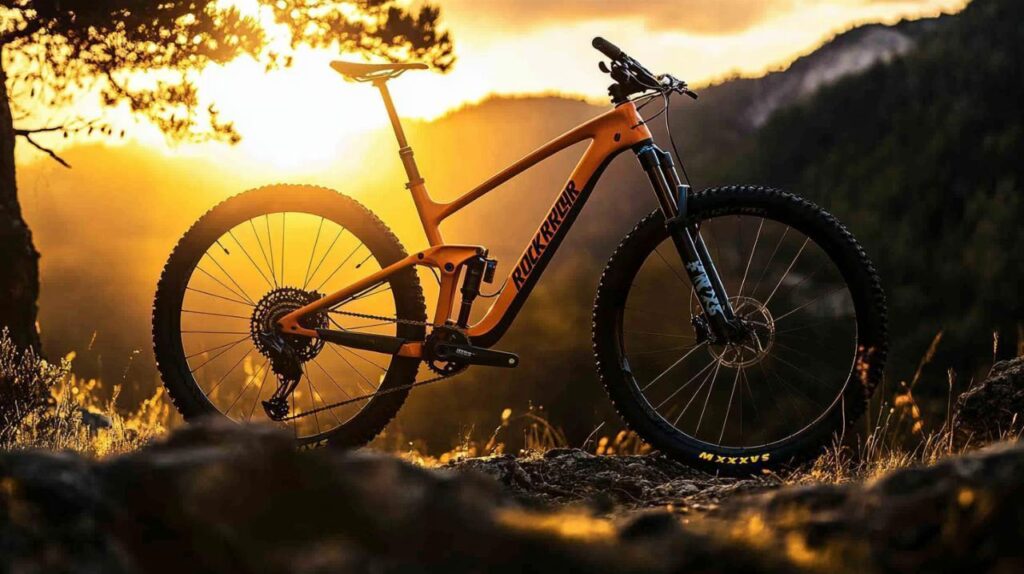
When it comes to choosing a dependable mountain bike for weekend trail adventures, the Rockrider 5.2 has earned a strong reputation among cycling enthusiasts. This model from Decathlon's BTWIN range represents a compelling option for riders seeking a balance between performance and affordability. With its robust construction and thoughtful component selection, the Rockrider 5.2 has proven itself capable of handling diverse terrain whilst remaining accessible to those working within a modest budget. But does it truly outperform competitors like the Boardman MHT 8.6 when the trails get challenging?
Rockrider 5.2 technical specifications and build quality
Frame construction and wheel configuration
The foundation of the Rockrider 5.2 lies in its lightweight aluminium frame, which strikes an admirable balance between durability and manageable weight. Tipping the scales at approximately 13 kilograms, this mountain bike sits comfortably within the range expected for entry to mid-level trail bikes. The aluminium construction ensures that riders can navigate technical sections without feeling burdened by excessive heft, whilst still benefiting from the material's resistance to corrosion and general wear. The frame geometry leans towards a sporty design philosophy, incorporating an aggressive riding posture that positions the cyclist forward for improved power transfer and control during climbs and descents. Whilst this setup appeals to riders seeking dynamic performance, it may not suit everyone's comfort preferences, particularly those accustomed to more relaxed riding positions.
The bicycle features a 70 millimetre adjustable front fork that provides essential suspension travel for absorbing trail imperfections. This level of adjustment allows riders to fine-tune the fork's responsiveness based on terrain conditions and personal preference. The suspension travel sits at an appropriate level for weekend trail riding, offering sufficient cushioning for roots, rocks, and uneven surfaces without venturing into the excessive travel ranges associated with dedicated downhill bikes. The wheel configuration follows standard mountain bike conventions, providing reliable traction and stability across varied surfaces.
Component analysis and performance metrics
The Rockrider 5.2 comes equipped with SRAM X4 shifters paired with both SRAM X5 and X4 derailleurs, creating a drivetrain that delivers consistent gear changes across its range. This combination represents a sensible specification choice for a bicycle positioned around the 17,000 rupee price point, offering reliability without the premium cost associated with top-tier components. The SRAM groupset provides adequate precision for trail riding, allowing riders to maintain optimal cadence whether tackling steep inclines or cruising along flatter sections. Stopping power comes courtesy of Tektro brakes, which offer dependable modulation and sufficient force for controlling speed on descents. Whilst these brakes may not match the outright power of higher-end hydraulic systems, they prove more than adequate for the intended weekend trail riding application.
Real-world testing has demonstrated impressive performance metrics from this machine. Over a sustained 90-minute ride, the bicycle achieved a maximum average speed of 26 kilometres per hour, showcasing its efficiency on mixed terrain. Such figures indicate that the Rockrider 5.2 possesses the capability to maintain respectable pace without requiring exceptional rider fitness. After covering approximately 500 kilometres since purchase, early impressions suggest the components maintain their performance characteristics well, with minimal deterioration in shifting precision or braking effectiveness. The inclusion of practical accessories such as a spare tube and tool kit adds genuine value, equipping new owners with essential items for trailside repairs. However, prospective buyers should note that the package does not include a stand or rear reflector, additions that could require an extra outlay of around 500 rupees for those who consider them necessary.
Real-world performance: trail riding and terrain capabilities
Weekend trail riding experience and handling
The Rockrider 5.2 truly comes into its element when pointed towards natural trails and woodland paths. The combination of its responsive frame geometry and capable suspension setup creates a bicycle that inspires confidence on undulating terrain. Riders report that the bike handles technical sections with composure, maintaining traction through corners whilst remaining stable during descents. The sporty riding position, whilst potentially challenging during extended periods in the saddle, proves advantageous when navigating obstacles or accelerating out of tight turns. The lightweight aluminium construction becomes particularly noticeable during climbs, where the modest 13-kilogram weight allows riders to maintain momentum more easily than would be possible with heavier alternatives.
The adjustable front fork deserves particular mention for its contribution to the overall trail riding experience. By allowing riders to dial in their preferred level of compression damping, the fork accommodates different rider weights and trail conditions. This adaptability means the Rockrider 5.2 can transition from flowing singletrack to more technical rocky sections without feeling out of its depth. The Tektro brakes provide consistent stopping power across varying conditions, though riders transitioning from hydraulic systems may notice the difference in lever feel and ultimate power. Nevertheless, the brakes prove entirely adequate for managing speed on typical weekend trail rides, offering sufficient control for safe descents without inspiring anxiety about inadequate stopping capability.
Cross-country suitability and user feedback
Beyond dedicated trail riding, the Rockrider 5.2 demonstrates versatility that extends into cross-country applications. The efficient drivetrain enables sustained efforts on longer rides, whilst the relatively low weight prevents excessive fatigue during extended climbs. Users who have accumulated significant mileage on their machines report favourable experiences, with one notable update indicating that a Rockrider 5.2 had completed an impressive 10,000 kilometres without encountering significant mechanical issues. Such longevity speaks volumes about the fundamental quality of the frame and the durability of the chosen components. This level of reliability proves particularly important for riders who lack extensive mechanical knowledge or who simply prefer spending time riding rather than maintaining their bicycles.
Consumer feedback consistently highlights the value proposition offered by this model. Riders appreciate the thoughtful specification, which prioritises functional components over flashy but ultimately unnecessary features. The SRAM drivetrain receives particular praise for its consistency, with users noting that gear changes remain crisp even after considerable use. Some riders do mention that the aggressive riding posture requires an adjustment period, particularly for those transitioning from more upright hybrid or comfort bicycles. However, most adapt to the position relatively quickly, discovering that the forward-leaning stance actually enhances their ability to tackle technical terrain. The sporty design aesthetic also garners positive comments, with the bicycle's appearance matching its performance-oriented character.
Value Assessment: Pricing, Warranty and Rockrider 5.2 vs Boardman MHT 8.6
Price point analysis and budget considerations
The Rockrider 5.2 occupies an interesting position within the mountain bike market, originally retailing for approximately 17,000 rupees whilst being suitable for buyers working with budgets extending to around 20,000 rupees. This pricing strategy places the bicycle firmly within reach of enthusiastic beginners and intermediate riders who seek genuine capability without venturing into premium price territory. The value for money proposition becomes evident when examining the specification sheet, which reveals that many high-quality components have been incorporated without inflating the price tag unnecessarily. The inclusion of SRAM drivetrain components and a functional suspension fork at this price point demonstrates Decathlon's approach of prioritising performance over brand prestige.
When comparing the Rockrider 5.2 to alternatives such as the Boardman MHT 8.6, several factors merit consideration. The Boardman typically commands a higher price point, reflecting its positioning within a different segment of the market. Whilst the Boardman may offer certain specification advantages, the question becomes whether those improvements justify the additional expenditure for riders whose primary focus centres on weekend trail riding rather than competitive racing or extremely technical terrain. For many cyclists, the Rockrider 5.2 delivers all the performance they genuinely need, making the extra investment in more expensive alternatives difficult to justify. The bicycle proves particularly appealing to those conducting extensive research before making their purchase, as deeper investigation reveals the genuine quality lurking beneath the accessible price tag.
Lifespan expectations and decathlon guarantee coverage
Longevity represents a crucial consideration for any bicycle purchase, and the Rockrider 5.2 demonstrates impressive durability based on user experiences. The remarkable achievement of one unit completing 10,000 kilometres without significant problems provides strong evidence of the frame's structural integrity and the components' resistance to wear. Such mileage figures far exceed what many weekend riders accumulate over several years of ownership, suggesting that typical users can expect their Rockrider 5.2 to provide reliable service for considerable periods. The aluminium frame's resistance to corrosion ensures that even bicycles stored in less than ideal conditions maintain their structural integrity, avoiding the rust issues that plague steel frames in humid environments.
Decathlon's warranty and guarantee coverage adds another layer of confidence for prospective buyers. The company's reputation for standing behind its products means that genuine manufacturing defects or premature component failures typically receive appropriate attention and resolution. This support network proves particularly valuable for buyers who may lack access to specialist bicycle mechanics or who prefer dealing directly with the retailer rather than navigating complex warranty claims through multiple parties. The widespread availability of Decathlon stores also simplifies the process of obtaining replacement parts or seeking technical advice, creating a more accessible ownership experience compared to some boutique brands with limited retail presence. Ultimately, the combination of proven durability, sensible pricing, and manufacturer support makes the Rockrider 5.2 a compelling choice for weekend trail riders seeking dependable performance without excessive financial commitment.