
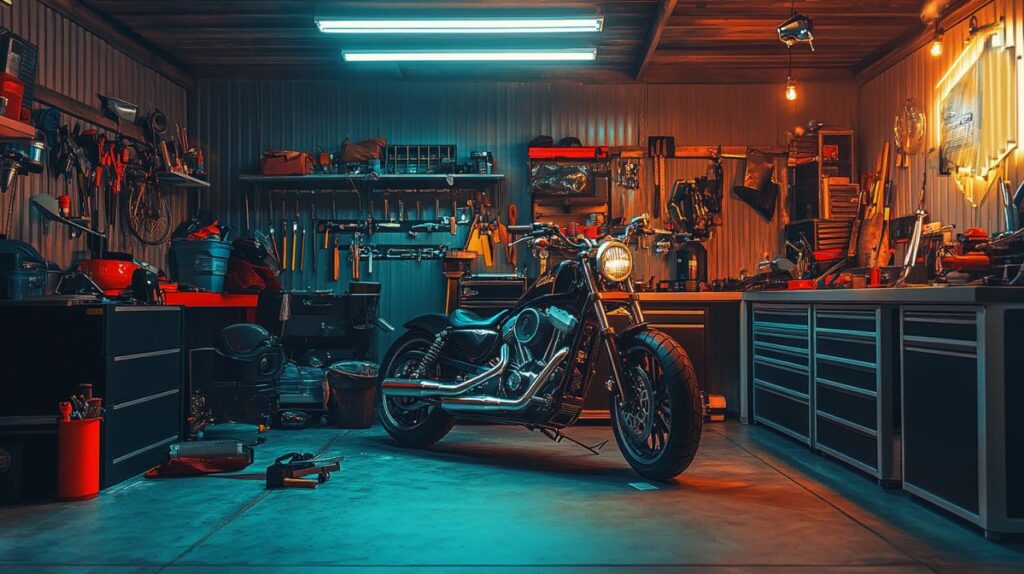
Establishing a motorcycle garage represents a compelling opportunity for entrepreneurs who wish to merge their passion for two-wheeled vehicles with a sustainable business model. Whether you envision a modest workshop serving local enthusiasts or a comprehensive dealership offering sales alongside repair and maintenance services, the journey requires meticulous planning and a strategic approach to financial management. Understanding the market landscape, legal obligations, and operational demands will set the foundation for a thriving enterprise that caters to a diverse clientele ranging from young adults seeking affordable transport to seasoned professionals relying on motorcycles for their daily commute.
Establishing your motorcycle garage business: legal framework and market research
Selecting the Appropriate Legal Status and Registration Requirements
Choosing the correct legal structure is one of the first critical decisions when opening a motorcycle garage. The legal status you select will influence your tax obligations, personal liability, and the administrative complexity of running your business. Sole trader status offers simplicity and direct control, making it an attractive option for small workshops where the owner is the primary technician. However, this structure does not shield personal assets from business liabilities, which can be a significant risk in a sector where mechanical faults or accidents might lead to claims. Alternatively, forming a limited company provides a layer of protection by separating personal and business finances, though it introduces more rigorous reporting requirements and administrative duties. Partnerships can be suitable if you are collaborating with another individual who brings complementary skills, such as technical expertise paired with business acumen. Registering your business with the appropriate authorities, securing necessary licences, and ensuring compliance with local planning permissions are essential steps that must not be overlooked. Insurance is another cornerstone of the legal framework, with policies covering public liability, employer's liability, and professional indemnity being particularly important in a garage setting where customers entrust you with valuable machinery.
Analysing market demand and identifying your target clientele
Understanding the market landscape is fundamental to positioning your motorcycle garage for success. The motorcycle business thrives in regions where climate and lifestyle trends favour two-wheeled transport, and the same principles apply in the United Kingdom, where urban congestion and environmental concerns are driving interest in motorcycles as a practical alternative to cars. Your target clientele will likely include young adults aged between eighteen and thirty who are drawn to motorcycles for their affordability and the sense of freedom they offer. Middle-aged men in the thirty to fifty age bracket often seek premium models and reliable service for their leisure pursuits, while rural residents may rely on motorcycles for everyday transport across distances where public transport is limited. Professionals who need motorcycles for work, such as couriers or delivery riders, represent another vital segment that values quick turnaround times and dependable maintenance. By conducting thorough market research, you can identify gaps in local provision, assess the competitive landscape, and tailor your service offerings to meet the specific needs of these diverse customer groups. This insight will inform decisions about the range of motorcycles you stock, the pricing strategies you adopt, and the additional services you provide, such as customisation or parts supply.
Financial Planning and Budget Allocation for Your Motorcycle Workshop
Creating a Comprehensive Startup Budget and Projected Turnover
Financial planning is the backbone of any successful motorcycle garage venture, and it begins with a realistic assessment of startup costs and ongoing expenses. Total startup costs to open a motorcycle dealership are between £520,600 and £914,000, encompassing everything from facility build-out to initial inventory and licensing. The initial capital requirement is at least £856,000 to £1.2 million before the first sale, ensuring that you have sufficient funds to cover all pre-launch expenditures and sustain operations until revenue begins to flow. Capital expenditures, often referred to as CAPEX, amount to approximately £315,000 for facility build-out and essential equipment, with the largest single expense being the dealership showroom build-out at £150,000, followed by £80,000 for service bay equipment. These investments are critical for creating a professional environment that attracts customers and supports efficient workshop operations. A minimum cash buffer of £188,425 is required to cover three months of operating costs, providing a safety net during the early stages when cash flow can be unpredictable. Projected turnover depends on the scale of your operation, with average revenue estimations ranging from £2,000,000 annually for a small showroom to £6,000,000 for a large establishment. Net income expectations span from £300,000 for smaller ventures to £800,000 for larger operations, with a payback period of approximately twenty-four months across all formats. These figures underscore the importance of detailed financial modelling and the need to balance ambition with prudent budgeting.

Securing Funding and Managing Cash Flow for Your New Venture
Securing adequate funding is often the most challenging aspect of launching a motorcycle garage, particularly given the substantial capital required. Traditional bank loans remain a common source of finance, though lenders will scrutinise your business plan, credit history, and the viability of your projected cash flow before approving any facility. Alternative options include seeking investment from private individuals, approaching venture capital firms, or exploring government-backed schemes designed to support small businesses in the automotive sector. Some entrepreneurs choose to franchise with established brands such as Sharmax Motors, which offers support and training in exchange for an investment of £400,000 to £1,500,000. Franchising provides an easier entry with established brand benefits but involves higher initial costs compared to independent starts, and you must weigh these trade-offs carefully. Managing cash flow is equally critical once operations commence, as monthly fixed costs are £22,600, which includes a £15,000 lease and £1,800 insurance, alongside other recurring expenses such as utilities at around £2,000 and employee salaries totalling £12,000. Rent typically amounts to approximately £7,000 per month, while insurance can range from £1,000 to £1,500 depending on the scope of coverage. To achieve break-even, the dealership is projected to reach profitability in Month 1, based on selling 150 new motorcycles and 200 used motorcycles, with an average order value of £18,000 for new motorcycles and £10,000 for used motorcycles. First-year EBITDA is expected to be £325 million, a figure that reflects robust sales performance and efficient cost management. Regular monitoring of cash flow, timely invoicing, and maintaining strong relationships with suppliers and lenders will help ensure that your venture remains financially stable as it grows.
Technical Management and Operational Excellence in Your Motorcycle Garage
Essential qualifications, diplomas, and entrepreneur competencies required
Technical competence and formal qualifications are indispensable for anyone aspiring to run a successful motorcycle garage. At a minimum, you or your lead technician should hold a recognised diploma in motorcycle mechanics or a related field, ensuring a solid foundation in diagnosing and repairing a wide range of mechanical issues. Advanced qualifications, such as certifications from industry bodies or manufacturer-specific training programmes, can enhance your credibility and enable you to service premium models that demand specialist knowledge. Entrepreneur competencies extend beyond technical skills, encompassing business management, customer service, and strategic planning. Entrepreneurs need to separate their passion for motorcycles from the business aspects, recognising that profitability depends on sound financial decisions, effective marketing, and the ability to adapt to changing market conditions. Leadership skills are also vital, as you will need to recruit, train, and motivate a team of technicians and support staff who share your commitment to quality and customer satisfaction. Continuous professional development should be embedded in your operational culture, with regular training sessions ensuring that your team stays abreast of technological advances and evolving industry standards. This commitment to excellence will not only improve service quality but also foster a reputation that attracts loyal customers and differentiates your garage from competitors.
Setting up workshop infrastructure and implementing maintenance service standards
The physical infrastructure of your motorcycle garage plays a pivotal role in operational efficiency and customer perception. A typical motorcycle showroom should be at least 100 square metres, with larger urban locations needing up to 200 square metres to accommodate a diverse inventory and provide a comfortable browsing experience. The investment breakdown varies significantly depending on scale, with a small showroom requiring around £400,000, a standard facility costing approximately £700,000, and a large operation demanding up to £1,500,000. These figures cover not only the showroom build-out but also the service bays, parts storage, and administrative areas that support day-to-day activities. Seven critical startup costs include facility build-out, initial inventory, lease deposits, pre-opening payroll, licensing, dealership management system setup, and insurance, each contributing to the overall readiness of your garage. Service bay equipment, costing around £80,000, must be chosen carefully to ensure that your workshop can handle routine maintenance, complex repairs, and diagnostic tasks with equal proficiency. Implementing maintenance service standards is essential for building trust and ensuring consistent quality, whether you are servicing lower-priced models valued between £1,000 and £3,000 or premium models priced over £10,000. Standardised procedures, documented checklists, and rigorous quality control measures will help minimise errors and enhance customer satisfaction. Projected sales from various motorcycle categories could total about £2,000,000 annually, demonstrating the revenue potential of a well-managed operation that balances sales with a robust maintenance offering. By investing in the right infrastructure and adhering to high service standards, you position your motorcycle garage as a trusted partner for riders across all demographics, from young adults seeking affordable transport to professionals who depend on their motorcycles for work.