
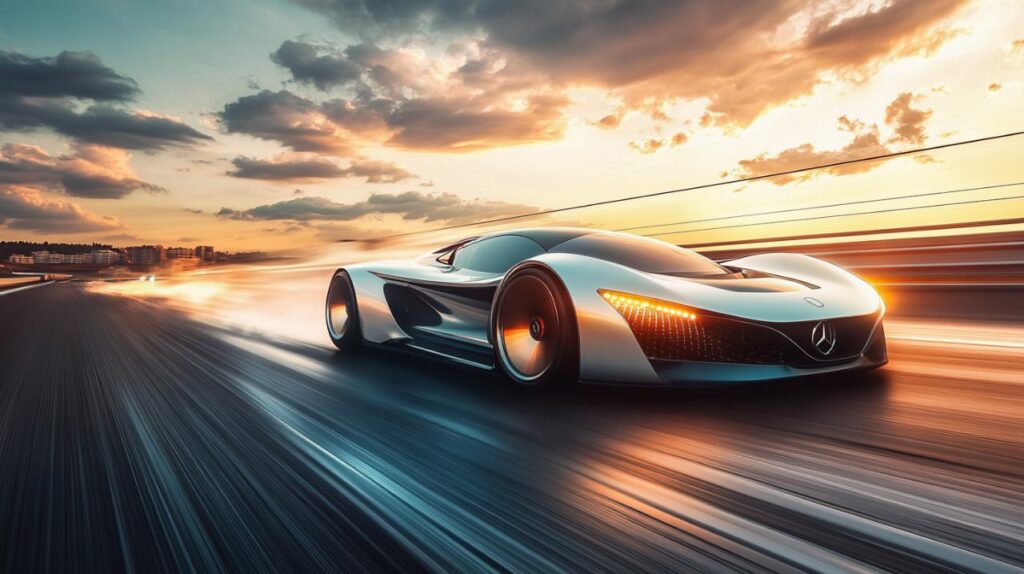
The pursuit of velocity has long captivated automotive enthusiasts and manufacturers alike, driving innovation to unprecedented heights. Today's hypercars represent the pinnacle of engineering excellence, combining breathtaking speed with luxurious appointments and cutting-edge technology. These extraordinary machines push the boundaries of what is possible on four wheels, delivering performance that was once confined to the realm of science fiction. From European powerhouses to American mavericks and pioneering electric visionaries, the competition for supremacy in the world of extreme performance has never been more intense.
Unrivalled velocity: the bugatti chiron's reign in hypercar excellence
The Bugatti Chiron Super Sport has established itself as a titan among speed machines, achieving a remarkable milestone that few vehicles can claim. In a demonstration of engineering prowess, this French masterpiece recorded an astounding velocity of 304.7 miles per hour, cementing its position in automotive history. This achievement represents more than merely impressive numbers; it embodies decades of refinement and an unwavering commitment to excellence. The Chiron's legacy builds upon the foundations established by its predecessor, the Veyron, which itself revolutionised perceptions of what production vehicles could accomplish. The journey towards such velocity demands not only raw power but also aerodynamic sophistication and structural integrity capable of withstanding tremendous forces.
Engineering brilliance behind the chiron's phenomenal power output
At the heart of the Bugatti Chiron Super Sport lies an extraordinary 8.0-litre quad-turbocharged W16 engine, a configuration that remains unique in the automotive landscape. This mechanical marvel generates power figures that challenge comprehension, delivering the thrust necessary to propel the vehicle through the atmosphere at speeds exceeding 300 miles per hour. The quad-turbocharger arrangement ensures that power delivery remains progressive and manageable, despite the colossal forces at play. Every component within this powerplant has been meticulously engineered to withstand the extreme temperatures and pressures encountered during high-velocity operation. The cooling systems, lubrication pathways, and structural elements all work in concert to maintain reliability even under the most demanding conditions. This level of integration exemplifies the dedication required to create a vehicle capable of sustained performance at the absolute limits of possibility.
Investment Value and Pricing Structure of Bugatti's Masterpiece
Acquiring a Bugatti Chiron Super Sport represents a significant financial commitment, with valuations reaching several million euros depending upon specification and market conditions. The exclusivity inherent in such a purchase extends beyond mere transportation; owners become custodians of automotive art and members of an exceptionally select group. Limited production numbers ensure that each vehicle retains its rarity and desirability, factors that contribute to strong residual values in the collector market. The investment consideration encompasses not only the initial purchase price but also the ongoing maintenance and care required to preserve such a sophisticated machine. Specialist technicians, bespoke components, and comprehensive insurance coverage all form part of the ownership experience. For those who value ultimate performance and uncompromising luxury, the Chiron Super Sport offers an proposition that few alternatives can match, blending heritage with contemporary capability in a manner that continues to define the hypercar segment.
Electric revolution: rimac nevera's lightning-fast performance credentials
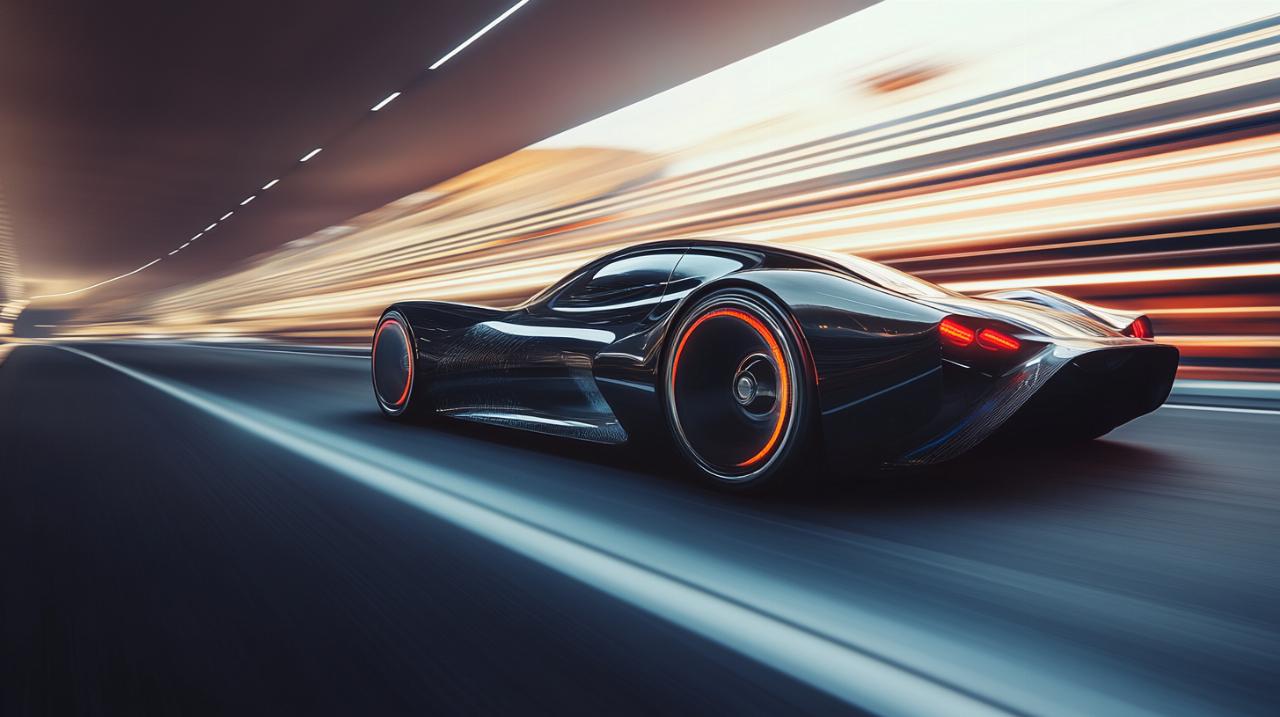
The emergence of electric propulsion technology has transformed the performance landscape, and the Rimac Nevera stands as perhaps the most compelling demonstration of this revolution. This Croatian creation has redefined expectations for acceleration, achieving a sprint from standstill to sixty miles per hour in merely 1.74 seconds, a figure that challenges the very laws of physics as applied to road-going vehicles. Such performance surpasses that of many dedicated racing machines and demonstrates the inherent advantages of electric powertrains when harnessed with engineering excellence. The instantaneous torque delivery characteristic of electric motors eliminates the lag traditionally associated with internal combustion engines, providing thrust that presses occupants into their seats with relentless intensity. Beyond mere acceleration, the Nevera also boasts a top velocity of 258 miles per hour, proving that electric vehicles need not compromise ultimate speed in pursuit of rapid acceleration.
Zero to Sixty Acceleration Records and Battery-Powered Innovation
The technology underpinning the Rimac Nevera's extraordinary performance relies upon advanced battery systems and motor configurations that represent years of dedicated development. Multiple electric motors provide all-wheel drive capability whilst simultaneously enabling torque vectoring, a system that actively distributes power to individual wheels for optimal traction and handling characteristics. The battery pack itself represents a marvel of energy density and thermal management, capable of delivering sustained high output without degradation or overheating. Charging infrastructure has evolved to support such high-performance applications, with rapid charging systems allowing meaningful range recovery in relatively short periods. This addresses one of the historical limitations associated with electric vehicles, making the Nevera not merely a technical demonstration but a genuinely usable performance machine. The integration of regenerative braking systems further enhances efficiency, recapturing energy during deceleration that would otherwise be lost as heat through traditional friction brakes.
Luxury Appointments and Technological Advancement in Electric Motoring
Beyond its staggering performance credentials, the Rimac Nevera offers interior appointments and technological features befitting its position in the luxury hypercar segment. Advanced connectivity systems, driver assistance features, and customisable interfaces provide an experience that extends beyond the visceral thrill of acceleration. The cabin environment combines sustainable materials with traditional craftsmanship, creating a space that feels both contemporary and luxurious. Climate control systems maintain comfort regardless of external conditions, whilst advanced sound insulation ensures that occupants can converse normally even at significant velocities. The absence of traditional engine noise allows designers to focus on eliminating wind and road noise, creating a refined environment that contrasts dramatically with the explosive performance available at the touch of the accelerator. Pricing for the Nevera reflects its exclusive status and technological sophistication, positioning it alongside traditional hypercar offerings whilst offering a glimpse into the future direction of performance motoring.
American muscle redefined: hennessey venom's extraordinary specifications
From the heartland of Texas emerges a challenger that embodies the American approach to extreme performance: raw power delivered with uncompromising directness. The Hennessey Venom F5 represents the vision of tuner-turned-manufacturer John Hennessey, whose decades of experience extracting maximum performance from production vehicles culminated in this purpose-built speed machine. With claimed capabilities exceeding 300 miles per hour and a power output approaching 2,000 horsepower, the Venom F5 takes a distinctly different approach to achieving velocity compared to its European counterparts. The philosophy centres on maximising power-to-weight ratio through extensive use of carbon fibre construction and minimising unnecessary complexity in pursuit of pure performance.
Horsepower Figures and Top Speed Achievements from Texas Engineering
The powerplant propelling the Hennessey Venom F5 consists of a bespoke 6.6-litre twin-turbocharged V8 engine producing an astounding 1,817 horsepower, a figure that places it among the most powerful production vehicles ever created. This represents a power density that requires exceptional engineering to manage reliably, with every aspect of the drivetrain designed to handle forces that would overwhelm conventional components. The twin-turbocharger configuration provides boost pressure that transforms fuel and air into explosive thrust, propelling the lightweight chassis forward with ferocious intensity. Theoretical calculations suggest a top speed capability of 311 miles per hour, though achieving such velocity requires not merely power but also aerodynamic efficiency and stability at speeds where atmospheric forces become overwhelming. The pursuit of such performance demands testing facilities capable of safely accommodating vehicles at these extreme velocities, a challenge that has limited verification of many theoretical top speed claims across the hypercar segment.
Comparative rankings and exclusivity among elite performance vehicles
When positioned within the broader context of extreme performance vehicles, the Hennessey Venom F5 occupies a distinctive niche. Its American heritage and independent manufacturer status differentiate it from established European marques with centuries of automotive tradition. Production numbers remain deliberately limited, ensuring exclusivity whilst allowing the small-scale manufacturer to maintain quality control and provide personalised customer service. This approach mirrors strategies employed by other boutique hypercar producers such as Koenigsegg and Pagani, who similarly prioritise craftsmanship and individual attention over volume production. The competitive landscape includes vehicles such as the Koenigsegg Jesko Absolut, which claims a theoretical top speed of 330 miles per hour, and the SSC Tuatara with its 295 miles per hour capability. These claims, whilst impressive, often remain unverified under standardised conditions, making direct comparisons challenging. What remains undeniable, however, is that this rarified segment of the automotive market continues to push boundaries, delivering machines that challenge our understanding of what remains possible within the constraints of road-legal production vehicles. For those fortunate enough to experience such creations, the sensation transcends mere transportation, offering instead a visceral connection to the absolute cutting edge of automotive capability.