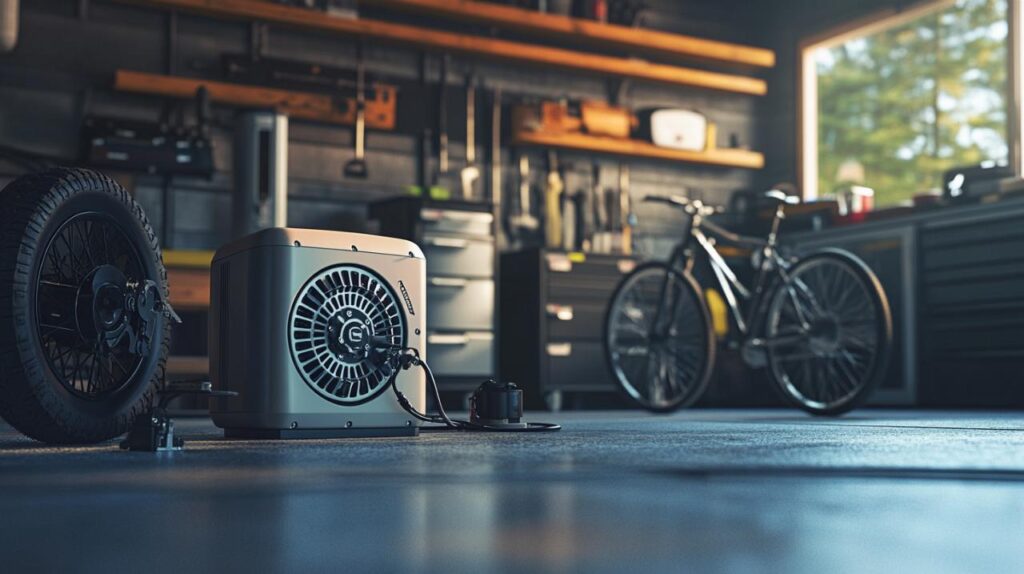
Maintaining the correct tyre pressure is one of the most fundamental aspects of vehicle upkeep, yet it remains surprisingly overlooked by many motorists and riders alike. Whether you are behind the wheel of a family saloon, astride a powerful motorbike, or pedalling through the countryside on your bicycle, ensuring your tyres are inflated to the manufacturer's recommended specifications is crucial for safety, performance, and economy. The advent of portable and digital tyre inflators has made it easier than ever to monitor and adjust pressure at home or on the move, eliminating the need for frequent trips to the petrol station or garage. Choosing the right compressor for your specific needs, however, requires an understanding of the different technologies, features, and capabilities available on the market today.
Understanding tyre pressure requirements across different vehicles
Every vehicle, from the smallest bicycle to the heaviest four-wheel-drive, has its own unique tyre pressure specifications, measured in either PSI or bar. For cars, the recommended pressure is typically found on a placard located on the driver's side door frame or within the owner's manual. Saloons and compact cars often require pressures ranging from twenty-eight to thirty-six PSI, whilst larger vehicles such as SUVs and vans may demand slightly higher readings. Motorbikes, on the other hand, tend to operate within a similar range but can vary significantly depending on the model and whether the bike is designed for touring, sport, or off-road use. Bicycles present their own set of requirements, with road bikes often needing pressures exceeding eighty PSI, whilst mountain bikes operate comfortably at lower levels to provide better traction and shock absorption on uneven terrain.
PSI Specifications for Cars, Motorbikes, and Bicycles
The precision of tyre pressure cannot be overstated when it comes to ensuring that each type of vehicle performs as intended. For cars, a typical family hatchback might specify thirty-two PSI for the front tyres and thirty for the rear, although these figures can shift when the vehicle is heavily loaded or embarking on a long motorway journey. Sports cars, such as the MG TF, may require a higher thirty-six PSI to maintain optimal grip and handling at speed. Motorcycles follow a similar logic, with manufacturers setting precise pressures to balance stability, cornering ability, and ride comfort. A touring bike might be set to thirty-six PSI in the front and forty-two PSI at the rear, whereas a sportier model could demand slightly different figures to maximise contact with the road surface. Bicycles are even more varied, with road racing tyres inflated to well over one hundred PSI to minimise rolling resistance, whilst commuter and leisure bikes might sit comfortably between fifty and seventy PSI. Understanding these specifications is the first step towards selecting a compressor that can accurately and efficiently meet the demands of each vehicle type.
Why Accurate Pressure Monitoring Matters for Safety and Performance
Driving or riding on tyres that are either under-inflated or over-inflated can have serious consequences that extend beyond mere inconvenience. Under-inflated tyres increase the contact area with the road, leading to higher rolling resistance, which in turn reduces fuel efficiency and accelerates tyre wear. This condition also affects the vehicle's handling, making steering feel sluggish and unresponsive, whilst extending braking distances and raising the risk of a blowout, particularly at motorway speeds. Over-inflation, conversely, reduces the tyre's footprint, diminishing grip and causing uneven wear concentrated in the centre of the tread. This not only shortens the lifespan of the tyre but also compromises safety, especially in wet or slippery conditions. For motorcycles, incorrect pressure can dramatically alter the bike's behaviour in corners, potentially leading to loss of control. Cyclists, too, will notice a marked difference in ride quality and speed when pressure is not optimised. Regular monitoring using a reliable inflator with an accurate digital gauge ensures that these risks are minimised, whilst also contributing to better fuel economy, improved tyre longevity, and enhanced overall safety. The ability to check and adjust pressure at home or before setting off on a journey offers peace of mind and removes the guesswork from this critical maintenance task.
Types of Tyre Compressors: Finding the Right Fit for Your Needs
The market for tyre inflators has expanded considerably in recent years, with a wide array of designs and power sources now available to suit every preference and budget. Broadly speaking, these devices fall into two main categories: portable cordless units powered by rechargeable batteries, and mains or twelve-volt DC models designed for use at home or in the vehicle. Each type has its own set of advantages and limitations, and the choice between them depends largely on how and where you intend to use the compressor. Portable models offer unparalleled convenience, allowing you to top up tyres anywhere without needing access to a power socket or the car's cigarette lighter. Mains-powered and twelve-volt compressors, on the other hand, tend to deliver faster inflation times and can handle more demanding tasks, making them ideal for workshop use or for drivers who prefer to keep their equipment permanently in the boot.
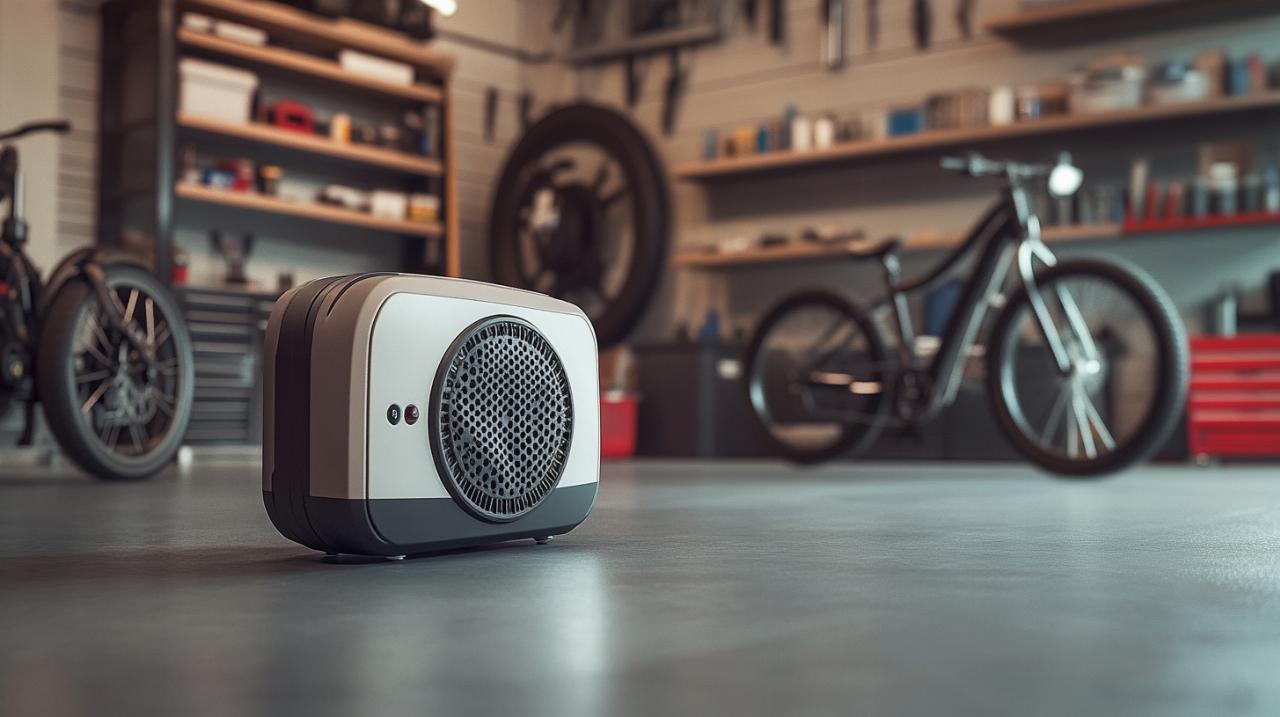
Portable 12v compressors versus mains-powered workshop models
Cordless tyre inflators have become increasingly popular due to their lightweight design and ease of use. Models such as the Ring RTC4000 and the Noco Air AL5 weigh less than a kilogramme and can be charged via USB-C or twelve-volt DC leads, making them exceptionally versatile. The Ring RTC4000, for instance, features an extra-long hose measuring six hundred millimetres, which allows for easy access to all four tyres on a car without needing to reposition the unit. It inflated three tyres on a single charge and achieved perfect pressure accuracy, reading exactly two-point-two bar when tested against a calibrated gauge. The Noco Air AL5, with its robust build quality and power bank function, also inflated three tyres per charge and completed the task in just over four minutes per tyre, though it registered a slight deviation, reading two-point-zero-eight bar when set to two-point-two. For those seeking the ultimate in convenience, the Worx WX092.9 cordless inflator has been praised for its rapid inflation and sturdy construction, tipping the scales at nine hundred and fifty grammes without the battery and retailing for under sixty pounds. Ryobi's R18MI-0 ONE+ model offers similar performance, with a weight of one-point-nine kilogrammes and a stable design, though it can be slightly fiddly to set up initially. On the other end of the spectrum, twelve-volt compressors that plug directly into the car's power socket, such as the AA 12V Compact Tyre Compressor, are incredibly simple to use and weigh as little as two hundred and ninety-nine grammes, making them a budget-friendly option for emergency use. Mains-powered workshop models, whilst less portable, provide greater power and faster inflation times, making them ideal for those who regularly service multiple vehicles or require a compressor for other pneumatic tasks beyond tyre inflation.
Digital gauges and automatic shut-off features explained
One of the most significant advancements in tyre inflator technology has been the integration of digital gauges and automatic shut-off functions, which together transform what was once a manual and somewhat imprecise task into a highly accurate and user-friendly experience. Digital displays allow users to see the current pressure in real time, with readings typically available in both PSI and bar, ensuring compatibility with the specifications of any vehicle. The automatic shut-off feature is particularly valuable, as it enables the user to set the desired pressure and then walk away, confident that the compressor will stop inflating once the target is reached. This not only prevents over-inflation but also saves time and effort, especially when dealing with multiple tyres. During testing, the Ring RTC4000 demonstrated flawless pressure accuracy, with the displayed reading matching the actual measurement precisely. The Ferrex twelve-volt air compressor, whilst requiring the trigger to be held down during operation, also delivered commendable accuracy, reading two-point-one-seven bar against a target of two-point-two. Some inflators, such as the Carsun rechargeable cordless model, offer additional features like USB-A power outlets and integrated torches, making them versatile tools for roadside emergencies. The AstroAI cordless inflator, capable of reaching one hundred and sixty PSI in twenty minutes, provides dual power options, allowing it to be charged via battery or connected directly to the car socket, offering flexibility for different scenarios. However, not all inflators are created equal, and some models tested showed pressure inaccuracies of up to five PSI, with one unit deemed a 'Don't Buy' due to deviations as high as fifteen PSI. The ability to rely on a consistently accurate gauge is therefore paramount, particularly for those who take vehicle safety seriously and wish to avoid the potential pitfalls of incorrect tyre pressure.
Top Compressor Recommendations and Where to Find Value
With such a diverse range of tyre inflators on the market, identifying the best models for each vehicle type and use case requires careful consideration of performance, portability, build quality, and value for money. Recent testing has highlighted several standout performers that cater to different needs and budgets, from compact cordless units ideal for occasional use to heavy-duty compressors designed for frequent and demanding tasks. Understanding the strengths and limitations of each model can help you make an informed decision and ensure that your investment delivers reliable service for years to come.
Best Models for Each Vehicle Type: Performance and Portability Compared
For car owners seeking an all-round performer, the Ring RTC4000 has earned top marks with a five-out-of-five rating, thanks to its combination of accuracy, battery life, and build quality. Weighing just seven hundred and fifty-eight grammes and featuring an extra-long hose, it inflated three tyres on a full charge and completed each inflation in under five minutes, all whilst maintaining perfect pressure accuracy. The Noco Air AL5, also rated five out of five, offers excellent build quality and a power bank function, making it a versatile companion for both tyre inflation and charging electronic devices on the go. It inflated three tyres per charge and did so in just over four minutes per tyre, though its pressure reading was marginally lower than the set target. For those on a tighter budget, the Carsun rechargeable cordless inflator offers the best value, weighing a mere four hundred and eighty-four grammes and featuring a USB-A outlet and integrated torch. Whilst it managed only two tyres per charge and took just under five and a half minutes per inflation, its affordability and compact design make it an attractive option for infrequent use. Motorcycle enthusiasts will appreciate the versatility of the Milwaukee cordless tyre inflator, which, despite its higher price point of one hundred and five pounds, delivers robust performance and a maximum pressure of one hundred and twenty PSI, suitable for both bikes and cars. The Ryobi eighteen-volt ONE+ model, weighing six hundred grammes and capable of reaching one hundred and fifty PSI, is another strong contender, though users should be aware that the pressure gauge may not always be the most precise. For heavy-duty applications, the Ring RAC900 stands out with its metal body and direct battery connection, weighing three-point-seven kilogrammes and retailing for just over one hundred pounds. Cyclists, meanwhile, may find that a high-PSI cordless model like the AstroAI, capable of reaching one hundred and sixty PSI, provides the flexibility needed to service both their bicycles and their car with a single device.
Sourcing quality compressors: amazon deals and trusted retailers
When it comes to purchasing a tyre inflator, the choice of retailer can be just as important as the choice of product. Online platforms such as Amazon have become a go-to destination for many consumers, offering competitive prices, customer reviews, and the convenience of home delivery. The Worx WX092.9, for example, is available on Amazon for fifty-nine pounds and thirty-five pence, representing excellent value for a cordless unit with rapid inflation and robust construction. Similarly, the Ryobi R18MI-0 can be found for eighty-four pounds and ninety-nine pence, whilst the AstroAI cordless inflator retails for fifty-three pounds and ninety-five pence, making it one of the more affordable options for those seeking dual power functionality. Budget-conscious buyers will appreciate the AA 12V Compact Tyre Compressor, priced at just thirteen pounds and ninety pence, which, despite its simplicity, offers reliable performance for emergency use. The Carsun model, widely regarded as the best compact option, is available for twenty-three pounds and ninety-five pence, providing a balance of affordability and functionality. For those seeking a heavy-duty solution, the Ring RAC900 can be purchased for one hundred and one pounds and ninety-nine pence, whilst the Ring Automotive RAC830, designed for caravans and camping, is priced at eighty-five pounds and ninety-nine pence. Motorcycle-specific retailers and specialist websites such as MCN also offer a curated selection of inflators, with products like the Ring Automotive RTC4000 digital tyre inflator listed at fifty-five pounds and ninety-eight pence, and the Milwaukee cordless tyre inflator available for one hundred and five pounds. It is worth noting that many retailers offer affiliate links, which may generate a commission for the website whilst still providing the customer with competitive pricing. Reading customer reviews and checking for updated testing results, such as those published in late twenty-twenty-five and early twenty-twenty-six, can further guide your decision and ensure that you select a model with a proven track record of performance and reliability. Whether you prioritise portability, battery life, inflation speed, or build quality, the current market offers a wealth of options to suit every need and budget, making it easier than ever to maintain optimal tyre pressure and enjoy safer, more efficient journeys.