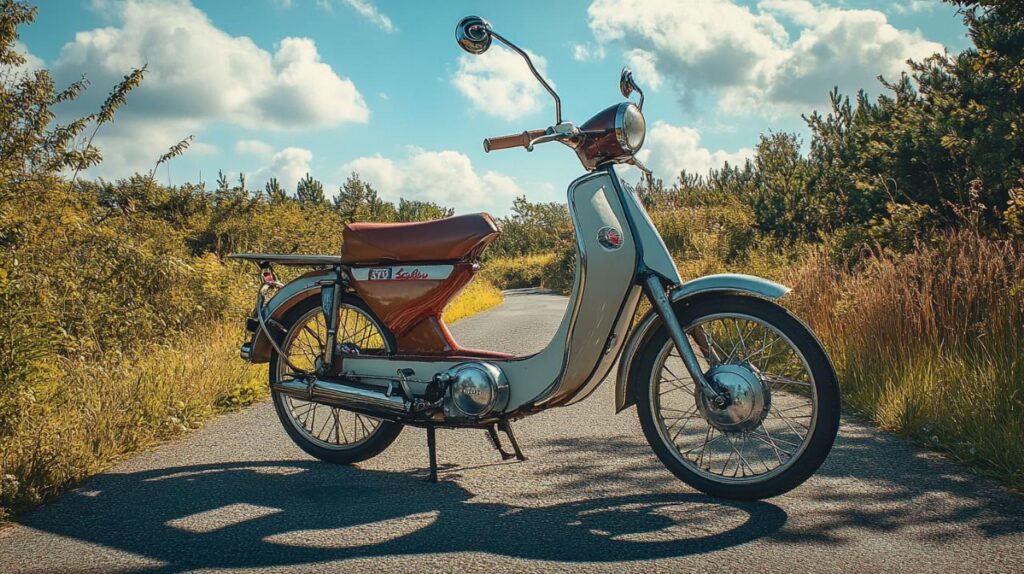
The Solex stands as one of the most charming and enduring examples of French ingenuity on two wheels, a vehicle that has captured hearts and imaginations for decades. With over eight million units sold worldwide since its inception, this motorised bicycle has transcended its utilitarian origins to become a beloved cultural icon and a sought-after collector's piece. From post-war streets to contemporary enthusiast gatherings, the Solex continues to inspire admiration, bridging generations with its distinctive blend of simplicity, affordability, and unmistakable character.
Heritage and Evolution of the Solex: A French Icon on Two Wheels
Origins and Early Development of the Vélosolex
The story of the Solex began in 1946, when Maurice Goudard and Marcel Mennesson introduced their revolutionary concept to a world emerging from the devastation of the Second World War. The timing could not have been more perfect. In an era marked by scarcity and reconstruction, the French brand offered a solution that was both practical and accessible. The Vélosolex quickly gained traction among those seeking affordable personal mobility, providing a sense of freedom and adventure that resonated deeply with a population eager to move forward. Its appeal was particularly strong among students throughout the 1960s and 1970s, who embraced the machine as a symbol of independence and youthful spirit. The Solex was not merely a means of transport but a statement of a lifestyle that valued simplicity and spontaneity.
By the time the brand reached its zenith, the Vélosolex had become a cultural phenomenon. In the 1960s, its status was elevated further when it was popularised by prominent figures such as Brigitte Bardot, cementing its place in the collective imagination as more than just a vehicle. The self-driving bicycle, as it was often called, embodied a uniquely French approach to engineering and design, one that prioritised elegance and efficiency over unnecessary complexity. Over the decades, the Solex evolved to meet changing tastes and technological advancements, yet it never lost sight of the principles that made it a success. The production of specialised variants, such as the VéloSolex Hispano-Suiza, which saw approximately 14,750 units built, demonstrated the brand's willingness to innovate while maintaining its core identity.
Technical Innovations and Design Philosophy Through the Decades
Central to the Solex's enduring appeal is its distinctive engineering approach. The machine featured a two-stroke engine mounted directly above the front wheel, a design choice that allowed the motor to drive the tyre with remarkable directness. This configuration not only simplified the mechanical layout but also contributed to the vehicle's characteristic handling and ease of maintenance. The philosophy behind the Solex was clear: deliver a reliable, uncomplicated machine that could be operated and serviced by virtually anyone. This ethos resonated strongly in the post-war period, when resources were limited and practicality was paramount. The Solex was designed to be a democratic vehicle, accessible to people from all walks of life.
As the decades passed, the Solex brand demonstrated a commitment to evolution without abandoning its heritage. In 2005, a significant milestone was reached when Solex partnered with the renowned design house Pininfarina to launch the E-Solex, an electric model that brought the brand into the modern era. This collaboration underscored the company's recognition of changing environmental priorities and the growing demand for sustainable transport solutions. The introduction of the E-Solex was a bold statement that the brand could honour its past while embracing the future. By 2023, the Solex catalogue had expanded to include three distinct ranges: Timeless, Vélosolex, and Child, each catering to different audiences and needs. This diversification reflects a strategic shift towards a high-end positioning, ensuring that the brand remains relevant in a competitive marketplace whilst retaining its unique identity.
Understanding the Solex: Technical Specifications and Riding Experience
The distinctive engine-on-wheel system and mechanical features
The hallmark of the Solex design is undoubtedly its engine-on-wheel system, a feature that sets it apart from conventional mopeds and motorcycles. The two-stroke motor, perched atop the front wheel, engages directly with the tyre, creating a mechanical simplicity that is both elegant and effective. This arrangement eliminates the need for complex transmission systems, making the Solex remarkably straightforward to operate and maintain. The engine's placement also contributes to the vehicle's distinctive aesthetic, giving it an unmistakable silhouette that is instantly recognisable to enthusiasts and casual observers alike. The mechanical layout was a masterstroke of functional design, ensuring that even those with limited technical knowledge could keep their Solex running smoothly.
Fuel for the Solex was another area where ingenuity came to the fore. BP developed a special fuel known as Solexine, formulated specifically to optimise the performance of the two-stroke engine. This bespoke fuel underscored the collaborative spirit of the era, when manufacturers and fuel companies worked together to create tailored solutions for emerging technologies. The use of Solexine ensured that the Solex ran cleanly and efficiently, maximising both performance and longevity. For riders, the experience of operating a Solex was one of gentle engagement with the machine. The low power output and modest top speed encouraged a relaxed style of travel, perfectly suited to leisurely journeys through town and countryside. The Solex was never about speed or aggression; it was about enjoying the journey and savouring the simple pleasure of being on the move.
Practical ownership: performance, fuel economy, and daily use
Owning a Solex, particularly in its heyday, was an exercise in practical economy. The machine's modest fuel consumption made it an ideal choice for those on tight budgets, whether students scraping together funds for textbooks or workers seeking an affordable commute. The Solex delivered remarkable fuel economy, allowing riders to cover considerable distances on a minimal outlay. This efficiency was a direct result of the lightweight construction and the inherent simplicity of the two-stroke engine. Maintenance was similarly straightforward, with many owners performing routine servicing themselves, aided by the Solex's accessible design and the availability of spare parts. The machine's reliability became legendary, with many examples continuing to run smoothly for decades with only basic care.
Daily use of a Solex was characterised by a sense of intimacy with the machine that is rarely experienced with modern vehicles. The direct connection between the engine and the front wheel meant that riders could feel every nuance of the motor's operation, from the gentle vibration at idle to the smooth engagement as power was applied. The riding position was upright and comfortable, promoting a relaxed posture that made longer journeys surprisingly pleasant. The Solex was not designed for high-speed travel or aggressive cornering; instead, it excelled in the gentle art of pottering. It was a vehicle that encouraged exploration, inviting riders to take the scenic route and discover hidden corners of their local area. This ethos of unhurried travel remains one of the Solex's most enduring charms, a quality that continues to attract enthusiasts today.
The modern solex collecting scene: restoration, value, and enthusiast community
Sourcing, restoring, and maintaining vintage solex models
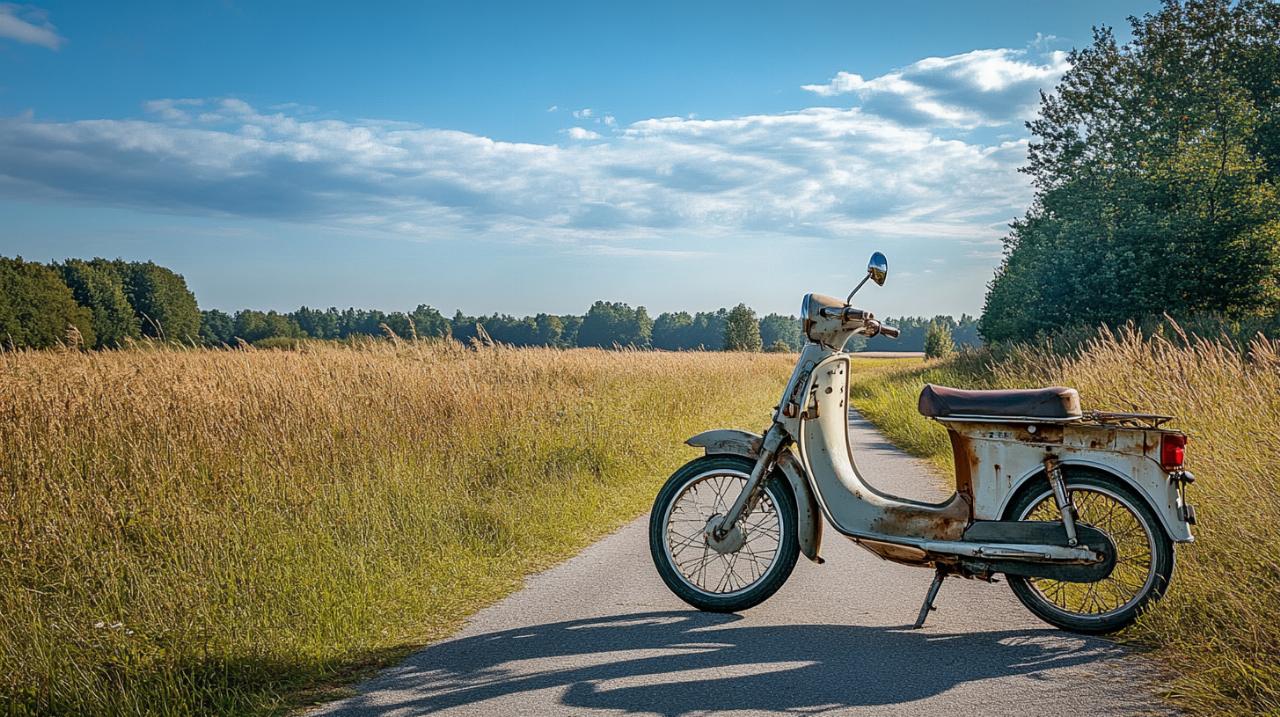
Original Solex bikes have become highly prized collector's items, sought after by enthusiasts who appreciate their historical significance and unique character. Sourcing a vintage Solex requires patience and a keen eye, as examples in good condition are increasingly scarce. Many collectors scour online marketplaces, specialist auctions, and classic vehicle events in search of the perfect project. Restoration of a Solex can be a deeply rewarding endeavour, offering the opportunity to bring a piece of history back to life. The availability of parts, though more limited than in the machine's heyday, is supported by a dedicated network of suppliers and enthusiast communities who share knowledge and resources. Specialist dealers such as Classicmobilia, based in Milton Keynes, offer services including sourcing, restoration management, and storage, providing invaluable support for collectors embarking on their Solex journey.
Restoring a Solex to running condition involves a blend of mechanical skill, historical research, and a genuine passion for preserving automotive heritage. Many enthusiasts relish the challenge of tracking down original components and ensuring that every detail is authentic. The process often begins with a thorough assessment of the machine's condition, identifying areas requiring attention and prioritising work to achieve a roadworthy result. Engine rebuilds, frame repairs, and cosmetic restoration all play a part in returning a Solex to its former glory. For those new to restoration, the Solex offers an excellent introduction, as its mechanical simplicity means that even novice restorers can achieve impressive results with determination and careful attention to detail. The satisfaction of hearing a restored Solex engine fire up for the first time is a moment that resonates deeply with collectors, a tangible connection to the machine's storied past.
Market Trends and the Growing Appeal Amongst Collectors
The market for vintage Solex models has experienced notable growth in recent years, driven by a broader resurgence of interest in classic motorcycles and mopeds. Collectors are increasingly drawn to the Solex for its cultural significance, its role in French heritage, and its status as a symbol of a bygone era. Prices for well-preserved examples have risen accordingly, reflecting the machine's desirability and the finite supply of original units. The Solex 1700, in particular, is highly sought after, with running examples commanding premium prices at auctions and private sales. This upward trend is indicative of a wider appreciation for vehicles that embody simplicity, craftsmanship, and historical authenticity.
Enthusiast communities have played a crucial role in sustaining interest in the Solex. Online forums, social media groups, and dedicated events provide platforms for collectors to share their experiences, exchange advice, and celebrate their shared passion. Organisations such as Citroënvie, which caters to Citroën enthusiasts, also feature content related to the Solex, recognising the overlapping interests of classic vehicle aficionados. These communities foster a sense of camaraderie and mutual support, ensuring that knowledge is preserved and passed on to new generations of enthusiasts. Events in Canada, the USA, and across Europe offer opportunities for Solex owners to gather, display their machines, and participate in leisurely rides that echo the spirit of the machine's golden age. The enduring appeal of the Solex lies not only in its mechanical attributes but also in the stories it carries and the connections it creates amongst those who cherish it.