
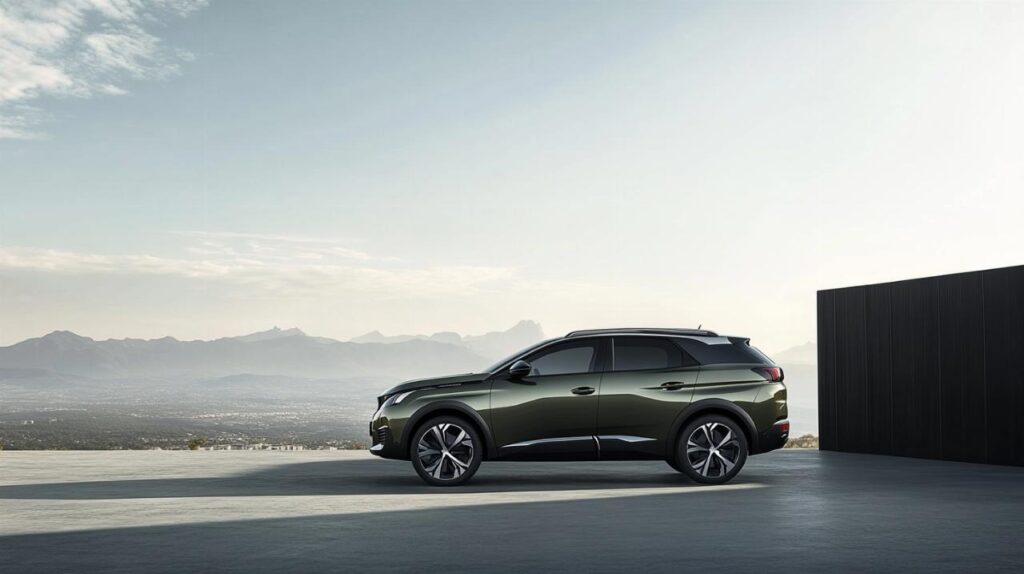
The Peugeot 3008 has firmly established itself as a favourite among drivers seeking a versatile and stylish mid-size SUV. Understanding the precise dimensions of this vehicle is crucial for prospective buyers evaluating practicality, garage compatibility and overall suitability for daily use. From its inception, the 3008 has undergone significant transformations, each generation bringing refinements in size, space and design philosophy. Whether considering the original estate-inspired model or the contemporary SUV iterations, knowing the exact measurements helps clarify what this Peugeot offers in terms of physical presence and internal capacity. This comprehensive guide delves into the dimensional specifics across all model years, including the latest hybrid and electric variants, providing a detailed technical sheet for anyone interested in this popular French auto.
Peugeot 3008 dimensions across model years: a comprehensive technical breakdown
The journey of the Peugeot 3008 through various generations reveals a fascinating evolution in size and purpose. Each iteration has been carefully designed to meet the changing demands of the market, with dimensions playing a pivotal role in defining the character and functionality of the vehicle. From the first generation's more compact estate form to the second generation's bold SUV stance, the 3008 has consistently adapted its physical footprint to enhance both aesthetic appeal and practical utility. Examining these changes year by year provides valuable insight into how Peugeot has refined its approach to creating a car that balances style with substance.
First generation (2009-2016): length, width and boot space specifications
The inaugural generation of the Peugeot 3008, produced between 2009 and 2016, was conceived as an estate with elevated ride height rather than a traditional SUV. This model featured a length that was modest compared to its successors, designed to offer a blend of compactness and practicality. The width of this early version was tailored to provide a comfortable interior without becoming unwieldy in urban environments. Boot space was a strong selling point, with the rear seats folding to accommodate a generous load capacity. The technical sheet for this generation indicated dimensions that prioritised versatility, making it an attractive option for families and individuals alike. The overall height of the vehicle gave it a commanding road presence without straying too far into the bulkier SUV territory. Engine options during this period ranged from efficient diesel BlueHDi units to responsive petrol PureTech variants, though the physical dimensions remained consistent across the range. The first generation's size struck a balance that appealed to a wide audience, offering practicality without sacrificing manoeuvrability. The turning circle was designed to make parking and navigating tight spaces manageable, a consideration that many drivers appreciated. The wheelbase of this model contributed to a stable ride and a surprisingly spacious cabin, ensuring that passengers enjoyed ample legroom and comfort. The boot capacity, measured with the seats upright, provided sufficient room for everyday shopping and luggage, while folding the rear seats dramatically expanded the available space for larger items. The technical specifications from this era highlighted a vehicle that was well-proportioned for its class, offering a blend of functionality and style that resonated with buyers across Europe. The dimension figures from this period reveal a car that was thoughtfully engineered to meet diverse needs, from the daily commute to weekend getaways. The width, while generous enough to ensure interior comfort, was carefully managed to avoid making the car feel cumbersome on narrow roads or in crowded car parks. The height of the vehicle contributed to excellent visibility for the driver, a feature that enhanced confidence and safety on the road. The first generation 3008 established a foundation of practical dimensions that would be built upon in subsequent years, setting the stage for the more dramatic transformation that was to come.
Second Generation (2016-Present): How the SUV Evolved in Size and Practicality
The second generation Peugeot 3008, launched in 2016 and continuing to the present day with various updates, marked a radical departure from its predecessor. This version fully embraced the SUV identity, with dimensions that reflected a bolder and more assertive design philosophy. The length of the second generation model increased significantly, measuring approximately 4542 millimetres, a notable extension that enhanced both road presence and interior space. The width also expanded to around 1895 millimetres without mirrors, and with mirrors extended to 2108 millimetres, providing a more imposing stance and improved shoulder room for occupants. The height of the vehicle was set at approximately 1641 millimetres, giving it a commanding view of the road while maintaining a profile that was not excessively tall. The boot space for this generation was designed to be highly competitive within the mid-size SUV segment, offering between 520 and 588 litres with the rear seats in place, depending on the specific configuration and model year. When the rear seats were folded down, the boot capacity expanded to an impressive 1480 to 1663 litres, making it exceptionally practical for transporting larger items or accommodating the needs of active lifestyles. The wheelbase of the second generation 3008 was extended to 2740 millimetres, contributing to a more spacious cabin and a smoother ride quality. The turning circle remained manageable at approximately 10.6 metres, ensuring that despite the increased size, the vehicle retained a degree of agility suitable for urban driving and parking. The exterior dimensions of this generation were meticulously crafted to create a harmonious balance between style and functionality, with every millimetre contributing to the overall aesthetic and practical appeal of the SUV. The 2024 model year brought further refinements, with the vehicle becoming 95 millimetres longer than the 2021 iteration, demonstrating Peugeot's commitment to continuous improvement and adaptation to customer preferences. The plug-in hybrid version of the second generation 3008 maintained the same boot space of 520 litres, a testament to the efficient packaging of the hybrid powertrain components without compromising cargo capacity. The electric model, known as the E-3008, also offered 520 litres of boot space, ensuring that the transition to electric power did not diminish the practicality that buyers expected from this model. The second generation's dimensions were a key factor in its success, earning it accolades and strong ratings from automotive reviewers and owners alike, with a rating of 4.4 out of 5 from nearly eighty thousand reviews reflecting widespread satisfaction. The technical sheet for this generation highlighted a vehicle that was larger, more spacious and more capable than its predecessor, yet still refined enough to handle the demands of both city and motorway driving. The width of the second generation 3008 provided a solid foundation for a well-proportioned interior, with ample room for five passengers and their belongings. The length of the vehicle allowed for a more generous rear seat area, ensuring that rear passengers enjoyed enhanced comfort on longer journeys. The height of the SUV contributed to excellent headroom throughout the cabin, a feature that was particularly appreciated by taller individuals. The overall dimensions of the second generation 3008 positioned it as a versatile and attractive option within the competitive mid-size SUV market, appealing to buyers who valued space, style and modern design.
Hybrid and Petrol Variants: Dimensional Differences Between PureTech, BlueHDi and EAT Models
The Peugeot 3008 offers a diverse range of powertrains, each catering to different driving preferences and environmental considerations. From traditional petrol and diesel engines to advanced hybrid and fully electric options, the technical specifications and dimensions can vary subtly between variants. Understanding how these different powertrains influence the overall size and internal space of the vehicle is essential for buyers who are weighing up the merits of each option. While the external dimensions largely remain consistent across most variants, the internal packaging and boot capacity can be affected by the presence of additional components such as batteries or hybrid systems. This section explores whether the choice of engine significantly alters the practical dimensions of the 3008 and what buyers can expect from each powertrain configuration.
Does the Hybrid Powertrain Affect Boot Dimensions and Interior Vehicle Space?
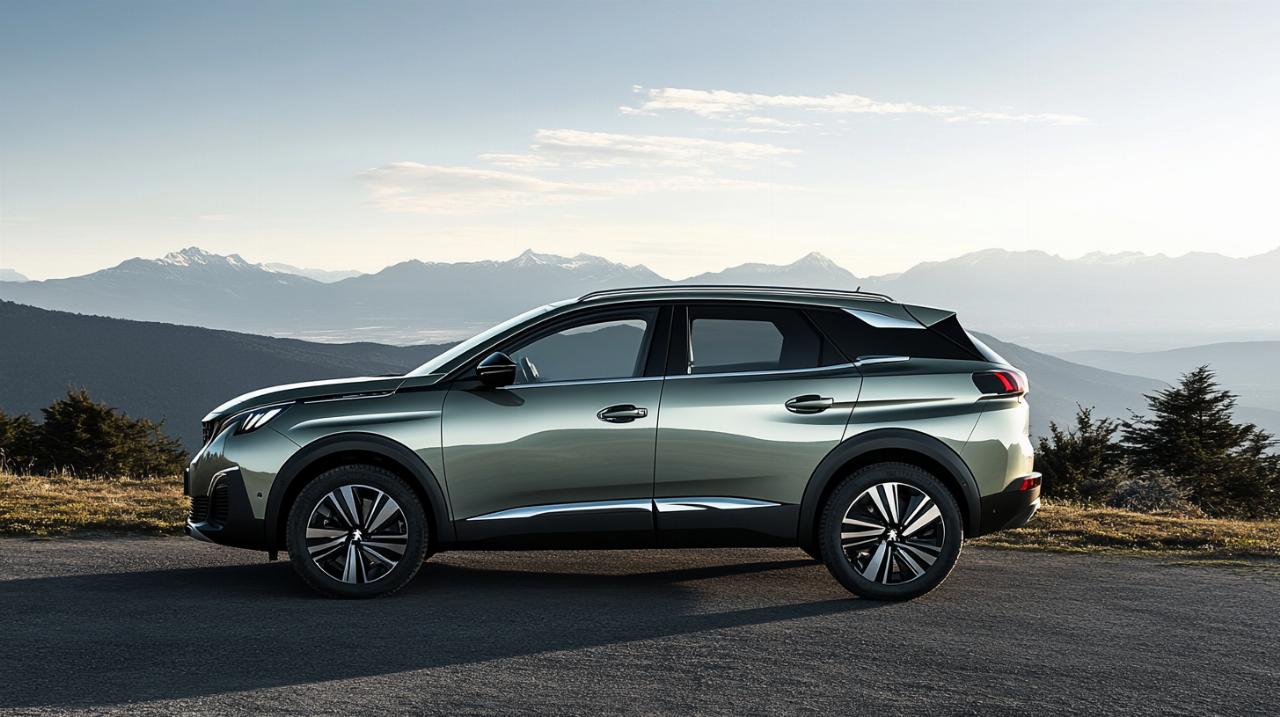
One of the most common concerns when considering a hybrid or plug-in hybrid variant is whether the additional battery and electric motor components compromise the available interior space, particularly the boot capacity. In the case of the Peugeot 3008, the engineering team has worked diligently to minimise any impact on practicality. The plug-in hybrid version, featuring a 1.6-litre hybrid powertrain with 225 brake horsepower and an automatic transmission, maintains a boot space of 520 litres with the rear seats upright. This figure is consistent with the standard petrol and diesel variants, demonstrating that the hybrid system has been integrated without reducing the cargo area. The technical sheet for the plug-in hybrid model confirms that drivers do not need to sacrifice practicality for the benefits of electrified driving. The battery pack is carefully positioned beneath the rear seats and within the chassis, ensuring that the floor of the boot remains flat and unobstructed. This thoughtful packaging means that the hybrid 3008 can carry just as much luggage or shopping as its non-hybrid counterparts, making it a practical choice for families and frequent travellers. The interior vehicle space also remains generous, with the same seating capacity of five and ample legroom for all occupants. The width and length of the cabin are unaffected by the presence of the hybrid powertrain, ensuring that passengers enjoy the same level of comfort regardless of the engine choice. The only notable difference is the slightly higher price associated with the hybrid variants, reflecting the advanced technology and improved fuel economy they offer. The plug-in hybrid model delivers impressive performance, accelerating from 0 to 60 miles per hour in 7.8 seconds, while also offering significantly lower CO2 emissions of between 55 and 57 grams per kilometre, which translates to a reduced first year road tax of just £135 compared to the petrol model's £455. The technical sheet highlights that the hybrid variant combines practicality with environmental benefits, making it an attractive option for eco-conscious drivers. The automatic gearbox in the hybrid model features seven gears, providing smooth and efficient power delivery. The electric model, the E-3008, also maintains a boot space of 520 litres, further reinforcing Peugeot's commitment to ensuring that the transition to electric power does not come at the expense of practicality. The dimensions of the hybrid and electric variants are virtually identical to those of the petrol and diesel models, with the same length, width and height, ensuring a consistent aesthetic and functional profile across the entire 3008 range. The review ratings for the hybrid variants are strong, reflecting customer satisfaction with the balance of performance, efficiency and space. The interior features across all trim levels, from the Allure to the GT Premium, are consistent, ensuring that buyers of hybrid models enjoy the same high level of equipment and comfort. The technical sheet for the hybrid variants confirms that the external dimensions remain at approximately 4542 millimetres in length, 1895 millimetres in width and 1641 millimetres in height, with mirrors extending the width to 2108 millimetres. The wheelbase of 2740 millimetres is also unchanged, ensuring that the cabin space and ride quality are not compromised. The turning circle of 10.6 metres remains the same across all variants, making the hybrid 3008 just as manoeuvrable as its petrol or diesel siblings. The absence of any significant dimensional differences means that buyers can choose a hybrid or electric variant based on their driving preferences and environmental priorities without worrying about sacrificing practicality or space.
Comparing Width and Length Measurements: Diesel BlueHDi vs Petrol PureTech Engines
When comparing the diesel BlueHDi and petrol PureTech variants of the Peugeot 3008, the external dimensions remain remarkably consistent, with no significant differences in length, width or height. Both powertrains are housed within the same body shell, ensuring that the vehicle's physical presence and aesthetic appeal are uniform across the range. The length of approximately 4542 millimetres is shared by both the diesel and petrol models, providing the same road presence and interior space. The width of 1895 millimetres without mirrors and 2108 millimetres with mirrors is also identical, ensuring that the cabin offers the same level of comfort and shoulder room regardless of the engine choice. The height of 1641 millimetres is consistent across both variants, maintaining the commanding driving position and excellent visibility that the 3008 is known for. The wheelbase of 2740 millimetres is unchanged between the diesel and petrol models, contributing to the same stable and comfortable ride quality. The boot space, whether equipped with the BlueHDi diesel or the PureTech petrol engine, ranges from 520 to 588 litres with the rear seats upright and expands to 1480 to 1663 litres with the seats folded, depending on the specific trim level and configuration. The technical sheet for both variants confirms that the practical dimensions are identical, meaning that the choice between diesel and petrol comes down to factors such as fuel economy, performance and personal preference rather than any physical differences in size. The diesel BlueHDi engines are renowned for their efficiency and torque, making them a popular choice for drivers who cover long distances or prefer the pulling power of a diesel. The petrol PureTech engines, on the other hand, offer a quieter and more refined driving experience, with lower emissions and a smoother power delivery that appeals to urban drivers and those who prioritise a more responsive throttle. The 1.2-litre hybrid 145 e-DSC6 variant, which combines a petrol engine with mild hybrid technology, delivers 145 brake horsepower and is paired with an automatic transmission. This model achieves 0 to 60 miles per hour in 10.2 seconds, emits between 122 and 124 grams per kilometre of CO2, and returns a fuel economy of 53 miles per gallon, with a top speed of 125 miles per hour. The first year road tax for this variant is £455, reflecting its petrol-hybrid nature. The plug-in hybrid model, with its 1.6-litre engine and 225 brake horsepower, offers even more impressive performance and lower emissions, as previously discussed. The technical sheet for the diesel and petrol variants reveals that both are fitted with an automatic transmission across most trim levels, ensuring a smooth and convenient driving experience. The front-wheel-drive configuration is standard across all variants, providing predictable handling and good traction in a variety of driving conditions. The turning circle of 10.6 metres is the same for both the diesel and petrol models, making parking and manoeuvring equally straightforward. The insurance groups for the diesel and petrol variants range from 11 to 38 for the 2016 to 2024 models, and from 22 to 33 for the 2024 onwards models, with no significant difference based solely on the choice of fuel type. The road tax for the diesel and petrol variants varies depending on the specific engine and emissions, ranging from £20 to £640, with the diesel models often benefiting from lower annual rates due to their superior fuel economy and reduced CO2 output. The review ratings for both the diesel and petrol variants are consistently high, with the overall 4.4 out of 5 rating from nearly eighty thousand reviews reflecting widespread satisfaction across the range. The recommended retail price for the Peugeot 3008 ranges from £36,805 to £46,245, with Carwow offering competitive pricing from £29,483 for cash purchases or £268 per month for finance options, and used models available from £22,029. The pricing does not vary significantly based on the choice of diesel or petrol, with the main differences being in the running costs and fuel economy over time. The technical sheet for both variants confirms that the dimensions are identical, ensuring that buyers can make their decision based on driving style, environmental concerns and cost considerations rather than any physical differences in the size or space of the vehicle. The width and length measurements are the same across the diesel BlueHDi and petrol PureTech engines, providing a consistent and versatile platform that caters to a wide range of driving needs and preferences.
Why Peugeot 3008 Dimensions Matter: Practical Insights for Buyers and Auto Enthusiasts
The dimensions of the Peugeot 3008 are more than just numbers on a technical sheet; they have real-world implications that affect every aspect of ownership and enjoyment. From determining whether the vehicle will fit comfortably in a garage to assessing whether it offers sufficient boot space for a growing family, the physical measurements of the 3008 play a crucial role in the decision-making process. For auto enthusiasts, understanding the dimensions helps in comparing the 3008 against rivals such as the BYD Atto 3 Evo, Skoda Elroq, Hyundai Tucson, Kia Sportage, Jeep Compass, Volkswagen ID.4, Audi Q4 e-tron, Nissan Ariya and DS DS7, all of which occupy a similar space in the mid-size SUV market. The practical insights gained from a detailed examination of the 3008's dimensions can inform choices about trim levels, engine options and whether the vehicle is the right fit for a particular lifestyle or set of needs.
How the Car's Dimensions Impact Price, Running Costs and Overall Review Ratings
The dimensions of the Peugeot 3008 have a direct influence on its price positioning within the market, as larger vehicles typically command higher prices due to the increased materials and engineering required to produce them. The second generation 3008, with its more substantial length, width and height compared to the first generation, reflects this trend, with recommended retail prices ranging from £37,955 for the Allure trim to £42,685 for the GT Premium trim. Carwow offers these models at reduced prices, starting from £29,483 for the Allure and rising to £33,176 for the GT Premium, demonstrating that competitive pricing is available for those willing to shop around. The larger dimensions of the second generation also contribute to higher running costs, as increased weight and size can impact fuel economy and emissions, although the advanced engine options, including the hybrid and plug-in hybrid variants, help to mitigate these effects. The boot space of between 520 and 588 litres with the rear seats upright is a key selling point, and the ability to expand this to 1480 to 1663 litres with the seats folded adds significant value for buyers who prioritise cargo capacity. The review ratings for the 3008 are exceptionally strong, with an overall score of 4.4 out of 5 from nearly eighty thousand reviews, indicating that the dimensions and overall design of the vehicle meet or exceed the expectations of the majority of owners. The insurance groups for the 3008 range from 11 to 38 for the 2016 to 2024 models, and from 22 to 33 for the 2024 onwards models, with the specific group depending on the trim level, engine choice and model year. The road tax for the 3008 varies widely, from £20 to £640, with the hybrid and electric variants benefiting from significantly lower first year rates due to their reduced CO2 emissions. The dimensions of the 3008 also affect its performance, with the length and wheelbase contributing to a stable and comfortable ride, while the width provides a solid foundation for handling and cornering. The height of the vehicle ensures excellent visibility and a commanding driving position, both of which are highly valued by SUV buyers. The technical sheet for the 3008 confirms that the dimensions are carefully balanced to provide a blend of performance, practicality and style, making it a competitive option in a crowded market. The fuel economy for the 3008 ranges from 36 to 83 miles per gallon for the first generation, 39.6 to 70 miles per gallon for the 2016 to 2024 models, and 48 to 53.3 miles per gallon for the 2024 onwards models, with the diesel variants typically offering the best figures. The emissions range from 97 to 295 grams per kilometre of CO2 for earlier models, with the latest hybrid and electric variants significantly reducing this figure to as low as 55 grams per kilometre for the plug-in hybrid. The dimensions of the 3008 ensure that it offers a spacious and comfortable interior, which is a key factor in the positive review ratings, as buyers appreciate the generous legroom, headroom and boot capacity. The turning circle of 10.6 metres is manageable, making the 3008 practical for urban driving despite its larger size compared to smaller hatchbacks. The wheelbase of 2740 millimetres contributes to a smooth and stable ride, enhancing the overall driving experience and comfort for both driver and passengers. The technical sheet for the 3008 highlights that the dimensions are a crucial aspect of its appeal, offering a combination of size, space and versatility that is well-suited to the needs of modern families and individuals seeking a reliable and stylish SUV. The price of the 3008 reflects its quality and the generous dimensions it offers, with the higher trim levels providing additional features and equipment that justify the increased cost. The running costs are kept in check by the efficient engine options, particularly the hybrid and diesel variants, which offer excellent fuel economy and lower emissions. The overall review ratings confirm that the dimensions of the 3008 contribute to a highly satisfying ownership experience, with the vehicle consistently praised for its practicality, comfort and style.
Technical sheet essentials: what every potential owner should know about this suv's size
For anyone considering the purchase of a Peugeot 3008, the technical sheet provides essential information that goes beyond the simple dimensions of length, width and height. Prospective owners should pay close attention to the boot space, which ranges from 520 to 588 litres with the rear seats in place and expands to 1480 to 1663 litres when the seats are folded, as this will determine whether the vehicle can accommodate their regular cargo needs. The seating capacity of five is standard across all models, making the 3008 suitable for families or individuals who frequently carry passengers. The wheelbase of 2740 millimetres is a critical measurement, as it influences the interior space, ride comfort and handling characteristics of the vehicle. The turning circle of 10.6 metres is an important consideration for those who need to navigate tight urban streets or crowded car parks, as it indicates the vehicle's manoeuvrability. The external dimensions of approximately 4542 millimetres in length, 1895 millimetres in width and 1641 millimetres in height, with mirrors extending the width to 2108 millimetres, provide a clear picture of the vehicle's footprint and whether it will fit in a home garage or parking space. The technical sheet also includes details on the engine options, which range from the 1.2-litre hybrid 145 e-DSC6 with 145 brake horsepower to the 1.6-litre plug-in hybrid with 225 brake horsepower, each offering different performance and efficiency characteristics. The 0 to 60 miles per hour acceleration times vary from 7.8 seconds for the plug-in hybrid to 10.2 seconds for the mild hybrid, providing insight into the vehicle's responsiveness and driving dynamics. The fuel economy figures, ranging from 48 to 53.3 miles per gallon for the latest models, are crucial for buyers who want to minimise running costs and reduce their environmental impact. The CO2 emissions, which range from 55 to 124 grams per kilometre depending on the engine choice, directly affect the first year road tax and the vehicle's environmental credentials. The insurance groups, ranging from 22 to 33 for the 2024 onwards models, will influence the cost of insuring the 3008, with higher groups typically resulting in higher premiums. The technical sheet confirms that all variants come with an automatic transmission and front-wheel drive, ensuring a smooth and convenient driving experience. The top speed ranges from 125 to 137 miles per hour, with the plug-in hybrid offering the highest performance. The number of gears varies from six in the mild hybrid to seven in the plug-in hybrid, contributing to efficient power delivery and fuel economy. The technical sheet also highlights the various trim levels available, from the Allure to the GT Premium, each offering a different level of equipment, features and pricing. The Allure trim starts at an RRP of £37,955 and is available from Carwow at £29,483, providing a well-equipped entry point into the 3008 range. The Allure Premium trim, starting at £38,955 RRP and available from £30,433, adds additional features and refinements. The GT trim, with an RRP of £41,185 and available from £31,601, offers a sportier aesthetic and enhanced equipment. The GT Premium trim, the top of the range, starts at £42,685 RRP and is available from £33,176, providing the highest level of luxury and technology. Each trim level includes a comprehensive list of standard features, covering security, interior, exterior, entertainment, driver convenience and safety, ensuring that buyers are well-informed about what they are getting for their money. The technical sheet is an invaluable resource for potential owners, providing all the key dimensions, performance figures, efficiency data and pricing information needed to make an informed decision about whether the Peugeot 3008 is the right SUV for their needs. The dimensions of the 3008 are a core part of its identity, offering a spacious, practical and stylish package that has earned it strong ratings and widespread acclaim from owners and reviewers alike.