
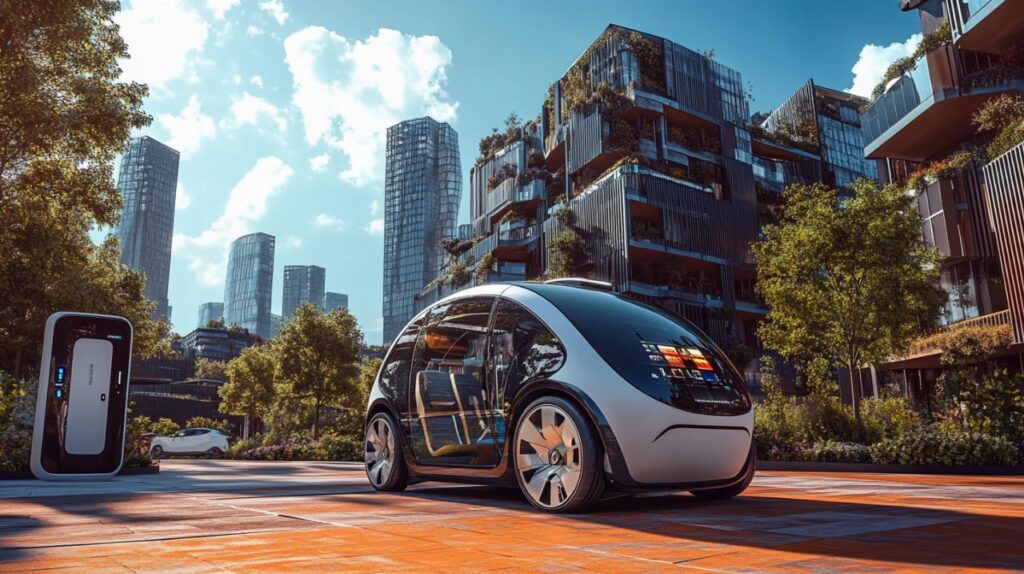
The automotive industry stands on the cusp of a transformative era, where innovation meets environmental responsibility. Across the globe, a quiet revolution is taking place on our roads, driven by the urgent need to address climate change and improve urban air quality. This shift towards cleaner transport solutions is not merely a trend but a fundamental reimagining of how we power our journeys, offering a glimpse into a future where mobility and sustainability are no longer at odds.
Revolutionary battery technology: powering the electric revolution
At the heart of the electric vehicle renaissance lies the relentless pursuit of superior battery performance. Recent strides in electric vehicle technology have fundamentally altered what consumers can expect from their cars, transforming once-niche products into viable alternatives for everyday use. The development of advanced battery systems has become the cornerstone of this transformation, addressing many of the concerns that previously held potential buyers at bay. Engineers and scientists worldwide are working tirelessly to create energy storage solutions that not only match but exceed the convenience offered by traditional combustion engines.
Extended range and rapid charging solutions
One of the most significant barriers to widespread adoption has been the anxiety surrounding how far one can travel before needing to recharge. Modern battery innovations have dramatically extended the distance electric vehicles can cover on a single charge, with efficiency rates reaching impressive levels between sixty and seventy percent compared to the mere twenty percent typical of petrol and diesel engines. This remarkable improvement means that drivers can now undertake longer journeys with confidence, knowing that their vehicle will deliver consistent performance. Furthermore, the introduction of rapid charging technology has revolutionised the refuelling experience, reducing wait times to a fraction of what was previously required. As charging infrastructure continues to expand, particularly in urban centres, the practicality of electric motoring becomes increasingly evident. The development of solid-state batteries promises even greater energy density and faster charging capabilities, heralding a future where topping up your vehicle takes no longer than a brief coffee break.
Enhanced battery longevity and durability
Beyond simply going further and charging faster, contemporary battery research has focused intensely on extending the operational lifespan of these critical components. Traditional concerns about battery degradation and replacement costs are being addressed through innovative materials and manufacturing processes. Companies are pioneering recycling technologies that extract valuable materials such as lithium, cobalt, nickel, and manganese from used batteries, creating closed-loop systems that reduce environmental impact whilst lowering production costs. Tesla's Gigafactory exemplifies this sustainable approach, utilising a vast solar array to power its facilities, thereby minimising the carbon footprint of battery production. Meanwhile, British Lithium has successfully demonstrated small-scale extraction of lithium from granite within the United Kingdom, pointing towards a future where supply chains become more localised and less reliant on distant mining operations. These advances in durability mean that modern electric vehicles not only perform better but also offer lower maintenance costs due to fewer moving parts, making them an increasingly attractive proposition for cost-conscious consumers.
Intelligent Software and Efficient Motor Design: The Future of EV Performance
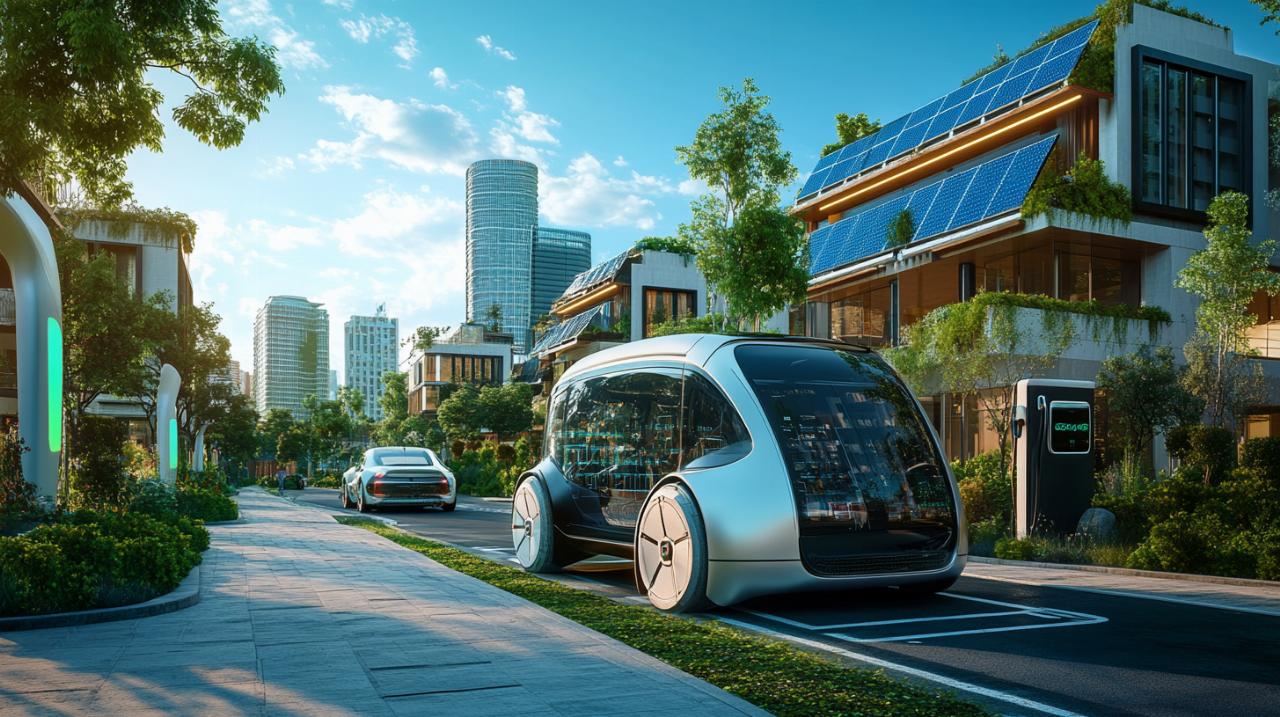
Whilst battery improvements capture much of the public imagination, the sophistication of software systems and motor engineering represents an equally vital component of electric vehicle advancement. The integration of artificial intelligence and smart energy management systems has transformed how vehicles utilise their stored power, optimising every aspect of performance to deliver a superior driving experience whilst maximising efficiency.
Smart systems for optimised energy management
Modern electric vehicles are essentially computers on wheels, equipped with intelligent software that continuously monitors and adjusts energy consumption based on driving conditions, terrain, and user preferences. These sophisticated systems can predict energy requirements for planned journeys, suggest optimal charging times to take advantage of off-peak electricity rates, and even participate in Vehicle-to-Grid schemes that allow cars to return power to the national network during periods of high demand. Such innovations not only enhance the practicality of electric motoring but also contribute to broader energy stability, helping to integrate renewable sources into the grid. The development of wireless charging technology further simplifies the ownership experience, eliminating the need for cumbersome cables and making it easier than ever to keep vehicles topped up. Government incentives, including tax breaks, congestion charge exemptions, and salary sacrifice schemes, have made these technologically advanced vehicles accessible to a wider audience, accelerating the transition away from fossil fuels.
Next-generation electric motors and drivetrain efficiency
The electric motor itself has undergone remarkable refinement, with engineers achieving levels of efficiency that were unimaginable just a decade ago. By reducing friction, optimising magnetic fields, and employing advanced materials, manufacturers have created motors that convert electrical energy into motion with minimal waste. This efficiency translates directly into extended range and improved performance, allowing vehicles to deliver exhilarating acceleration whilst maintaining impressive economy. Models such as the Tesla Model 3, Nissan Leaf, and Fiat 500 exemplify this balance, offering compelling combinations of sustainability, practicality, and driving pleasure. The Fiat 500, in particular, has garnered recognition for its use of recycled plastics and other sustainable materials in its interior, earning accolades from both Auto Express and Marie Claire for its environmental credentials. Meanwhile, vehicles like the Volkswagen ID.4 and Ford Mustang Mach-E demonstrate that high performance and eco-consciousness need not be mutually exclusive. As the United Kingdom government commits substantial funding exceeding two hundred and eleven million pounds to battery research, development, and production, the future of electric motoring looks brighter than ever, promising a world where clean, efficient transport is the norm rather than the exception.