
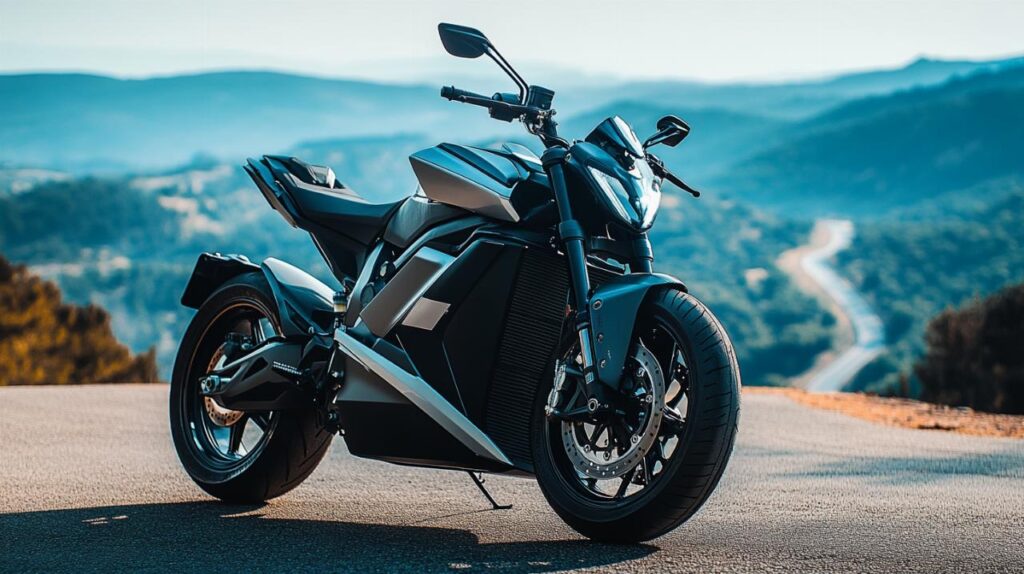
The evolution of electric mountain bikes continues to transform how cyclists approach off-road adventures, blending traditional pedalling with motor assistance to conquer challenging terrain. Among the latest offerings in this rapidly expanding market, the E-Cliff 700 emerges as an intriguing proposition for riders seeking accessible electric mountain biking without breaking the bank. This aluminium-framed e-MTB combines practical design choices with functional components, aiming to deliver a balanced riding experience across varied landscapes. Understanding its technical makeup and real-world performance helps potential buyers determine whether this model aligns with their cycling aspirations and budgetary considerations.
E-cliff 700 technical specifications and frame construction analysis
Aluminium frame design and geometry features
The foundation of any mountain bike lies in its frame construction, and the E-Cliff 700 opts for aluminium as its primary material. This choice represents a time-tested approach in bicycle manufacturing, offering a favourable balance between structural integrity and manageable weight. Aluminium frames have long been appreciated for their ability to withstand the rigours of trail riding whilst remaining lighter than steel alternatives, though they typically carry more mass than carbon fibre counterparts. The geometry of the E-Cliff 700 reflects design principles aimed at stability during descents and confidence when navigating uneven surfaces. The frame's dimensions and angles work together to create a riding position that accommodates both leisurely exploration and more spirited trail sessions. Manufacturers carefully calculate these geometric relationships to ensure that weight distribution facilitates predictable handling characteristics, particularly important when additional motor and battery weight factors into the overall equation. The welding quality and tube shaping also play crucial roles in determining how the frame responds to the forces encountered during off-road cycling, with well-executed joints contributing to longevity and consistent performance over time.
Component breakdown: fork, braking system, and shimano altus drivetrain
Beyond the frame itself, the E-Cliff 700 incorporates several key components that define its functional capabilities. The suspension fork mounted at the front serves as the primary shock absorption system, cushioning impacts from rocks, roots, and irregular terrain features. This element significantly influences rider comfort and control, particularly during extended trail sessions where accumulated vibrations might otherwise cause fatigue. The fork's travel distance and damping characteristics determine how effectively it manages sudden impacts versus gradual compressions. Braking duties fall to a disc-based system, which has become standard across modern mountain bikes due to superior stopping power and consistent performance in wet or muddy conditions. The reliability of these brakes proves essential when navigating steep descents or when quick reactions become necessary to avoid obstacles. The drivetrain employs Shimano Altus components, representing a practical choice for this category of e-mountain bike. Shimano Altus sits within the manufacturer's range as a dependable groupset offering sufficient gear ratios for varied terrain without the premium pricing associated with higher-tier options. The gear ratios provided by this system allow riders to maintain comfortable cadences whether climbing gradual inclines or accelerating on flatter sections, though the range might prove limiting for extremely steep ascents or technical climbs where lower gearing becomes advantageous.
Performance testing and real-world riding experience
Motor power delivery and battery autonomy across assistance levels
The electric propulsion system distinguishes the E-Cliff 700 from conventional mountain bikes, fundamentally altering the riding experience through power assistance. The motor integrated into this model delivers its support through multiple assistance levels, allowing riders to adjust the degree of electrical help according to terrain demands and desired effort levels. Lower assistance settings provide gentle augmentation that extends battery life whilst still reducing the physical demands of cycling, making lengthy rides more accessible to riders of varying fitness levels. Higher assistance modes deliver more substantial power contributions, effectively flattening climbs and accelerating the bike with noticeably less rider input. This graduated approach to assistance enables cyclists to tailor their experience, perhaps conserving battery during easier sections whilst calling upon maximum support when facing particularly challenging gradients. Battery autonomy remains a critical consideration for any electric bicycle, as it directly determines the practical range achievable during a single outing. The E-Cliff 700's battery capacity intersects with terrain characteristics, rider weight, assistance level selection, and environmental factors to produce variable range outcomes. Riders employing maximum assistance continuously across hilly terrain will naturally deplete the battery more rapidly than those using minimal support on relatively flat routes. Understanding these dynamics helps cyclists plan appropriate ride lengths and develop strategies for managing battery resources during longer adventures.
Weight distribution, handling characteristics, and gear ratio performance
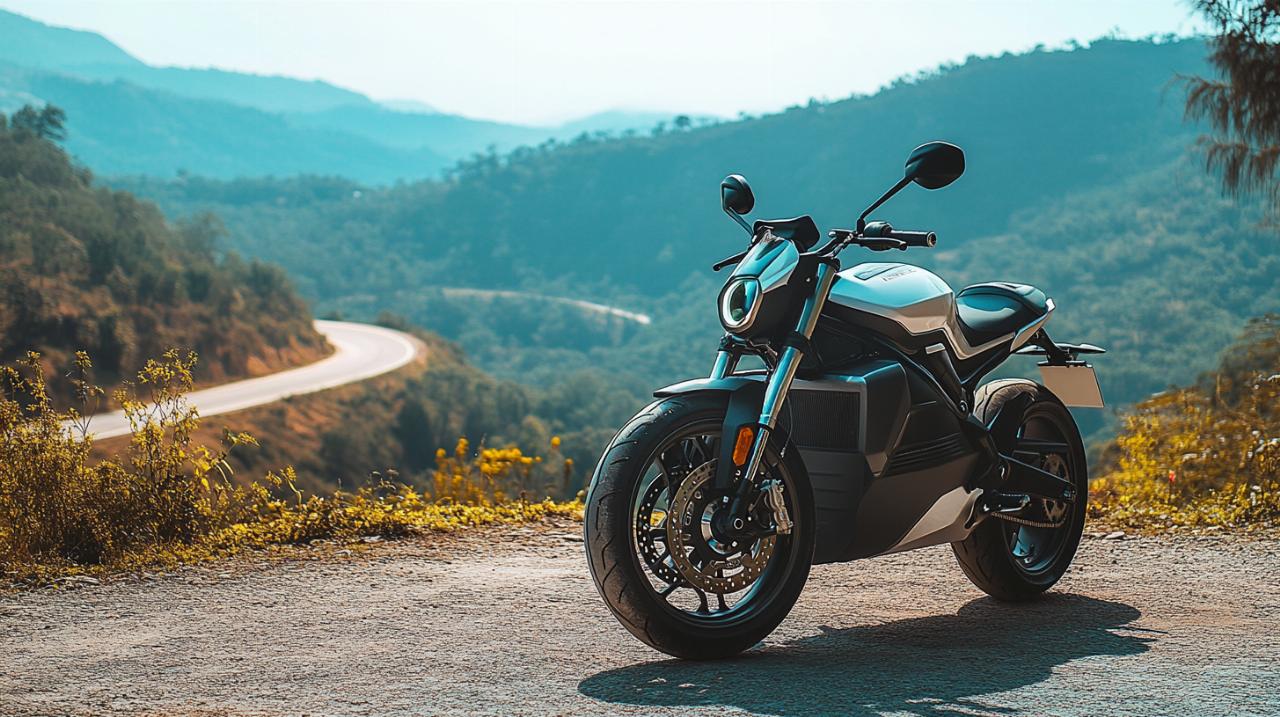
The addition of motor and battery systems inevitably increases overall bicycle mass compared to non-assisted equivalents, creating distinct handling characteristics that riders must adapt to. The E-Cliff 700's weight distribution affects how the bike responds to steering inputs and maintains balance through technical sections. A well-executed layout positions these heavier components low and centrally within the frame, helping preserve agile handling despite the added mass. This becomes particularly noticeable during tight turns or when manoeuvring around obstacles at slower speeds, where the bike's centre of gravity significantly influences ease of control. The increased weight also impacts momentum during riding, with the heavier machine requiring more initial effort to accelerate from a standstill but then maintaining speed more readily once in motion. Descending takes on different qualities as well, with the additional mass contributing to stability at higher speeds whilst demanding more attention to braking distances. The Shimano Altus drivetrain's gear ratios interact with the motor assistance to create the overall pedalling experience. The spread of gears available must accommodate both assisted and unassisted riding, as battery depletion or deliberate choice to ride without power support requires the mechanical gearing alone to suffice. The ratios selected for the E-Cliff 700 aim to cover typical mountain biking scenarios, though individual riders might find certain situations where slightly lower or higher gearing would better suit their preferences or local terrain characteristics.
Practical Considerations for Cyclists and Value Assessment
Suitable use cases, available size options, and accessory compatibility
Determining whether the E-Cliff 700 suits a particular cyclist's needs requires honest assessment of intended use patterns and riding environments. This e-mountain bike appears most appropriate for recreational trail riding, forest path exploration, and moderate off-road adventures rather than aggressive downhill racing or extreme technical challenges. Riders seeking an accessible entry point into electric mountain biking or those wanting assistance for fitness-building rides without excessive physical strain will likely find this model well-aligned with their objectives. The bike's capabilities support regular exercise routines, weekend trail excursions, and perhaps commuting via unpaved routes where its rugged construction proves advantageous. Frame size selection significantly impacts comfort and control, making it essential that prospective buyers identify which size option best matches their physical dimensions. Properly fitted bicycles reduce fatigue, improve handling precision, and minimize injury risk by promoting natural body positions during riding. The available size range for the E-Cliff 700 should accommodate a broad spectrum of rider heights, though individuals at the extreme ends of the sizing spectrum might need to carefully verify fitment. Accessory compatibility extends the bike's functionality beyond its baseline configuration. Mounting points for racks enable load-carrying for bikepacking adventures or practical errands, whilst mudguard attachments prove valuable for riding in wet conditions. The ability to add bottle cages ensures adequate hydration during longer rides, and compatibility with various lighting systems enhances safety during dawn, dusk, or night-time cycling.
Price Positioning and Overall Worth for E-MTB Enthusiasts
The financial investment required for any bicycle purchase warrants careful consideration, particularly within the electric bike category where prices span considerable ranges. The E-Cliff 700 positions itself within the more accessible segment of the e-mountain bike market, reflected in its promotional pricing structure that brings the cost down to five hundred and ninety-nine pounds from its original nine hundred and ninety-nine pound valuation. This pricing strategy makes electric mountain biking considerably more attainable for budget-conscious cyclists who might otherwise find premium e-MTB models financially prohibitive. Payment flexibility through options including Mastercard, Visa, Apple Pay, American Express, and Klarna facilitates purchase completion according to individual financial preferences. The warranty coverage provided offers reassurance regarding the longevity of critical components, with a one-year protection period encompassing the frame, battery, motor, and electronics. This warranty structure acknowledges that these elements represent both the most expensive components and those most likely to require manufacturer support if defects emerge. Delivery arrangements for Belgium include a forty-nine euro charge with an estimated timeframe of two to eight working days, whilst bikes arrive ninety-nine percent assembled, requiring only pedal attachment and handlebar adjustment before riding. The inspection protocol that examines over twenty points before dispatch, including battery replacement if capacity proves insufficient, demonstrates quality control efforts that add value beyond the base purchase price. Return policies permitting bicycle returns within fourteen days, subject to conditions including less than fifty kilometres of use and maintenance of original condition, provide a safety net for buyers uncertain about their selection, though the sixty-nine euro return shipping cost encourages confident decision-making before purchase completion.