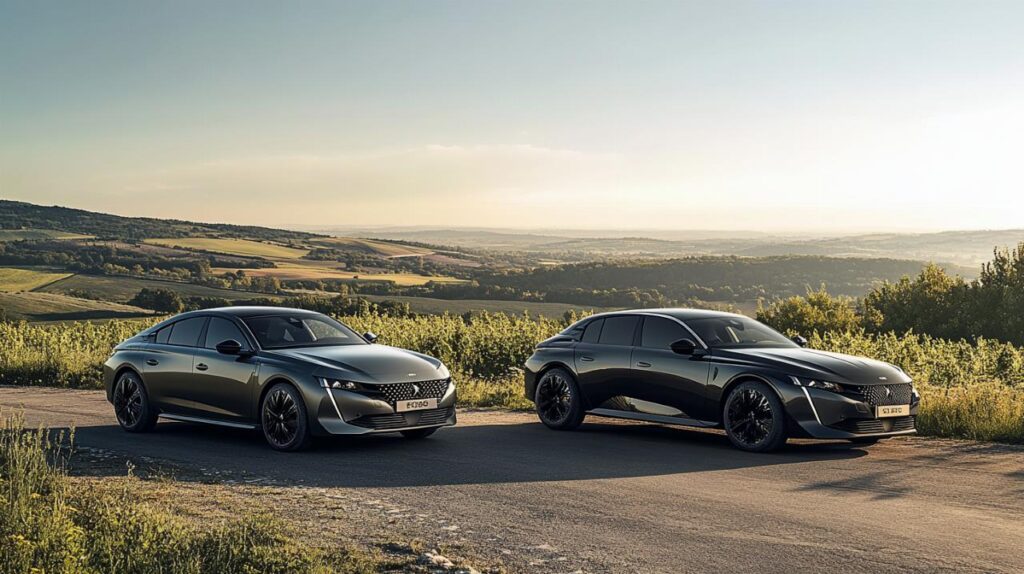
The automotive landscape has evolved remarkably in recent years, with manufacturers exploring diverse interpretations of what constitutes a premium driving experience. Within the Stellantis portfolio, two models emerge as fascinating counterpoints in this debate: the Peugeot 508 PSE and the DS 9 E-Tense 360 hp 4×4. Both vehicles share identical powertrain specifications yet articulate profoundly different visions of luxury and performance. A detailed video comparison between these siblings reveals not merely technical distinctions but fundamentally contrasting philosophies about what discerning drivers seek when they invest in high-end motoring.
Performance Credentials: Analysing the 360 hp Plug-in Hybrid Powertrains
At the heart of both the Peugeot 508 PSE and the DS 9 E-Tense 4×4 lies an impressive plug-in hybrid powertrain delivering 360 horsepower. This sophisticated assembly combines a petrol engine with dual electric motors, creating a four-wheel-drive system that promises both exhilarating acceleration and improved traction across varied driving conditions. The engineering behind this configuration represents a significant achievement for Stellantis, demonstrating that electrification need not compromise performance. Instead, the integration of electric propulsion enhances responsiveness whilst reducing emissions during urban journeys. The seamless coordination between combustion and electric power sources ensures drivers experience immediate torque delivery, transforming everyday commutes into occasions for quiet satisfaction.
Peugeot 508 pse: sporting dynamics and driver engagement
The Peugeot 508 PSE channels its considerable power through a chassis calibrated explicitly for spirited driving. Every element of this vehicle speaks to enthusiasts who value precision and involvement behind the wheel. The suspension setup strikes a deliberate balance, firm enough to communicate road surface details yet compliant enough to avoid harshness during extended journeys. Steering response exhibits directness that encourages commitment through challenging corners, whilst the torque distribution between axles adjusts rapidly to optimise grip and stability. This emphasis on driver engagement extends to the interior, where supportive seating and intuitive control placement reinforce the sporting character. Peugeot's interpretation of premium motoring clearly prioritises the visceral connection between machine and operator, creating an experience that rewards active participation rather than passive observation.
Ds 9 e-tense 4×4: refined comfort and executive presence
By contrast, the DS 9 E-Tense 4×4 employs identical mechanical components to pursue an altogether different objective. Here, the emphasis shifts decisively towards comfort, refinement, and executive poise. The suspension tuning favours compliance over communication, isolating occupants from irregularities whilst maintaining composed body control. Interior appointments lean heavily towards plush materials and generous space, particularly for rear passengers who might include business associates or family members expecting first-class treatment. Sound insulation receives particular attention, creating a serene cabin environment that transforms travel into relaxation rather than stimulation. Where the Peugeot celebrates engagement, the DS prioritises tranquillity, reflecting traditional expectations of luxury saloons that serve as mobile sanctuaries from daily demands.
Stellantis' dual vision: diverging approaches to premium motoring
The coexistence of these contrasting models within a single corporate structure illustrates Stellantis' recognition that premium buyers constitute no monolithic group. Some seek emotional engagement and sporting prowess, whilst others prioritise serenity and status. By developing parallel products addressing these distinct preferences, the manufacturer avoids internal competition whilst maximising market coverage. This strategy acknowledges that premium positioning depends not solely upon price or specification but upon delivering experiences aligned with customer aspirations. The video comparison underscores this strategic divergence, revealing how identical foundations support radically different superstructures shaped by brand identity and target demographics.
Design language and interior philosophy compared
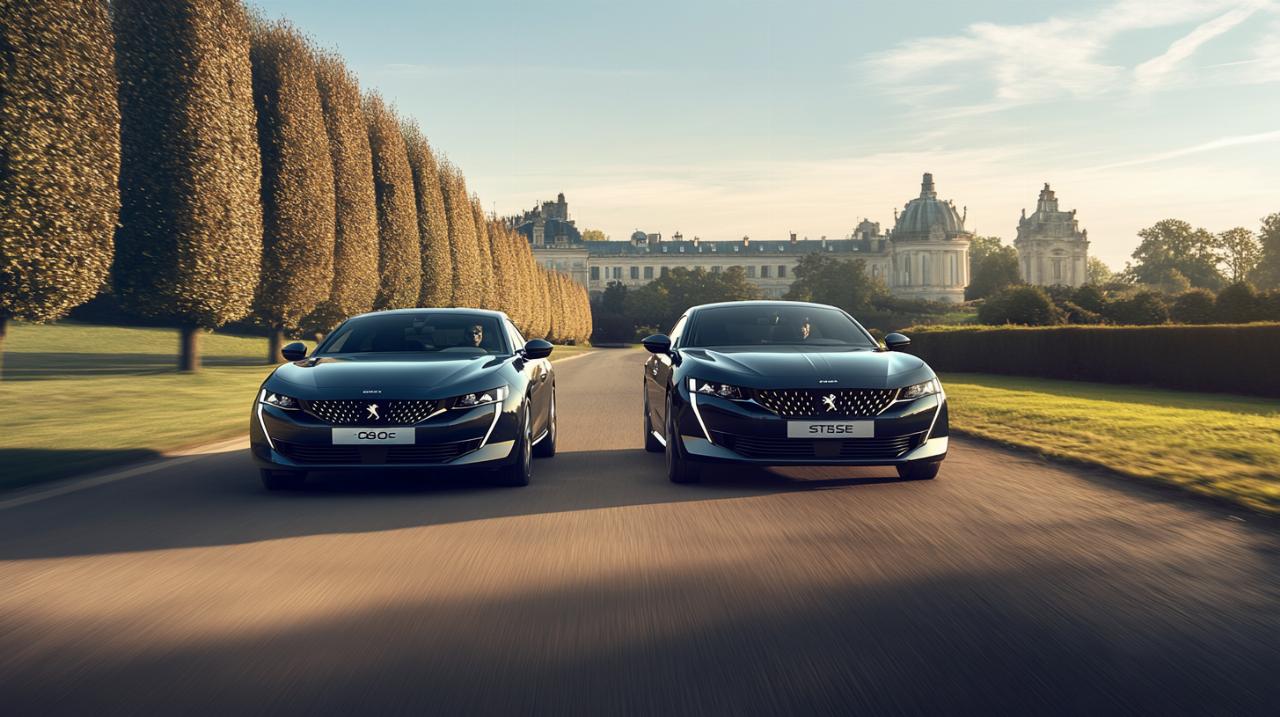
Visual distinctions between the two vehicles communicate their philosophical differences immediately. The Peugeot 508 PSE adopts aggressive styling cues including prominent air intakes, lowered stance, and distinctive badging that signals performance intent. Inside, the presentation favours driver orientation with controls angled towards the person behind the wheel, emphasising the sporting mission. Conversely, the DS 9 E-Tense showcases elegant proportions with smoother surfacing and chrome embellishments that evoke classic luxury saloons. Its cabin prioritises symmetry and spaciousness, with equal consideration given to all occupants rather than focusing solely on driver needs. These aesthetic choices extend beyond mere appearance, reinforcing the fundamental character each vehicle seeks to project and the emotional responses manufacturers hope to evoke.
Technology integration and user experience differences
Both models incorporate advanced technology, yet deployment priorities differ significantly. The Peugeot emphasises performance-oriented systems including customisable drive modes, detailed telemetry displays, and dynamic chassis controls that allow enthusiasts to tailor behaviour precisely. Digital interfaces present information with clarity and immediacy, supporting active driving rather than passive consumption. Meanwhile, the DS focuses technology on convenience and comfort features such as sophisticated climate control, premium audio systems, and passenger entertainment options. Information presentation adopts a more restrained aesthetic, avoiding visual clutter whilst maintaining elegance. These divergent approaches to technology integration reflect broader philosophical differences about what constitutes value within the premium segment and how digital systems should enhance rather than dominate the driving experience.
Environmental considerations: sustainability within the premium segment
Beyond performance and luxury credentials, both vehicles operate within increasingly stringent environmental frameworks that shape automotive development. The plug-in hybrid configuration represents a transitional technology, offering reduced emissions compared to conventional powertrains whilst providing greater flexibility than pure electric vehicles for customers concerned about charging infrastructure. This compromise appeals particularly to premium buyers who may undertake longer journeys where purely electric propulsion remains challenging. However, the environmental equation extends beyond operational emissions to encompass manufacturing impacts, resource consumption, and end-of-life considerations that demand comprehensive assessment.
Assessing the Ecological Footprint of High-Performance Hybrids
The complexity of plug-in hybrid systems introduces environmental trade-offs that merit careful examination. Battery production requires significant energy and raw materials including lithium and cobalt, raising questions about supply chain sustainability and resource depletion. Manufacturing processes for sophisticated powertrains consume more energy than simpler alternatives, potentially offsetting some operational advantages if vehicles predominantly operate in petrol mode. Real-world emissions depend heavily upon charging behaviour and journey patterns, with some studies suggesting that inadequate charging discipline can negate theoretical environmental benefits. For premium models emphasising performance, the temptation to exploit full power may further compromise efficiency gains. These complexities underscore that environmental credentials depend not merely upon technological specifications but upon usage patterns and broader system considerations that extend beyond individual vehicle performance.
Automotive recycling and end-of-life vehicle management
As the automotive industry confronts sustainability imperatives, end-of-life considerations gain prominence within environmental assessments. Both the Peugeot 508 PSE and DS 9 E-Tense incorporate materials and components requiring careful disposal or recovery when vehicles reach retirement. Battery packs present particular challenges, demanding specialised recycling processes to recover valuable materials whilst managing hazardous substances safely. Aluminium and composite materials employed for weight reduction offer recycling potential yet require energy-intensive reprocessing. Manufacturers increasingly design vehicles with disassembly and material recovery in mind, establishing collection networks and partnerships with recycling specialists. These efforts reflect growing recognition that sustainability encompasses entire product lifecycles rather than isolated operational phases. For premium brands positioning themselves as responsible corporate citizens, transparent communication about recycling initiatives and circular economy participation becomes integral to maintaining credibility with environmentally conscious consumers who expect leadership on these critical issues affecting future generations.