
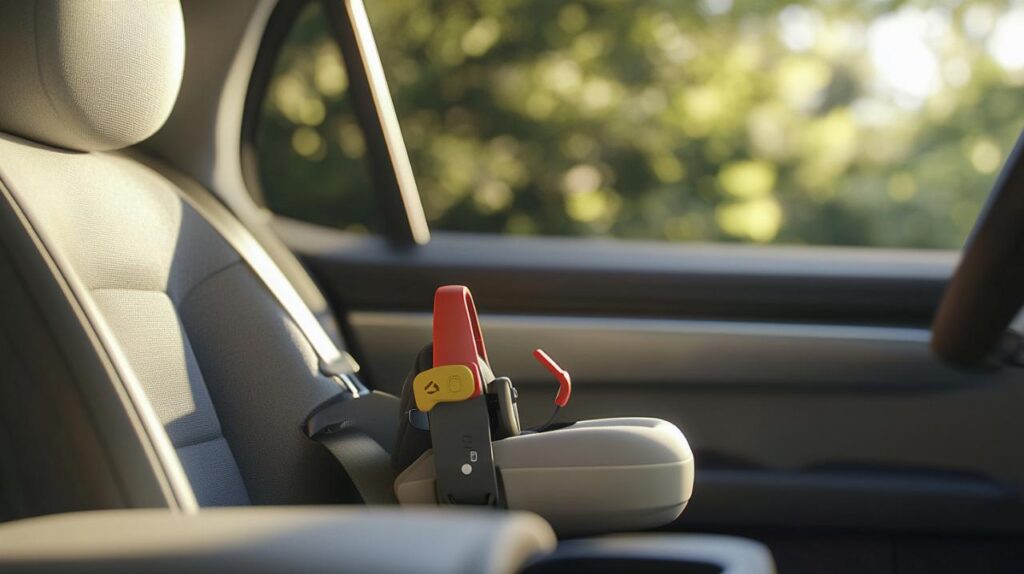
Keeping your little ones safe whilst travelling remains one of the most important responsibilities for any parent or guardian in the United Kingdom. With constantly evolving safety regulations and an ever-expanding range of child restraint systems available today, selecting the appropriate equipment can feel somewhat overwhelming. This comprehensive resource explores everything you need to know about purchasing child seat belt adapters, understanding ISOFIX systems, and ensuring proper installation in your vehicle to protect precious young passengers on every journey.
Understanding child seat belt adapters and isofix systems
When it comes to securing children safely in vehicles, two primary methods exist for installation: traditional seat belt fitting and the more modern ISOFIX system. The landscape of child car seat regulations has evolved significantly in recent years, with the older ECE R44 standard based on weight gradually being replaced by the newer ECE R129 regulation, commonly known as i-Size, which determines appropriate restraints according to height. This shift reflects advances in understanding how best to protect children during travel, particularly the requirement for rear-facing seats until at least fifteen months of age under the i-Size regulations. Understanding these distinctions helps parents make informed decisions when selecting restraint systems and any necessary adapters for their specific vehicle and child's needs.
What Makes ISOFIX the Gold Standard for Child Restraint Systems
The ISOFIX system has revolutionised how child car seats attach to vehicles, offering a standardised fitting method that reduces installation errors and provides enhanced security. Rather than relying on the vehicle's seat belt to secure the child restraint, ISOFIX utilises dedicated anchor points built directly into the car's structure. These metal loops are typically located between the vehicle seat cushion and backrest, creating a rigid connection between the child seat and the vehicle frame itself. When properly engaged, ISOFIX connectors produce an audible click or display a visual green indicator confirming secure attachment. Most ISOFIX restraints also incorporate either a top tether strap that connects to a designated anchor point behind the seat or a support leg that extends to the vehicle floor, preventing the seat from rotating forward during sudden deceleration. This dual-point or triple-point connection dramatically improves stability compared to seat belt installations, whilst the standardised nature of ISOFIX points means compatible seats fit correctly in approved vehicles without complicated threading of belts through various guides. Parents considering ISOFIX systems should consult their vehicle handbook to locate these anchor points and verify compatibility with specific child seat models, as manufacturers maintain comprehensive lists of approved combinations to ensure optimal safety performance.
Choosing between universal and vehicle-specific adapters
The market offers two broad categories of child seat belt adapters and restraint systems: universal options designed to work across multiple vehicles and vehicle-specific models engineered for particular makes or models. Universal seats fitted with traditional seat belts can theoretically install in any vehicle equipped with three-point seat belts, provided the seat belt routing follows manufacturer instructions with correct use of colour-coded guides. Blue guides typically indicate proper routing for rear-facing installations under the older R44 regulations, whilst red guides show forward-facing configurations, and newer i-Size seats feature green guides for clearer identification. Despite their versatility, universal seats require meticulous attention to fitting guidelines, including ensuring the seat belt passes through designated slots, achieving proper tension by pressing body weight into the seat during installation, and engaging any lock-off devices to prevent the belt from loosening over time. Vehicle-specific adapters and ISOFIX seats, conversely, are designed with particular vehicle models in mind, often providing superior fit and simplified installation procedures. Before purchasing any restraint system, parents should verify compatibility through manufacturer resources or dedicated fitting databases available online, as even i-Size seats that theoretically fit any i-Size approved vehicle may have specific requirements or restrictions based on vehicle design and anchor point locations.
Where to Purchase Quality Child Seat Belt Adapters in the UK
Locating reputable retailers that stock certified child restraint systems and associated adapters requires careful consideration of both convenience and safety assurance. The United Kingdom market offers numerous purchasing channels, from traditional brick-and-mortar shops where staff can provide hands-on guidance to extensive online marketplaces that present a vast selection with the convenience of home delivery. Regardless of the chosen shopping method, prioritising products that meet current safety regulations and come from established manufacturers remains paramount, as the consequences of substandard equipment are simply too severe to risk for the sake of minor savings or convenience.
Navigating online retailers like amazon for safe adapter options
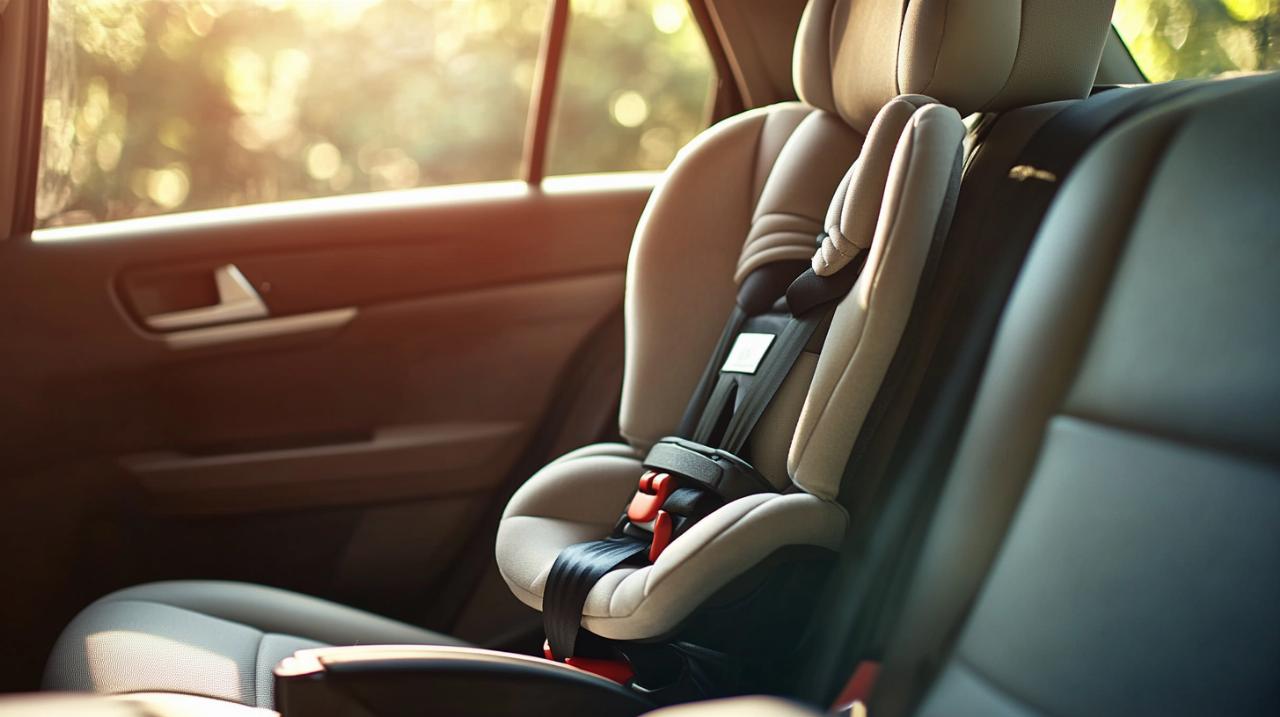
Major online platforms such as Amazon have become popular destinations for purchasing child car seats and related accessories, offering extensive product ranges, competitive pricing, and the convenience of browsing from home. When shopping through these digital marketplaces, parents must exercise particular diligence to ensure selected products comply with UK safety standards. Legitimate child restraints sold in the United Kingdom should display compliance with either ECE R44 or ECE R129 regulations, with clear labelling indicating which standard the seat meets. Product listings should provide detailed specifications including weight or height ranges, installation methods, and compatibility information. Whilst online shopping offers convenience, the inability to physically inspect products before purchase means relying heavily on product descriptions, images, and manufacturer information. Reputable sellers typically provide comprehensive details about fitting methods, including whether the seat uses ISOFIX connections, traditional seat belt installation, or both options. Many manufacturers also maintain official stores or approved seller lists on their websites, helping consumers identify authorised retailers who stock genuine products rather than potentially counterfeit or non-compliant alternatives that occasionally appear on large marketplaces.
Evaluating safety certifications and customer reviews before buying
Beyond simply identifying products that claim regulatory compliance, discerning buyers should investigate the depth of safety testing and real-world performance before committing to a purchase. Customer reviews provide invaluable insights into practical aspects of ownership, including installation ease, durability over time, and how well seats accommodate growing children. However, reviews should be read critically, as individual experiences vary based on vehicle type, user error, and specific use cases. Look for patterns in feedback rather than isolated complaints, paying particular attention to comments regarding fitting difficulties, quality of materials, and customer service responsiveness should issues arise. Safety certifications extend beyond basic regulatory compliance, with some seats undergoing additional independent testing by organisations that evaluate crash performance under various scenarios. Parents should also verify that any second-hand seats they consider have not been involved in accidents, have not exceeded manufacturer expiry dates, and come with original instructions and all necessary components. Generally, safety experts discourage purchasing used restraints due to unknown history and potential unseen damage, making new purchases from verified retailers the safest option despite higher costs. Labels affixed to the side of child car seats display crucial information about proper fitting orientation and regulatory compliance, providing a quick reference that should be checked against manufacturer instructions before installation.
Proper Installation and Safety Checks for Your Child's Protection
Even the highest-quality child restraint system provides inadequate protection if installed incorrectly, making proper fitting absolutely essential for safeguarding young passengers. Studies consistently show that a significant proportion of child seats are fitted improperly, compromising their effectiveness during collisions. Taking time to understand correct installation procedures, following manufacturer instructions meticulously, and conducting regular checks to ensure the seat remains secure can make the difference between a restraint system that performs as designed and one that fails when needed most.
Step-by-step fitting instructions for isofix adapters
Installing an ISOFIX child seat begins with locating the anchor points in your vehicle, which are typically found in the rear seats between the cushion and backrest, sometimes marked with labels or visible metal loops. Your vehicle handbook provides specific information about ISOFIX point locations if they are not immediately apparent. Before attempting installation, confirm that the particular ISOFIX seat is approved for your vehicle model by consulting compatibility lists from either the seat manufacturer or vehicle maker. Once compatibility is verified, position the child seat on the vehicle seat with the ISOFIX connectors aligned with the anchor points. Firmly push the connectors into the ISOFIX slots until you hear a distinctive click or observe a green indicator showing secure engagement, depending on your seat's design. If the restraint incorporates a top tether strap, locate the corresponding anchor point in your vehicle, which may be positioned behind the rear seat, on the vehicle floor, or on the rear parcel shelf, then connect the tether and adjust tension according to manufacturer specifications. Alternatively, if your seat uses a support leg, extend it to the vehicle floor ensuring it does not rest over any underfloor storage compartments that could collapse during impact, then adjust the leg to the correct length so the seat sits firmly without excessive movement. After completing these steps, test the installation by attempting to move the seat side-to-side and front-to-back; properly installed ISOFIX seats should exhibit minimal movement, generally no more than a couple of centimetres in any direction. Always retain the fitting instructions within the vehicle for future reference and whenever the seat is removed and reinstalled.
Common Installation Mistakes to Avoid in Your Vehicle
Despite seeming straightforward, child seat installation presents numerous opportunities for errors that compromise safety. One frequent mistake involves incorrect seat belt routing when using traditional belt installations, such as threading the belt through inappropriate guides or failing to use colour-coded slots that indicate proper paths for rear-facing versus forward-facing orientations. Another common error is insufficient belt tension, which occurs when installers fail to press their body weight into the seat whilst pulling the belt tight, resulting in excessive movement that reduces restraint effectiveness during sudden stops or collisions. The phenomenon known as buckle crunch presents another hazard, occurring when the seat belt buckle rests directly on the child seat frame, potentially causing the buckle to fail under impact forces. Installers must ensure the buckle sits away from the frame, sometimes requiring adjustment of belt length or seat position. Lock-off devices included with many child seats serve a critical function by preventing seat belts from loosening over time due to vibration and normal use, yet these devices are frequently overlooked or improperly engaged. Regarding ISOFIX installations, improper connector engagement represents a significant risk, with some parents mistaking partial connection for full engagement; visual and audible confirmation indicators should always be checked rather than assumed. Positioning considerations also matter considerably, particularly the dangers of placing rear-facing infant carriers in front passenger seats equipped with active airbags, which can cause catastrophic injury during deployment. If forward-facing seats must be installed in front passenger positions, the car seat should be pushed as far rearward as possible to maximise distance from the dashboard and any airbags. Regular inspection of installed seats remains important even after initial fitting, as normal vehicle use can cause connections to loosen or shift, particularly with seats that remain installed between uses. Parents uncertain about installation quality should seek professional fitting checks or consult manufacturer resources including online fitting videos that demonstrate proper techniques specific to their seat model. Never modify either the child restraint or vehicle seat belts in attempts to improve fit, as such alterations can void safety certifications and create unpredictable failure modes during accidents.